Stress Hormone Rapidly Signals Brain Cells to Repair After Injury Scientists show that the stress hormone CRH released by precursor cells can guide myelin repair after brain injury, hinting at new treatments.
A recent study in mice shows that the stress hormone corticotropin‑releasing hormone (CRH) is released by oligodendrocyte precursor cells right at the site of brain damage. The hormone signals those cells to mature faster and rebuild the myelin sheath that insulates neurons. Researchers used fluorescent imaging to track CRH…

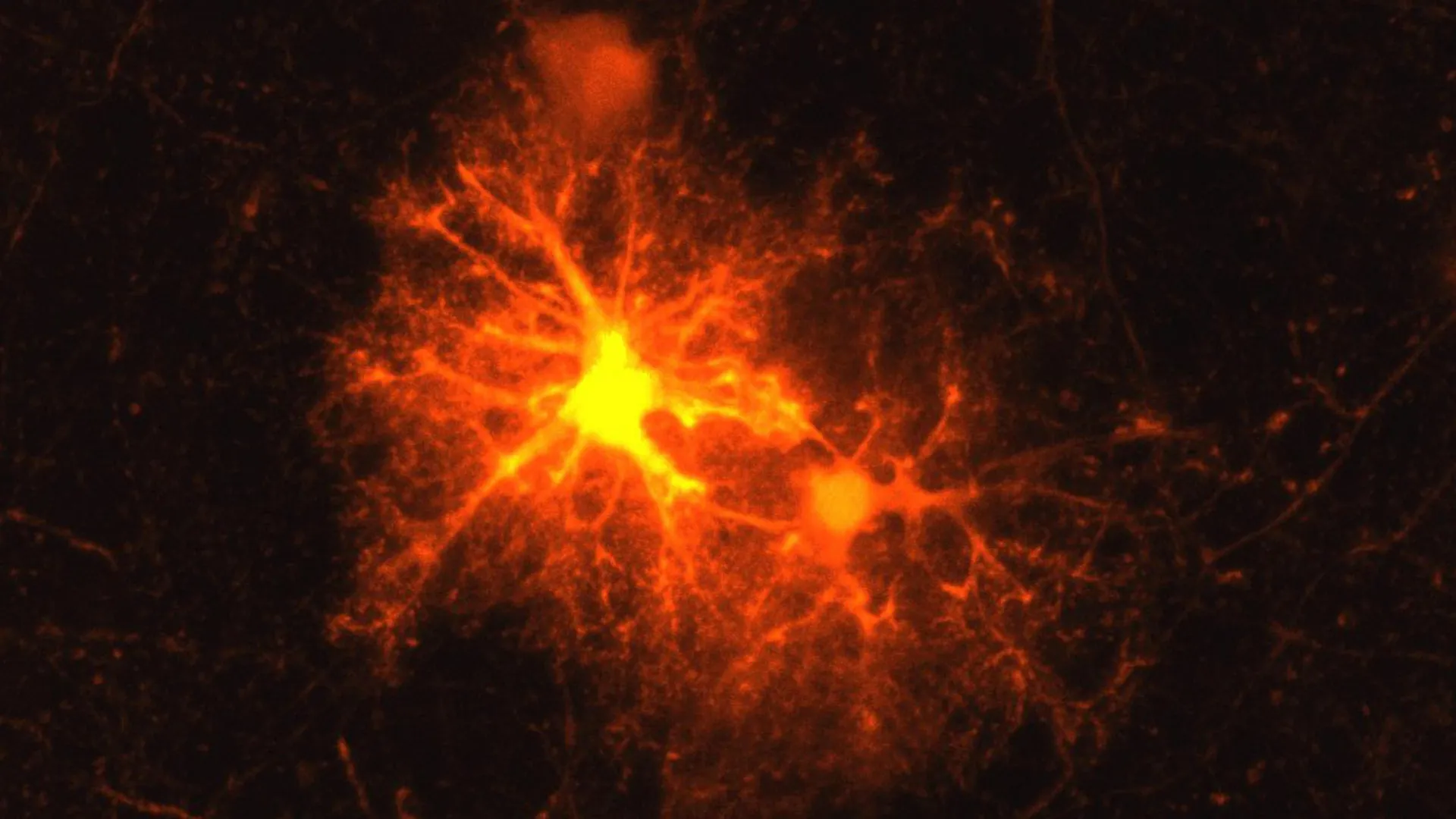
Stress Hormone Rapidly Signals Brain Cells to Repair After Injury Scientists show that the stress hormone CRH released by precursor cells can guide myelin repair after brain injury, hinting at new treatments. A recent study in mice shows that the stress hormone corticotropin‑releasing hormone (CRH) is released by oligodendrocyte precursor cells right at the site of brain damage.
The hormone signals those cells to mature faster and rebuild the myelin sheath that insulates neurons. Researchers used fluorescent imaging to track CRH release and cell behavior after induced injury, finding a clear correlation between hormone spikes and faster myelin restoration.
However, the work is preclinical and the exact signaling pathways remain to be mapped in humans. If the same mechanism operates in people, it could explain how early life stress affects brain development and open new avenues for treating demyelinating disorders.
Could a single hormone be the key to repairing our own nervous system? 🧬
Continue reading
Latest →Corrections, sourcing and article labels are part of the publication record. See our editorial standards.