




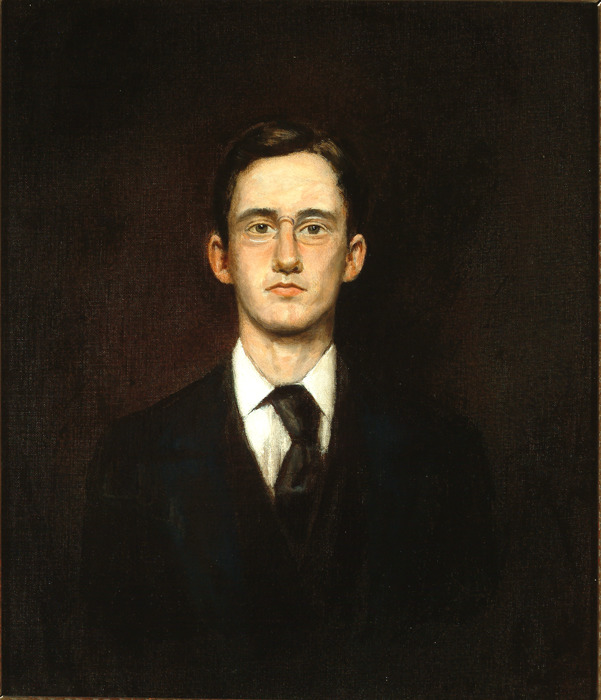
Ashcan School
SUMMARY: The Ashcan School was a pioneering American art movement that emerged in the late 19th and early 20th centuries, focusing on capturing the gritty realities of urban life in New York City.
Overview
The Ashcan School, also referred to as the Ash Can School, was a groundbreaking artistic movement that flourished in the United States during the late 19th and early 20th centuries. This movement was characterized by its focus on depicting the harsh realities of urban life, particularly in New York City's poorer neighborhoods. The Ashcan School artists sought to challenge the traditional, idealized portrayals of American life, instead opting for a more realistic and unromanticized representation of the city's working-class communities. Through their works, these artists aimed to expose the social and economic issues plaguing the city, including poverty, crime, and inequality.
The Ashcan School's artistic style was marked by its use of bold, vibrant colors and a focus on everyday life. The artists often incorporated elements of Impressionism and Realism, blending these styles to create a unique and powerful visual language. Their works frequently featured scenes of city streets, tenements, and marketplaces, as well as the people who inhabited these spaces. By capturing the grit and grime of urban life, the Ashcan School artists sought to humanize the city's marginalized populations and highlight the need for social reform.
History/Background
The Ashcan School movement emerged in the late 19th century, during a time of rapid urbanization and industrialization in the United States. As millions of immigrants flocked to cities like New York, the social and economic conditions in these areas became increasingly dire. The Ashcan School artists, who were largely self-taught and influenced by European art movements, sought to capture the essence of this rapidly changing urban landscape. Key figures associated with the Ashcan School include Robert Henri, George Luks, Everett Shinn, and John Sloan, who would go on to become some of the most influential artists of their time.
The Ashcan School's development was closely tied to the city's vibrant art scene, which was characterized by a sense of experimentation and innovation. The movement's artists often exhibited their works at the Macbeth Gallery, a pioneering art space that showcased the latest developments in American art. Through their exhibitions and publications, the Ashcan School artists helped to establish a new standard for American art, one that prioritized realism and social commentary over traditional notions of beauty and propriety.
Key Information
- Key Figures: Robert Henri, George Luks, Everett Shinn, John Sloan
- Artistic Style: Impressionism, Realism, Urban Realism
- Influences: European art movements, American urban life
- Notable Works: "The Laundress" (1905), "MacDougal Street" (1905), "The Docks" (1909)
- Exhibitions: Macbeth Gallery, 1908 Exhibition of the Ashcan School
- Publications: The Seven Arts (1916), The Masses (1911-1917)
Significance
The Ashcan School's impact on American art and culture cannot be overstated. By challenging traditional notions of beauty and propriety, these artists helped to establish a new standard for American art, one that prioritized realism and social commentary. Their works continue to captivate audiences today, offering a powerful and unflinching portrayal of urban life in the early 20th century. The Ashcan School's influence can be seen in a wide range of artistic movements, from Social Realism to Abstract Expressionism.
INFOBOX:
- Name: Ashcan School
- Type: Art movement
- Date: Late 19th-early 20th century
- Location: New York City
- Known For: Realistic portrayals of urban life, social commentary
TAGS: Ashcan School, American art, urban realism, social realism, Robert Henri, George Luks, Everett Shinn, John Sloan, Impressionism, Realism, Macbeth Gallery, The Seven Arts, The Masses.


