




**
Overview
Born from the gritty energy of exploitation cinema, Blaxploitation films thrust Black protagonists into the spotlight of urban action, crime, and funk‑laden soundtracks. While the genre’s low‑budget roots often meant sensationalist plots and stylized violence, it also offered a rare platform for Black actors, directors, and musicians to claim narrative authority at a time when mainstream Hollywood relegated them to peripheral roles. Audiences responded with enthusiasm, flocking to theaters to see heroes like Shaft, Super Fly, and Foxy Brown—characters who exuded confidence, style, and a fierce sense of self‑determination.The aesthetic of Blaxploitation is unmistakable: saturated colors, gritty cityscapes, and soundtracks pulsing with soul, funk, and early disco, courtesy of legends such as Isaac Hayes, Curtis Mayfield, and James Brown. These films did more than entertain; they mirrored the aspirations and anxieties of Black America during the post‑civil‑rights era, reflecting both the triumphs of Black Power and the lingering shadows of systemic oppression. Though critics accused the genre of perpetuating stereotypes—gangsters, pimps, and hyper‑sexualized women—many scholars argue that the very act of visibility and agency marked a radical shift in cultural representation.
History/Background
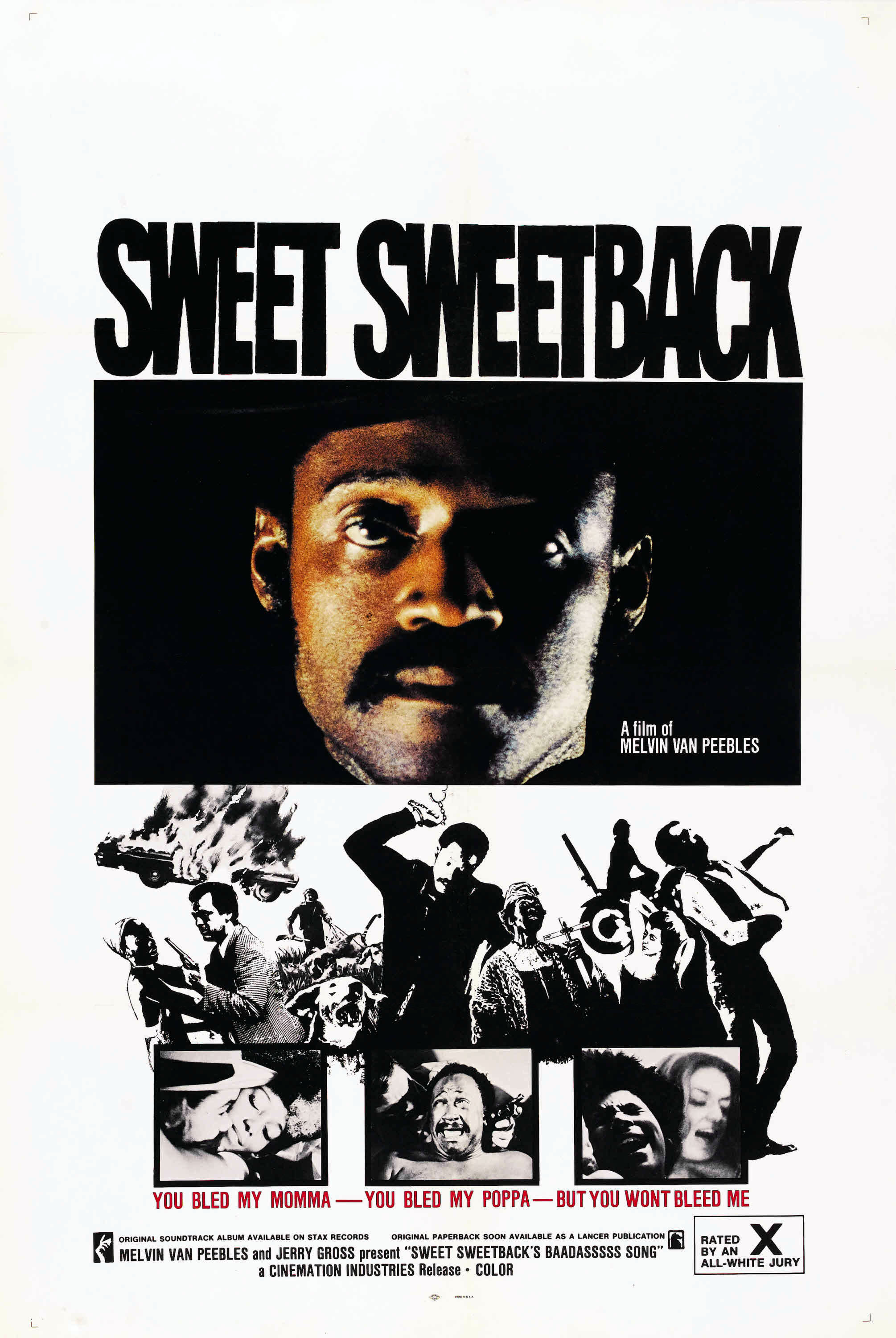
The seeds of Blaxploitation were sown in the late 1960s, when independent producers recognized a burgeoning market for films that spoke directly to Black urban audiences. The watershed moment arrived in 1971 with “Sweet Sweetback’s Baadasssss Song,” directed by Melvin Van Peebles, a self‑financed, unapologetically radical work that proved low‑budget Black cinema could be both profitable and culturally resonant. Hollywood quickly caught on, and by 1972 the term “Blaxploitation”—a portmanteau coined by NAACP Beverly Hills–Hollywood president Junius Griffin—entered the public lexicon, sparking fierce debate over its exploitative connotations.From 1972 to 1975, studios such as Warner Bros., Paramount, and United Artists released a flood of titles, with “Shaft” (1971) and “Super Fly” (1972) becoming box‑office juggernauts. Directors like Gordon Parks, Robert L. Collins, and Larry Cohen contributed to the genre’s diversity, while actors such as Richard Roundtree, Pam Grier, and Ron O’Neal became cultural icons. By the mid‑1970s, the genre’s popularity waned as audiences shifted toward more mainstream blockbusters, and mounting criticism from civil‑rights groups pressured studios to reconsider the portrayals of Black life on screen.
Key Information
- Origins: Rooted in 1960s exploitation cinema; catalyzed by Sweet Sweetback’s Baadasssss Song (1971). - Peak Years: 1971‑1975, with over 200 titles produced. - Signature Elements: Urban settings, anti‑hero protagonists, funk/soul soundtracks, stylized violence, and fashion that influenced streetwear. - Notable Films: Shaft (1971), Super Fly (1972), Foxy Brown (1974), The Mack (1973), Coffy (1973). - Key Figures: Directors Melvin Van Peebles, Gordon Parks; actors Richard Roundtree, Pam Grier, Jim Brown; composers Isaac Hayes, Curtis Mayfield. - Criticism: Accused of reinforcing negative stereotypes—criminality, hyper‑sexuality, drug culture—while also being praised for providing unprecedented Black representation. - Legacy: Inspired later movements such as the 1990s “urban” cinema wave, contemporary Black superhero films, and the aesthetic revival seen in Quentin Tarantino’s Jackie Brown (1997) and Jordan Peele’s Get Out (2017).Significance
Blaxploitation matters because it marked a decisive moment when Black creators seized narrative control, challenging Hollywood’s monolithic gaze. The genre’s daring blend of style, music, and social commentary forged a cultural lexicon that still reverberates in modern cinema, fashion, and music. Its soundtracks helped launch the careers of soul and funk musicians, while its fashion—wide lapels, afros, and platform shoes—shaped 1970s street style and continues to influence contemporary designers. Moreover, the debates sparked by Junius Griffin’s 1972 critique forced the industry to confront the fine line between representation and exploitation, a conversation that persists in today’s discussions about diversity and authenticity in media. In essence, Blaxploitation opened a door that allowed subsequent generations of Black filmmakers—such as Spike Lee, Ava DuVernay, and Ryan Coogler—to walk through, building on a foundation of bold storytelling and unapologetic cultural pride.INFOBOX:
- Name: Blaxploitation Films
- Type: Film subgenre (action/exploitation)
- Date: Early 1970s – Mid‑1970s (peak)
- Location: United States (Hollywood & independent studios)
- Known For: Empowering Black protagonists, iconic funk soundtracks, and redefining urban cinematic aesthetics
TAGS: Blaxploitation, 1970s cinema, African‑American representation, exploitation film, funk soundtrack, civil rights movement, Black Power, cult classics


