




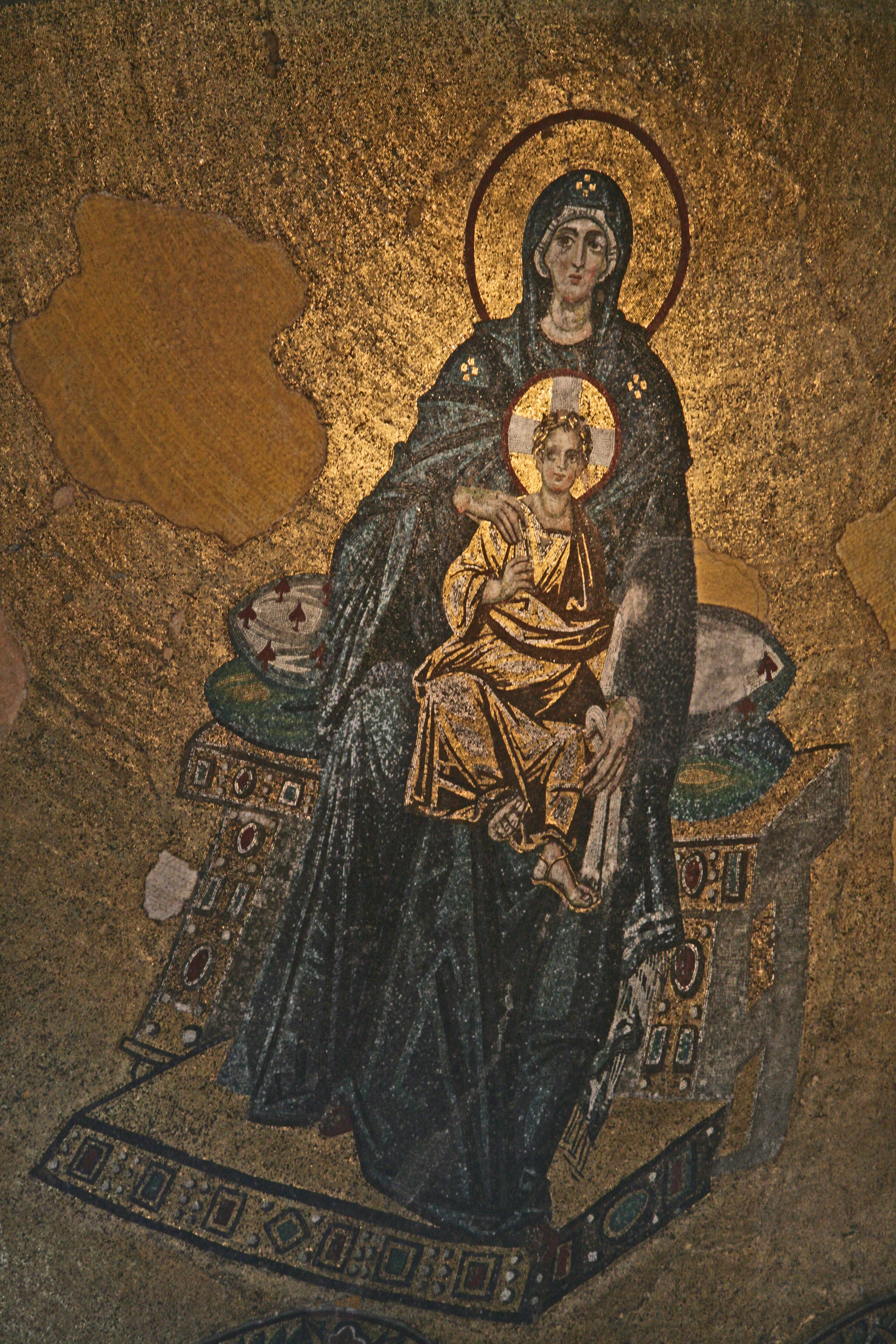
Byzantine Mosaics
Byzantine mosaics are a style of mosaic art that flourished from the 4th to the 15th centuries in and under the influence of the Byzantine Empire. These intricate and colorful works of art were created using small, highly polished stones, glass, and other materials, arranged in intricate patterns and designs. Byzantine mosaics played a significant role in the artistic and cultural heritage of the Byzantine Empire, and their influence can be seen in the art and architecture of the Islamic world, as well as in the Renaissance and Baroque periods of European art.
Byzantine mosaics evolved from earlier Hellenistic and Roman practices and styles, but they developed unique technical advances and artistic expressions that set them apart from their predecessors. The use of gold leaf, for example, became a hallmark of Byzantine mosaics, adding a sense of luxury and opulence to these works of art. The mosaics also often featured intricate and complex compositions, with multiple layers of meaning and symbolism.
The art of Byzantine mosaics was not limited to churches and other religious buildings, but was also used in secular contexts, such as in palaces and public monuments. Byzantine mosaics were highly prized for their beauty and their ability to convey complex ideas and emotions, and they played a significant role in the cultural and artistic heritage of the Byzantine Empire.
History
The history of Byzantine mosaics dates back to the 4th century, when the Byzantine Empire was still in its early stages. During this period, mosaics were used to decorate the walls and floors of churches and other public buildings, often featuring images of saints, angels, and other biblical figures. Over time, the art of mosaics evolved and became more sophisticated, with the use of gold leaf and other materials becoming more widespread.
In the 6th century, the Justinian I commissioned a series of mosaics for the Hagia Sophia in Constantinople, which became a model for Byzantine mosaics for centuries to come. These mosaics featured intricate and complex compositions, with multiple layers of meaning and symbolism. They also showcased the technical advances of Byzantine mosaics, including the use of gold leaf and other materials.
During the Middle Ages, Byzantine mosaics continued to evolve and spread throughout the empire. They were used in churches, palaces, and public monuments, and featured a wide range of subjects, from biblical scenes to portraits of emperors and nobles. The art of mosaics also became more widespread, with many artists and craftsmen learning the techniques and passing them down to future generations.
Technique
Byzantine mosaics were created using a variety of techniques, including the use of small, highly polished stones, glass, and other materials. The stones and glass were cut into small pieces, called tesserae, which were then arranged in intricate patterns and designs. The tesserae were held in place by a layer of mortar, which was often colored to match the surrounding material.
The use of gold leaf was a hallmark of Byzantine mosaics, adding a sense of luxury and opulence to these works of art. Gold leaf was applied to the surface of the mosaic using a technique called gilding, in which the gold was beaten into thin sheets and then applied to the surface of the mosaic.
Byzantine mosaics also featured a range of other materials, including marble, limestone, and other types of stone. These materials were often used to create intricate and complex compositions, with multiple layers of meaning and symbolism.
Influence
Byzantine mosaics had a significant influence on the art and architecture of the Islamic world, as well as on the Renaissance and Baroque periods of European art. The use of gold leaf and other materials, for example, became a hallmark of Islamic art, and the intricate and complex compositions of Byzantine mosaics influenced the development of Islamic architecture.
In Europe, the art of Byzantine mosaics was rediscovered during the Renaissance, and it had a significant influence on the development of Renaissance art. The use of gold leaf and other materials, for example, became a hallmark of Renaissance art, and the intricate and complex compositions of Byzantine mosaics influenced the development of Renaissance architecture.
Legacy
Byzantine mosaics continue to be studied and admired today, and their influence can be seen in a wide range of artistic and cultural contexts. The art of mosaics has evolved over time, but the techniques and materials used in Byzantine mosaics remain an important part of the artistic heritage of the Byzantine Empire.
INFOBOX:
- Name: Byzantine Mosaics
- Type: Art style
- Date: 4th-15th centuries
- Location: Byzantine Empire
- Known For: Unique technical advances and artistic expressions, influence on Islamic art and Renaissance art
TAGS: Byzantine Empire, Byzantine art, Mosaics, Gold leaf, Islamic art, Renaissance art, Baroque art, Art history, Art technique, Art influence


