




Chamber Music
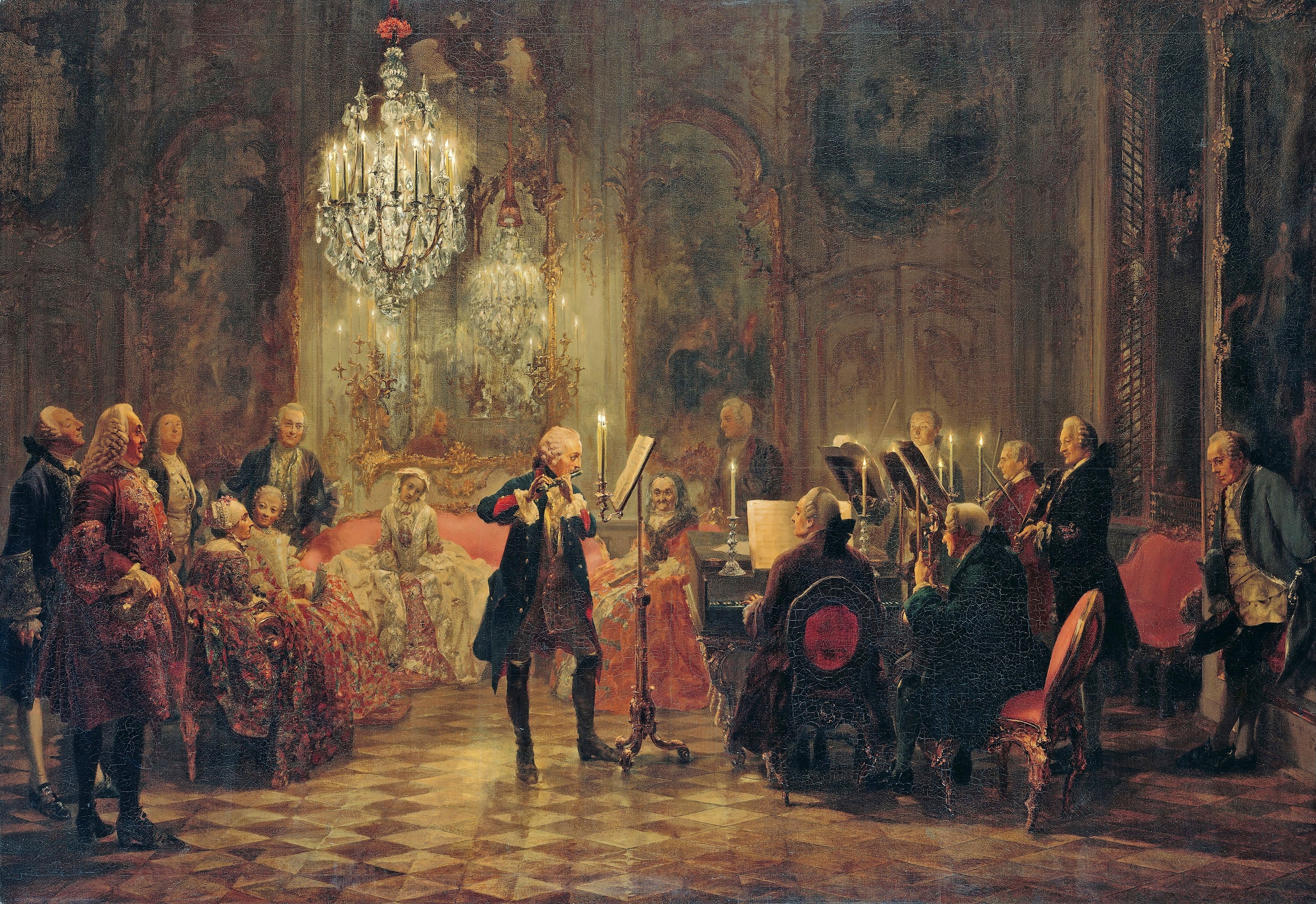
Chamber music is a form of classical music that is composed for a small group of instruments—traditionally a group that could fit in a palace chamber or a large room. Most broadly, it includes any art music that is performed by a small number of performers, with one performer to a part. However, by convention, it usually does not include solo instrument performances. Chamber music is characterized by its intimate and nuanced sound, often featuring complex harmonies and intricate instrumental interactions. It has been a cornerstone of classical music for centuries, with a rich history and diverse repertoire that continues to captivate audiences today.
The origins of chamber music date back to the Renaissance, when small ensembles of instruments began to perform together in the courts of Europe. Over time, chamber music evolved to encompass a wide range of styles and genres, from the Baroque suites of Bach and Handel to the Classical string quartets of Haydn and Mozart. In the 19th century, chamber music experienced a resurgence in popularity, with the rise of the Romantic movement and the emergence of new musical forms such as the piano trio and the string quintet.
Today, chamber music is performed and appreciated around the world, with a diverse range of ensembles and musicians contributing to its rich cultural heritage. From the classical music festivals of Europe to the contemporary music scenes of Asia and the Americas, chamber music continues to inspire and delight audiences with its unique blend of intimacy, nuance, and emotional depth.
History
Chamber music has a long and storied history that spans over four centuries. The earliest known examples of chamber music date back to the Renaissance, when small ensembles of instruments began to perform together in the courts of Europe. These early ensembles were often composed of strings, winds, and keyboard instruments, and were typically performed in the palaces and castles of the nobility.
During the Baroque period, chamber music became increasingly popular, with composers such as Bach and Handel writing suites and sonatas for small ensembles. The Classical period saw the emergence of the string quartet, a genre that would become a staple of chamber music repertoire. Composers such as Haydn and Mozart wrote numerous string quartets, which were performed in the salons and drawing rooms of the aristocracy.
In the 19th century, chamber music experienced a resurgence in popularity, with the rise of the Romantic movement and the emergence of new musical forms such as the piano trio and the string quintet. Composers such as Brahms, Dvořák, and Tchaikovsky wrote numerous chamber works, which were performed by small ensembles of musicians.
Mechanism
Chamber music is characterized by its intimate and nuanced sound, which is achieved through the interaction of a small group of instruments. The typical chamber music ensemble consists of between two and ten players, with each player contributing to the overall sound and texture of the music. The instruments used in chamber music vary widely, but typically include strings, winds, and keyboard instruments.
The mechanism of chamber music is based on the principle of interdependence, where each player relies on the others to create the overall sound. This requires a high degree of communication and coordination between the players, as well as a deep understanding of the music and the instruments being used. Chamber music also relies on the concept of counterpoint, where multiple melodic lines are woven together to create a rich and complex sound.
Significance and Impact
Chamber music has had a profound impact on the development of classical music, influencing a wide range of genres and styles. Its intimate and nuanced sound has captivated audiences for centuries, and its rich cultural heritage continues to inspire and delight musicians and music lovers around the world.
Chamber music has also played a significant role in the development of Western classical music, influencing the emergence of new musical forms and styles. Its emphasis on interdependence and counterpoint has shaped the sound of classical music, and its reliance on small ensembles of musicians has created a unique and intimate musical experience.
Criticism and Controversy
Despite its enduring popularity, chamber music has faced criticism and controversy over the years. Some critics have argued that chamber music is elitist and inaccessible, requiring a high level of musical sophistication and cultural knowledge to appreciate. Others have argued that chamber music is too focused on technical virtuosity, neglecting the emotional and expressive aspects of music.
However, these criticisms have been largely mitigated by the emergence of new musical forms and styles, which have made chamber music more accessible and inclusive. The rise of contemporary music and the increasing diversity of chamber music ensembles have also helped to broaden the appeal of chamber music, making it more relevant and engaging for modern audiences.
Applications
Chamber music has a wide range of applications, from classical music performances to educational settings and community outreach programs. Its intimate and nuanced sound makes it an ideal choice for small ensembles and solo performances, and its rich cultural heritage continues to inspire and delight musicians and music lovers around the world.
Chamber music is also used in a variety of educational settings, from music schools and conservatories to community colleges and universities. Its emphasis on interdependence and counterpoint makes it an ideal choice for teaching music theory and history, and its reliance on small ensembles of musicians makes it an excellent way to develop musical skills and teamwork.


