




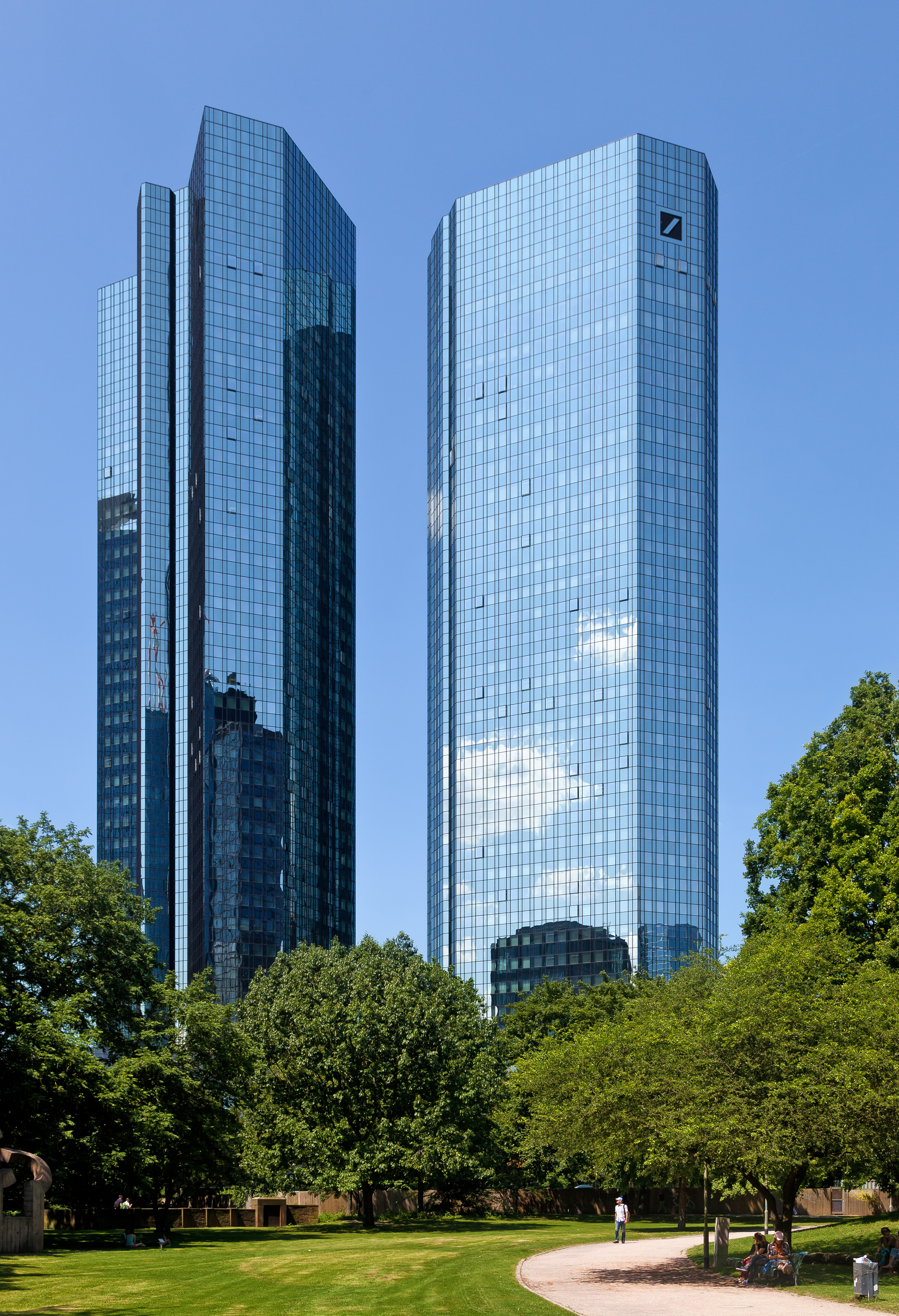
Overview
Deutsche Bank AG is one of the largest and most influential financial institutions in the world, with a rich history dating back to 1870. The bank's name translates to "German Bank" in English, reflecting its German heritage and commitment to serving the country's economic interests. Headquartered in Frankfurt, Germany, Deutsche Bank is dual-listed on the Frankfurt Stock Exchange and the New York Stock Exchange, making it a global player in the financial industry. With a diverse range of services, including investment banking, asset management, and private banking, Deutsche Bank caters to the needs of individuals, corporations, and governments worldwide.
Deutsche Bank's global presence is a testament to its success in navigating the complexities of the financial industry. The bank has a significant presence in Europe, Asia, and the Americas, with a network of over 2,500 branches and offices worldwide. Its commitment to innovation and technology has enabled it to stay ahead of the curve, offering cutting-edge financial solutions to its clients. From corporate finance and mergers and acquisitions to asset management and private banking, Deutsche Bank's expertise and expertise have made it a trusted partner for businesses and individuals alike.
Despite facing challenges in recent years, including regulatory scrutiny and declining profits, Deutsche Bank remains a major player in the financial industry. Its resilience and adaptability have allowed it to navigate the changing landscape, and its commitment to sustainability and social responsibility has earned it a reputation as a responsible corporate citizen.
History/Background
Deutsche Bank was founded in 1870 by a group of German entrepreneurs, including Adelbert Delbrück and Lazard brothers. Initially, the bank focused on providing financial services to German businesses and individuals, but it quickly expanded its operations to serve international clients. During the late 19th and early 20th centuries, Deutsche Bank played a significant role in financing Germany's industrialization and economic growth.
In the aftermath of World War I, Deutsche Bank faced significant challenges, including the hyperinflation of the German mark and the subsequent economic crisis. However, the bank's leadership and resilience enabled it to recover and adapt to the changing economic landscape. During the 1920s and 1930s, Deutsche Bank played a key role in financing Germany's economic recovery and industrial growth.
Key Information
- Revenue: €22.9 billion (2020)
- Employees: over 87,000 (2020)
- Assets: €1.5 trillion (2020)
- Subsidiaries: over 100 subsidiaries and affiliates worldwide
- Awards: numerous awards for excellence in finance, including the "Best Investment Bank in Europe" award at the 2020 Euromoney Awards
Deutsche Bank has a long history of innovation and excellence in finance. The bank has been at the forefront of various financial innovations, including the development of the euro and the creation of the European Central Bank. Its commitment to sustainability and social responsibility has earned it a reputation as a responsible corporate citizen.
Significance
Deutsche Bank's significance extends beyond its financial performance and market presence. As one of the largest and most influential financial institutions in the world, the bank plays a critical role in shaping the global economy and financial landscape. Its commitment to innovation, sustainability, and social responsibility has made it a leader in the financial industry, and its expertise and expertise have earned it a reputation as a trusted partner for businesses and individuals alike.


