




**
Overview
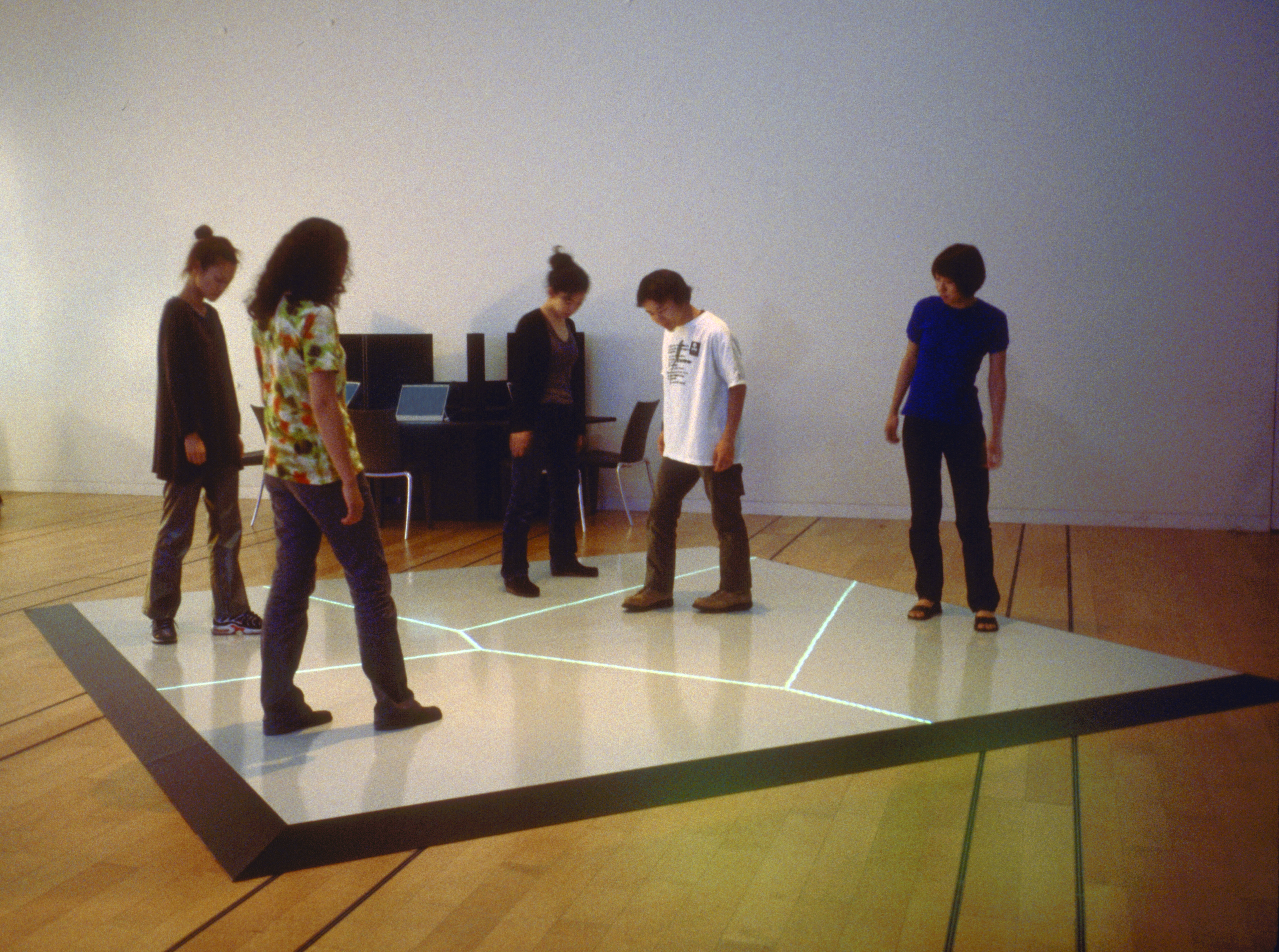
Digital art, often called the digital arts, encompasses any artistic work that employs digital technology as an integral part of its creative or presentational process. Whether a painter wields a stylus on a tablet, a coder writes algorithms that generate abstract forms, or a curator builds a virtual gallery that lives entirely online, the defining thread is the use of digital tools to conceive, produce, or display the piece. This fluid definition allows the medium to span a dizzying range of practices: digital painting, 3‑D modeling, generative art, interactive installations, augmented reality (AR) experiences, and even blockchain‑based NFTs.Beyond the canvas, digital art lives on physical media (hard‑drive files, USB sticks, printed canvases) and in virtual spaces—websites, museum VR rooms, and social platforms where audiences can scroll, zoom, and even manipulate the work in real time. The field also intersects with visual computing, a discipline that blends computer graphics, perception research, and human‑computer interaction to push the boundaries of what “seeing” can mean in an age of pixels and code.
History/Background
The roots of digital art stretch back to the 1960s, when pioneering engineers and artists such as Ben Laposky, Harold Cohen, and Nam June Paik began experimenting with oscilloscopes, computer‑generated plots, and video feedback. Early terminology—computer art, electronic art, multimedia art—reflected the novelty of using machines as creative partners. In 1965, the First International Computer Art Exhibition in New York showcased algorithmic prints, signaling a nascent community.The 1980s saw personal computers and graphic software (e.g., MacPaint, Adobe Photoshop) democratize the medium, allowing a broader swath of creators to explore pixel‑based expression. The rise of the internet in the 1990s birthed net art, where works existed solely as URLs, and the concept of a digital gallery took hold. The 2000s introduced interactive installations powered by sensors and projection mapping, while the 2010s exploded with generative art (using code to produce ever‑changing visuals) and blockchain technologies that gave rise to NFTs, redefining ownership and provenance.
Key dates:
- 1965: First International Computer Art Exhibition.
- 1982: Release of MacPaint, popularizing bitmap editing.
- 1994: Emergence of net art with the launch of The Thing network.
- 2005: Introduction of Processing, an open‑source language for visual artists.
- 2014: Rise of VR art with consumer headsets like Oculus Rift.
- 2021: NFT boom, bringing digital art to mainstream financial markets.
Key Information
- Mediums: Digital painting, 3‑D sculpture, animation, VR/AR, generative code, interactive installations, and blockchain‑based tokens. - Tools: Graphics tablets, 3‑D modeling software (Blender, Maya), coding environments (Processing, p5.js), game engines (Unity, Unreal), and AI platforms (Midjourney, DALL·E). - Distribution: Online galleries (Behance, ArtStation), museum VR rooms, social media platforms (Instagram, TikTok), and decentralized marketplaces (OpenSea, Rarible). - Notable Figures: Beeple (Mike Winkelmann), whose Everydays collage sold for $69 million; Refik Anadol, known for data‑driven immersive installations; Rafaël Rozendaal, a pioneer of web‑based art. - Achievements: First digital artwork sold at auction (1999, The Great Wave by Harold Cohen); first NFT auction record (Beeple, 2021); integration of AI-generated imagery into major museum exhibitions (e.g., MoMA’s “AI: More Than Human”).Significance
Digital art matters because it redefines the boundaries of creativity. By embedding code, data, and interactivity into the artistic process, creators can produce works that evolve, respond to viewers, or exist across multiple realities. This fluidity challenges traditional notions of authorship, permanence, and audience, prompting fresh dialogues about intellectual property, cultural preservation, and the economics of art.The medium also expands access: anyone with a laptop can experiment, share, and monetize their creations, fostering a global, inclusive community that transcends geographic and socioeconomic barriers. Moreover, digital art drives technological innovation—advances in rendering, AI, and haptic feedback often arise from artistic experimentation before migrating into broader industries like gaming, architecture, and education.
In the museum world, digital installations attract younger, tech‑savvy visitors, revitalizing institutions and prompting new curatorial strategies. As we move deeper into an era of mixed reality, digital art will likely become the lingua franca of cultural expression, shaping how societies imagine, critique, and celebrate the world around—and within—them.
INFOBOX:
- Name: Digital Art (the Digital Arts)
- Type: Visual / Multimedia Art Form
- Date: Emerged in the 1960s (formalized 1965)
- Location: Global (originated in research labs and avant‑garde studios)
- Known For: Integrating digital technology into creation, presentation, and distribution of artistic works
TAGS: digital art, new media, generative art, virtual reality, NFTs, visual computing, interactive installation, contemporary art


