




**
Overview
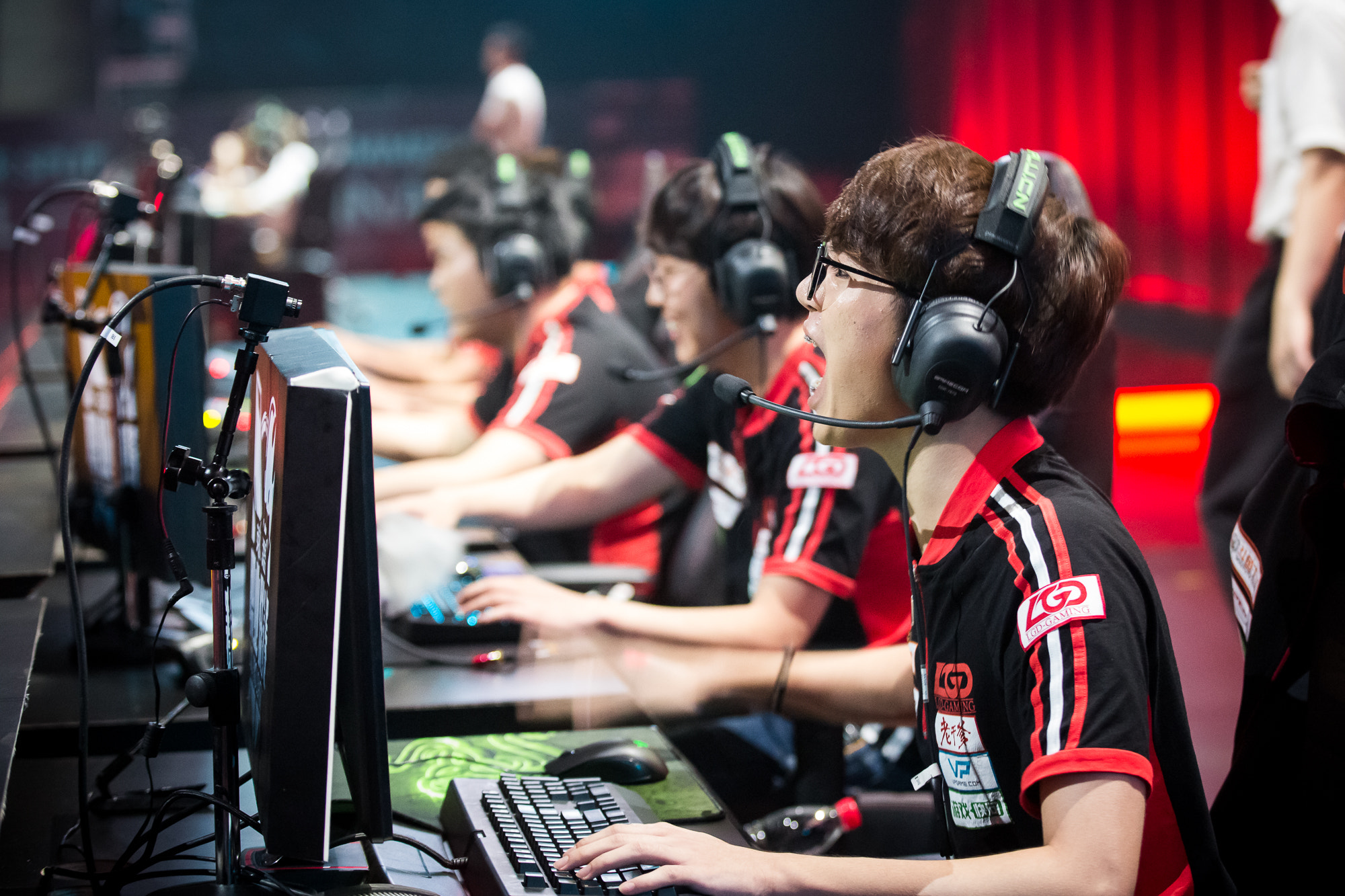
Esports has transformed the pastime of video‑gaming into a legitimate, spectator‑driven sport that mirrors traditional athletics in structure, training, and fan culture. Professional players devote countless hours to mastering mechanics, strategy, and teamwork, often following regimented practice schedules comparable to those of Olympic athletes. Tournaments are streamed to millions of viewers on platforms such as Twitch, YouTube Gaming, and regional broadcasters, generating billions of dollars in advertising and media rights. The scene spans a diverse array of genres—real‑time strategy (RTS), first‑person shooters (FPS), multiplayer online battle arenas (MOBA), and sports simulations—each cultivating its own ecosystem of leagues, rankings, and star athletes.The competitive format can be individual (e.g., StarCraft II solo matches) or team‑based (e.g., League of Legends or Counter‑Strike: Global Offensive squads). Prize pools have exploded from modest cash awards in the early 2000s to multi‑million‑dollar events such as The International (Dota 2) and Fortnite World Cup. Moreover, esports has forged a new career pathway: beyond players, there are coaches, analysts, shoutcasters, and even sports‑medicine professionals who support the physical and mental health of gamers.
History/Background
The roots of esports trace back to the 1970s, when Atari hosted the first known video‑game competition, the Space Invaders Championship (1972), drawing over 10,000 participants. The 1990s saw the rise of LAN parties and early professional leagues, most notably South Korea’s StarCraft boom, which turned gamers into national celebrities and laid the groundwork for structured leagues, televised matches, and dedicated esports arenas. In 2000, the Cyberathlete Professional League (CPL) organized the first global, prize‑money‑backed tournaments, while World Cyber Games (2000) introduced a “Olympic‑style” multi‑title event.A pivotal moment arrived in 2011 with the launch of League of Legends’ Season 1 World Championship, attracting 8 million viewers and proving that a single game could sustain a worldwide competitive circuit. The following year, StarCraft II and Dota 2 debuted, further expanding the market. By 2013, esports entered mainstream media when ESPN aired League of Legends matches, and the International Olympic Committee began exploring esports as a potential future discipline. The mid‑2010s witnessed the explosion of mobile esports (e.g., Arena of Valor), the rise of battle‑royale spectacles (Fortnite, PUBG), and the institutionalization of collegiate esports programs across North America and Europe.
Key Information
- Top Titles: League of Legends, Dota 2, Counter‑Strike: Global Offensive, Valorant, Fortnite, Overwatch, StarCraft II, Rainbow Six Siege. - Largest Prize Pools: The International (2023) – $40 million; Fortnite World Cup (2019) – $30 million. - Viewership Milestones: League of Worlds 2022 – 73 million unique viewers; The International 2022 – over 20 million concurrent viewers. - Professional Structure: Global leagues (e.g., LCS, LEC, LCK, LPL), franchised teams with multimillion‑dollar valuations, player contracts, salary caps, and transfer windows. - Economic Impact: Estimated $1.8 billion industry revenue in 2023, with sponsorships from tech giants (Intel, Nvidia), consumer brands (Red Bull, Coca‑Cola), and traditional sports franchises (Manchester City, Paris Saint‑Germain). - Health & Training: Players employ sports psychologists, nutritionists, and physiotherapists; average daily practice ranges 8–12 hours, with emphasis on ergonomics to prevent repetitive‑strain injuries.Significance
Esports reshapes how society defines competition, entertainment, and athleticism. It democratizes access—anyone with a console or PC can aspire to professional status—while simultaneously creating a global cultural lingua franca that bridges language and geography. The sector fuels technological innovation, driving advances in streaming infrastructure, real‑time analytics, and immersive spectator experiences (e.g., AR overlays). Moreover, esports offers a new revenue stream for traditional sports clubs seeking younger audiences, leading to cross‑industry collaborations and shared stadiums. Educational institutions now grant scholarships for esports athletes, legitimizing the discipline as a viable career path. As governments and the International Olympic Committee continue to evaluate esports for inclusion in future Games, the field stands poised to cement its legacy as a 21st‑century sport that blends digital mastery with the timeless spirit of competition.INFOBOX:
- Name: Esports (Electronic Sports)
- Type: Competitive Video‑Game Sport
- Date: Originated 1972 (Space Invaders Championship) – modern era solidified 2011 (League of Legends World Championship)
- Location: Global (major hubs in North America, Europe, East Asia, Southeast Asia, South America)
- Known For: Multi‑million‑dollar prize pools, massive live‑stream audiences, professional leagues, and cultural impact on gaming and sports industries
TAGS: esports, video games, competitive gaming, professional gaming, MOBA, FPS, streaming, sports culture


