




**
Overview
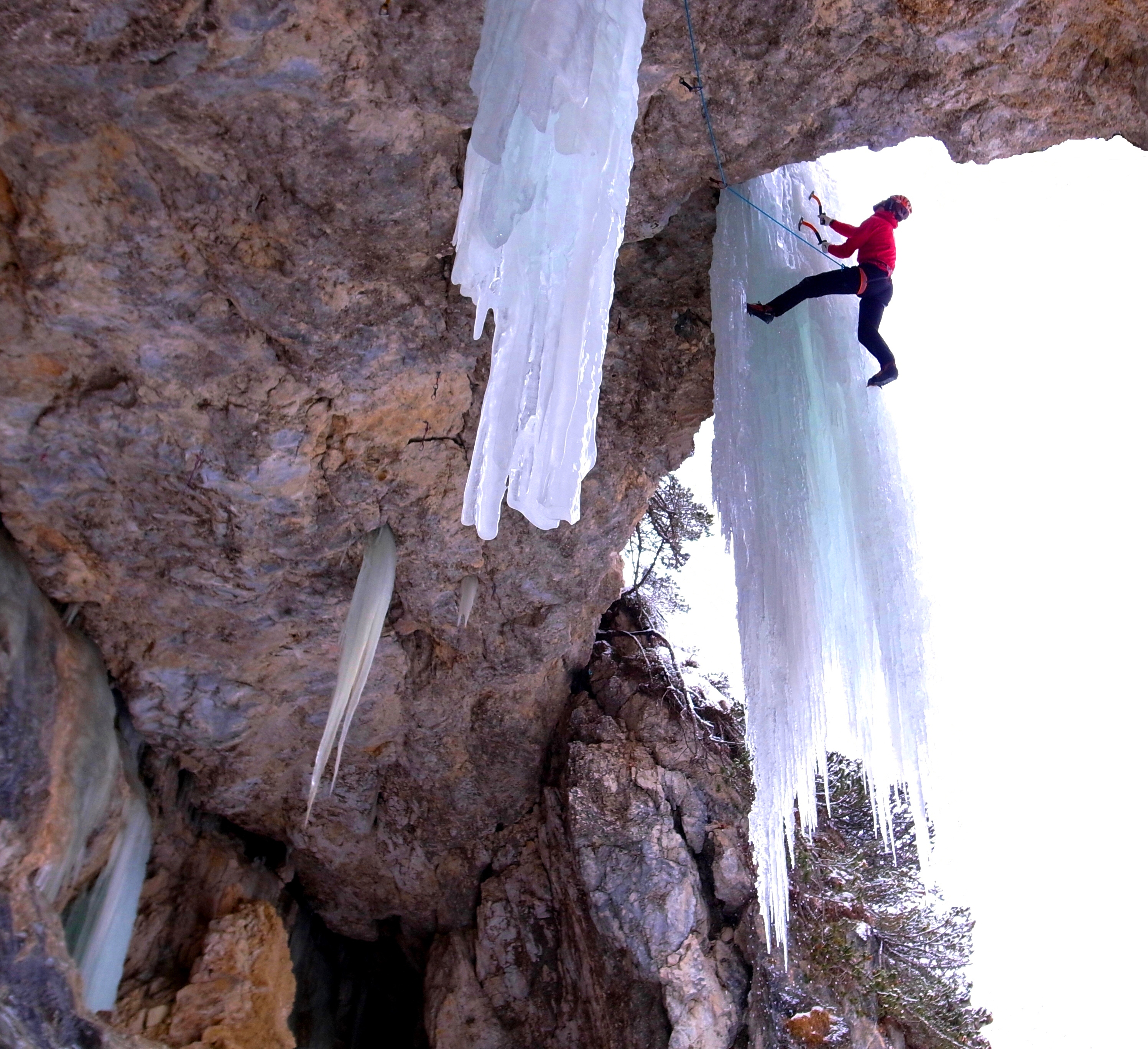
Extreme sports—also known as action or adventure sports—are defined by a perceived high degree of risk of injury or death. Participants chase the “adrenaline rush” that comes from confronting danger, whether that danger is a 200‑foot cliff, a roaring river, or a 150 mph downhill sprint. The sports span a wide spectrum, from base jumping and big‑wave surfing to parkour, mountain biking, and snowboarding. While the core appeal is the thrill of risk, each discipline demands a unique blend of physical conditioning, technical skill, and specialized gear such as carbon‑fiber boards, aerodynamic helmets, and custom‑fit protective suits.
The culture surrounding extreme sports is as much about community and lifestyle as it is about competition. Athletes often self‑produce video content, sponsor niche brands, and cultivate a DIY ethos that challenges mainstream sporting institutions. This grassroots energy has birthed global events like the X Games, Red Bull Rampage, and the International Federation of Extreme Sports (IFES), turning once‑underground pursuits into televised spectacles and lucrative professional circuits.
Extreme tourism overlaps with extreme sport, sharing the same adrenaline‑driven motivation but differing in degree of engagement. Tourists may try a single, guided activity—such as a one‑day heli‑skiing run—while extreme athletes typically train year‑round, develop personal technique, and compete at elite levels. Both, however, illustrate a broader societal fascination with pushing boundaries and confronting the unknown.
History/Background
The roots of extreme sports trace back to ancient rites and survival skills—think of cliff diving in the Mediterranean or the Inuit’s daring ice‑fishing practices. Modern extreme sports emerged in the 1960s–1970s, fueled by counter‑cultural movements that rejected conventional athletics. The invention of the BMX bike (1971), the popularization of surfing’s “shortboard revolution” (late 1960s), and the rise of skateboarding in California’s suburban streets set the stage for a new era of risk‑focused recreation.Key milestones include the first X Games (1995), which gave a global platform to athletes like Tony Hawk (vert skateboarding) and Travis Pastrana (motocross). The 2000s saw the explosion of digital media, with YouTube and social platforms allowing athletes to broadcast stunts instantly, amplifying both popularity and safety concerns. In 2015, the International Olympic Committee recognized skateboarding, sport climbing, and surfing as Olympic sports, cementing extreme sports’ transition from fringe to mainstream.
Key Information
- Risk Factors: High speeds (up to 200 km/h in downhill mountain biking), extreme heights (over 300 m in BASE jumps), and volatile environments (white‑water rapids, avalanche zones). - Specialized Gear: Carbon‑fiber boards, impact‑absorbing helmets, air‑bag safety nets, and custom‑fit protective padding. Technological advances have reduced fatality rates by ≈30 % since the early 2000s. - Professional Circuits: X Games (annual, USA), Red Bull Rampage (big‑air mountain biking), Dew Tour (snowboarding/skiing), and the World Extreme Sports Federation (WESF) rankings. - Notable Records: Felix Baumgartner’s 39 km free‑fall jump (2012), Kelly Slater’s 11 world surfing titles, Lindsey Vonn’s 82 World Cup ski victories, and Shaun White’s triple Olympic gold in snowboarding. - Economic Impact: Global extreme‑sport market valued at ≈ $45 billion (2023), driven by equipment sales, event tourism, and media rights.Significance
Extreme sports matter because they redefine human limits and inspire technological innovation. The demand for lighter, stronger gear has spurred advances in composite materials now used in aerospace and automotive industries. Moreover, the sports’ emphasis on risk assessment, mental resilience, and rapid decision‑making offers valuable lessons for emergency services, military training, and even corporate leadership programs.Culturally, extreme sports have reshaped notions of youth identity and rebellion, providing an outlet for self‑expression that transcends traditional gender and socioeconomic boundaries. Their integration into the Olympic program signals a broader acceptance of alternative athleticism, encouraging diverse participation and fostering global communities united by a shared love of the edge.
Finally, the sport’s growing visibility has prompted safety reforms: mandatory helmet laws, standardized injury‑tracking databases, and the rise of professional safety crews equipped with drones and medical air‑bags. These measures illustrate how a once‑underground movement can drive public‑policy change, making high‑risk pursuits safer for future generations.
INFOBOX:
- Name: Extreme Sports (Action/Adventure Sports)
- Type: High‑risk athletic disciplines
- Date: Emerged prominently in the 1970s (formalized 1995 with X Games)
- Location: Global (popular hubs include California, Colorado, New Zealand, and the Swiss Alps)
- Known For: Pushing physical and psychological limits through speed, height, and specialized gear
TAGS: extreme sports, action sports, adrenaline, X Games, adventure tourism, high‑risk athletics, extreme gear, sport history


