




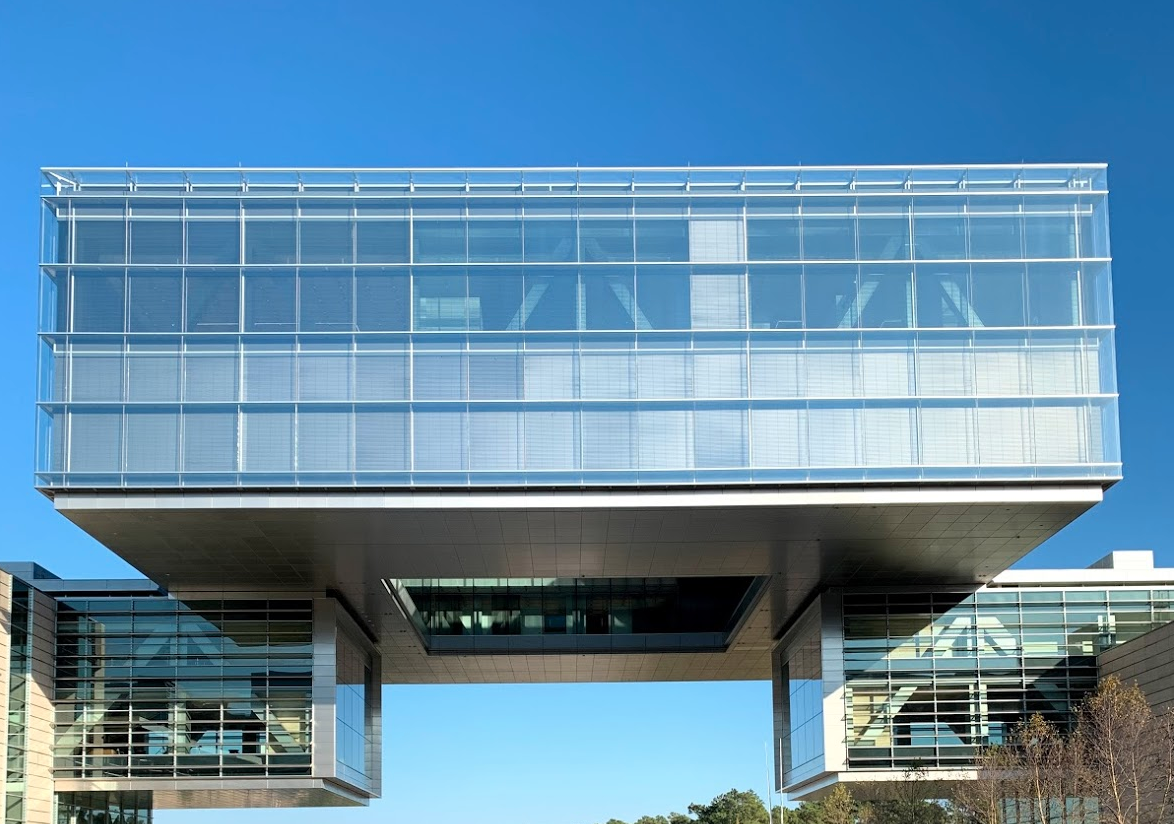
ExxonMobil Corporation
ExxonMobil Corporation is the largest publicly traded international oil and gas company in the world, with operations in over 50 countries and a history dating back to the late 19th century. The company is a direct successor of John D. Rockefeller's Standard Oil, and has undergone significant transformations over the years, including a major merger in 1999 that formed the current ExxonMobil Corporation. Today, ExxonMobil is a vertically integrated company that spans the entire oil and gas industry, as well as its chemicals division, which produces a wide range of products including plastic, synthetic rubber, and other chemical products.
ExxonMobil's history is deeply intertwined with the development of the oil industry in the United States. The company's predecessor, Standard Oil, was founded in 1870 by John D. Rockefeller, who would go on to become one of the wealthiest individuals in history. Standard Oil dominated the oil industry for much of the late 19th and early 20th centuries, and was eventually broken up into smaller companies in 1911 under the Sherman Antitrust Act. One of these smaller companies, Standard Oil of New Jersey, would eventually become ExxonMobil.
In 1972, Standard Oil of New Jersey changed its name to Exxon, and began to expand its operations globally. In the 1980s, Exxon merged with Mobil, another major oil company, to form ExxonMobil. The merger was completed in 1999, and created one of the largest and most powerful oil companies in the world. Today, ExxonMobil is a multinational corporation with a diverse range of operations, including oil and gas production, refining, and marketing, as well as a significant chemicals division.
History
ExxonMobil's history dates back to the late 19th century, when John D. Rockefeller founded Standard Oil in 1870. Standard Oil dominated the oil industry for much of the late 19th and early 20th centuries, and was eventually broken up into smaller companies in 1911 under the Sherman Antitrust Act. One of these smaller companies, Standard Oil of New Jersey, would eventually become ExxonMobil.
In 1972, Standard Oil of New Jersey changed its name to Exxon, and began to expand its operations globally. Exxon merged with Mobil in the 1980s, and the two companies began to integrate their operations. The merger was completed in 1999, and created one of the largest and most powerful oil companies in the world.
Early Years (1870-1911)
Standard Oil was founded in 1870 by John D. Rockefeller, who would go on to become one of the wealthiest individuals in history. Rockefeller's vision for Standard Oil was to create a vertically integrated company that controlled every aspect of the oil industry, from production to refining to marketing. Under Rockefeller's leadership, Standard Oil quickly became the dominant player in the oil industry, and its success was fueled by its innovative business practices and its ability to control the supply of oil.
Merger with Mobil (1980s-1999)
In the 1980s, Exxon merged with Mobil, another major oil company, to form ExxonMobil. The merger was completed in 1999, and created one of the largest and most powerful oil companies in the world. The merger was a major strategic move for Exxon, as it allowed the company to expand its operations globally and to increase its market share.
Operations
ExxonMobil is a vertically integrated company that spans the entire oil and gas industry, as well as its chemicals division. The company's operations are divided into several key areas, including:
Upstream
ExxonMobil's upstream operations involve the exploration and production of oil and gas. The company has operations in over 50 countries, and is one of the largest oil and gas producers in the world.
Downstream
ExxonMobil's downstream operations involve the refining and marketing of oil and gas products. The company has a significant network of refineries and marketing terminals around the world, and is one of the largest refiners and marketers of oil and gas products.
Chemicals
ExxonMobil's chemicals division produces a wide range of products, including plastic, synthetic rubber, and other chemical products. The company's chemicals division is one of the largest in the world, and is a major supplier of chemicals to a wide range of industries.
Financials
ExxonMobil is one of the largest and most profitable companies in the world. The company's financial performance is driven by its significant operations in the oil and gas industry, as well as its chemicals division. In 2020, ExxonMobil reported revenues of $478 billion and net income of $14.3 billion.
Revenue
ExxonMobil's revenue is driven by its significant operations in the oil and gas industry, as well as its chemicals division. The company's revenue is also influenced by global economic trends, including changes in oil prices and demand.
Net Income
ExxonMobil's net income is driven by its significant operations in the oil and gas industry, as well as its chemicals division. The company's net income is also influenced by global economic trends, including changes in oil prices and demand.
Controversies
ExxonMobil has been involved in several controversies over the years, including:
Climate Change
ExxonMobil has been accused of downplaying the risks of climate change, and of failing to take adequate steps to reduce its own carbon footprint. The company has faced several lawsuits and investigations related to its role in climate change.
Environmental Damage
ExxonMobil has been involved in several environmental disasters over the years, including the Exxon Valdez oil spill in 1989. The company has faced significant criticism and regulatory action related to its environmental practices.
INFOBOX:
- Name: ExxonMobil Corporation
- Type: Multinational oil and gas company
- Date: 1870 (founded as Standard Oil)
- Location: Spring, Texas, USA
- Known For: Largest publicly traded international oil and gas company in the world
TAGS: ExxonMobil, oil and gas, Standard Oil, John D. Rockefeller, climate change, environmental damage, multinational corporation, energy industry, chemicals division.


