




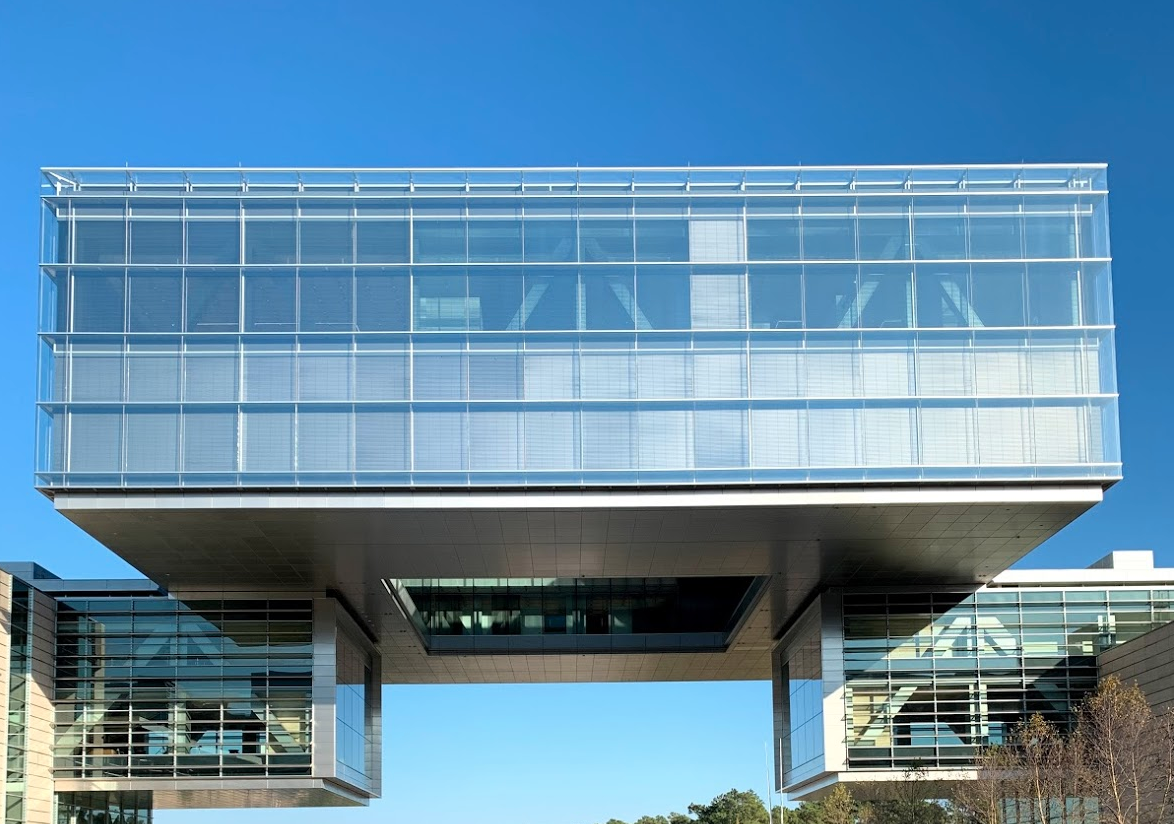
ExxonMobil Corporation
ExxonMobil Corporation is an American multinational oil and gas corporation headquartered in Spring, Texas, a suburb of Houston, and is the largest direct successor of John D. Rockefeller's Standard Oil. The company was formed in 1999 through the merger of Exxon and Mobil, and is vertically integrated across the entire oil and gas industry, as well as within its chemicals division, which produces plastic, synthetic rubber, and other chemical products. As the largest U.S.-based oil and gas company, ExxonMobil is the eighth-largest company by revenue in the U.S. and 13th-largest in the world. It is also the largest investor-owned oil company in the world.
ExxonMobil's history dates back to the late 19th century, when John D. Rockefeller founded Standard Oil in 1870. Through a series of mergers and acquisitions, Standard Oil grew to become one of the largest oil companies in the world. In 1911, the U.S. Supreme Court ordered the breakup of Standard Oil into smaller companies, including Standard Oil of New Jersey, which would eventually become Exxon. Mobil, on the other hand, was formed in 1931 through the merger of the Standard Oil Company of New York and the Vacuum Oil Company.
The modern ExxonMobil corporation was formed in 1999, when Exxon and Mobil merged to create a single company. The merger was valued at $81 billion and created a company with a combined market value of over $400 billion. Today, ExxonMobil is one of the largest and most profitable companies in the world, with operations in over 50 countries and a workforce of over 70,000 employees.
History
ExxonMobil's history dates back to the late 19th century, when John D. Rockefeller founded Standard Oil in 1870. Through a series of mergers and acquisitions, Standard Oil grew to become one of the largest oil companies in the world. In 1911, the U.S. Supreme Court ordered the breakup of Standard Oil into smaller companies, including Standard Oil of New Jersey, which would eventually become Exxon.
Mobil, on the other hand, was formed in 1931 through the merger of the Standard Oil Company of New York and the Vacuum Oil Company. The company was renamed Mobil Oil Corporation in 1931 and went on to become one of the largest oil companies in the world.
The modern ExxonMobil corporation was formed in 1999, when Exxon and Mobil merged to create a single company. The merger was valued at $81 billion and created a company with a combined market value of over $400 billion.
Early Years
ExxonMobil's early years were marked by a series of mergers and acquisitions, as the company grew to become one of the largest oil companies in the world. In the early 20th century, ExxonMobil's predecessor companies, including Standard Oil of New Jersey and Mobil Oil Corporation, began to expand their operations globally, establishing themselves as major players in the oil industry.
Merger and Expansion
The modern ExxonMobil corporation was formed in 1999, when Exxon and Mobil merged to create a single company. The merger was valued at $81 billion and created a company with a combined market value of over $400 billion. Since the merger, ExxonMobil has continued to expand its operations, investing in new projects and technologies to increase its production and reduce its costs.
Operations
ExxonMobil is a vertically integrated company, meaning that it controls every stage of the oil and gas production process, from exploration and production to refining and marketing. The company has operations in over 50 countries and a workforce of over 70,000 employees.
Exploration and Production
ExxonMobil's exploration and production division is responsible for finding and extracting oil and gas from around the world. The company uses a range of technologies, including seismic surveys and drilling, to locate and extract oil and gas from beneath the earth's surface.
Refining and Marketing
ExxonMobil's refining and marketing division is responsible for refining crude oil into a range of petroleum products, including gasoline, diesel fuel, and jet fuel. The company also markets these products to consumers through a network of retail outlets and distributors.
Chemicals
ExxonMobil's chemicals division is responsible for producing a range of chemical products, including plastics, synthetic rubber, and other specialty chemicals. The company uses a range of technologies, including cracking and reforming, to produce these products.
Economy
ExxonMobil is one of the largest and most profitable companies in the world, with a market value of over $400 billion. The company's revenue is generated through the sale of oil and gas, as well as through the sale of its chemical products.
Revenue
ExxonMobil's revenue is generated through the sale of oil and gas, as well as through the sale of its chemical products. The company's revenue has grown steadily over the years, reaching a peak of over $480 billion in 2014.
Profitability
ExxonMobil is one of the most profitable companies in the world, with a net income of over $40 billion in 2020. The company's profitability is due in part to its large size and global reach, as well as its ability to produce and sell oil and gas at a low cost.
Criticism and Controversy
ExxonMobil has faced criticism and controversy over the years, particularly with regards to its environmental impact and its business practices. In 2015, the company was sued by the state of New York over its role in the 2010 Deepwater Horizon oil spill, which released millions of gallons of oil into the Gulf of Mexico.
Environmental Impact
ExxonMobil's operations have had a significant impact on the environment, particularly with regards to climate change. The company has been criticized for its role in the production and sale of fossil fuels, which contribute to greenhouse gas emissions and climate change.
Business Practices
ExxonMobil has also faced criticism over its business practices, particularly with regards to its treatment of employees and its relationships with governments and other companies. In 2019, the company was sued by a group of investors over its handling of a major oil spill in the Amazon rainforest.


