




**
Overview
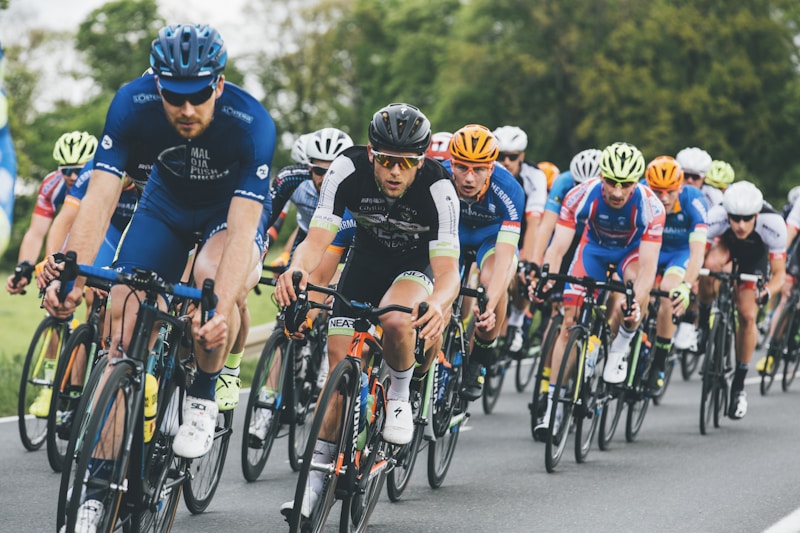
The Giro d'Italia (Italian for “Tour of Italy”) is an annual professional road cycling stage race that takes place primarily on Italian roads, with occasional forays into neighboring countries. Held over 21 stages in May and early June, the Giro challenges riders with a mix of flat sprinter stages, time trials, and some of the sport’s most demanding mountain passes—such as the Passo dello Stelvio, Monte Zoncolan, and Colle dell'Agnello. The race culminates in a dramatic finale in the historic city of Milan, where the coveted pink jersey (maglia rosa) is awarded to the overall leader.
Beyond the competition, the Giro is a cultural spectacle. It showcases Italy’s diverse geography—from the Alpine north to the sun‑kissed south—while drawing millions of spectators along the route and billions of viewers worldwide. The event is a showcase for sponsors, a testing ground for new cycling technology, and a career‑defining platform for riders seeking to etch their names alongside legends like Fausto Coppi, Eddy Merckx, and Alberto Contador.
History/Background
The Giro was conceived in 1908 by La Gazzetta dello Sport, a Milan‑based sports newspaper seeking to boost circulation. The inaugural edition, won by Luigi Ganna, covered 2,448 km in 14 stages and was a logistical marvel for its time, with riders navigating unpaved roads and rudimentary support. After a hiatus during World War I, the race returned in 1919 and quickly grew in stature.Key milestones include the introduction of the maglia rosa in 1931 (mirroring the newspaper’s pink pages), the first televised coverage in 1955, and the expansion to a three‑week format in 1962, aligning the Giro with the Tour de France and Vuelta a España as a Grand Tour. The 1970s and 1980s saw the rise of Italian icons Felice Gimondi and Francesco Moser, while the 1990s ushered in a new era of international dominance with riders like Marco Pantani, whose 1998 double victory (Giro and Tour) captured global imagination.
The 21st century has been marked by heightened anti‑doping measures, the inclusion of women’s events (the Giro Donne), and innovative route designs that emphasize sustainability and fan engagement. The 2023 edition, for example, featured a historic stage that started on the Dolomites and finished on the Sicilian coast, underscoring the race’s evolving narrative.
Key Information
- Duration & Distance: 21 stages, typically 3,300–3,500 km, over 23 days (including two rest days). - Jerseys: * Maglia Rosa – overall leader (lowest cumulative time). * Maglia Ciclamino – points classification (sprinters). * Maglia Azzurra – mountains classification (best climber). * Maglia Bianca – best young rider (under 25). - Record Holders: * Most Overall Wins: Alberto Contador, Fausto Coppi, Eddy Merckx, and Gino Bartali each with 5 victories. * Most Stage Wins: Mario Cipollini (42 stage victories). * Fastest Average Speed: Vincenzo Nibali (2020) at 41.2 km/h. - Notable Routes: The Cima Coppi—the highest point each edition—has included the Stelvio Pass (2,757 m) and the Gavia Pass (2,621 m). - Economic Impact: The Giro generates an estimated €150 million annually for host towns through tourism, hospitality, and global media exposure.Significance
The Giro d'Italia is more than a race; it is a living chronicle of Italian identity, engineering prowess, and sporting excellence. Its pink jersey symbolizes the passionate fervor of Italian fans, while the grueling mountain stages test the limits of human endurance, inspiring countless athletes worldwide. The Giro has propelled the careers of riders who later become ambassadors for the sport, influencing training methodologies, bike aerodynamics, and nutrition science.Culturally, the race stitches together regional rivalries and unity, bringing together the Alpine north, the industrial heartland, and the Mediterranean south in a shared narrative of competition and celebration. The event also serves as a platform for social initiatives—such as road safety campaigns and environmental stewardship—leveraging its massive audience to promote public good.
In the broader context of professional cycling, the Giro remains a critical component of the UCI WorldTour, shaping the season’s rankings and influencing team strategies for the Grand Tour calendar. Its legacy endures in the stories of heroic breakaways, tragic crashes, and moments of pure athletic poetry that continue to captivate fans across generations.
INFOBOX:
- Name: Giro d'Italia
- Type: Professional road cycling Grand Tour
- Date: Annually, late May–early June (21 stages)
- Location: Primarily Italy (occasionally neighboring countries)
- Known For: Pink jersey (maglia rosa), iconic mountain stages, historic Italian scenery
TAGS: cycling, grand tour, professional sport, Italy, road race, endurance, sports history, athletics


