




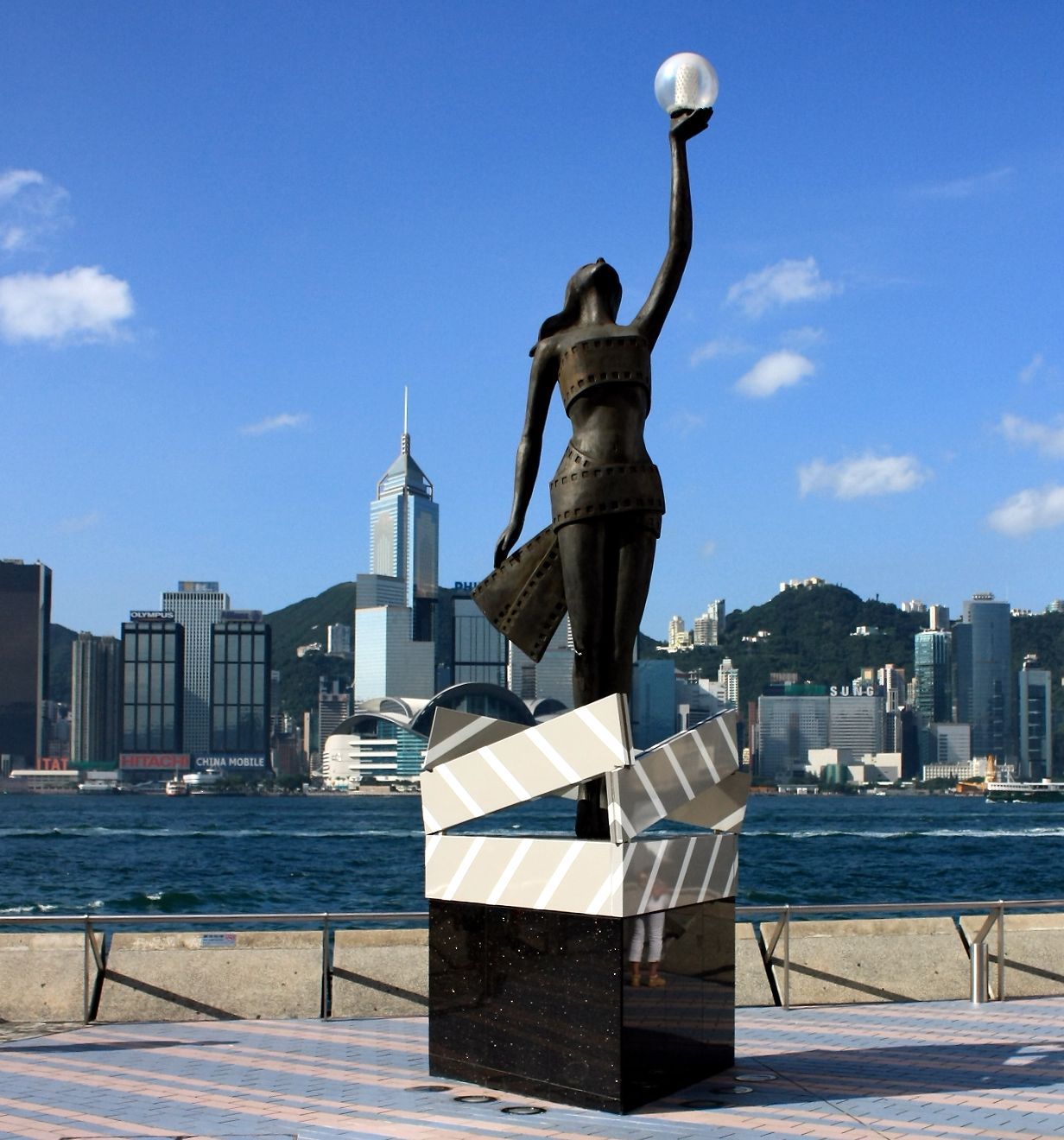
Hong Kong Cinema
The Hong Kong cinema is a significant thread in the history of Chinese-language cinema, characterized by its unique blend of traditional and modern elements, and its contributions to the global film industry.
Hong Kong cinema has a rich history dating back to the early 20th century, with the first film produced in 1909. The industry flourished in the 1950s and 1960s, with the emergence of the Shaw Brothers studio, which became a major player in the production of martial arts films. The 1970s and 1980s saw the rise of the "Golden Age" of Hong Kong cinema, with the work of directors such as John Woo, Ringo Lam, and Tsui Hark. This period is notable for its innovative storytelling, stylish visuals, and influential action sequences.
The 1990s and 2000s saw a shift towards more commercial and formulaic filmmaking, with the rise of the "heroic bloodshed" genre and the work of directors such as Johnnie To and Andrew Lau. Despite this, Hong Kong cinema continued to produce innovative and critically acclaimed films, such as Wong Kar-wai's "Chungking Express" and "In the Mood for Love". Today, Hong Kong cinema remains a significant force in the global film industry, with many of its films gaining international recognition and acclaim.
History
Hong Kong cinema has a long and complex history, with its development influenced by a range of factors, including colonialism, cultural identity, and economic conditions. The first film produced in Hong Kong was in 1909, and the industry grew rapidly in the 1920s and 1930s, with the establishment of the Shaw Brothers studio in 1925. The studio became a major player in the production of martial arts films, and its influence can still be seen in the work of many contemporary Hong Kong filmmakers.
The 1950s and 1960s saw the emergence of the "Three Brothers" studio, which produced a range of films, including comedies, dramas, and action movies. This period is notable for its innovative storytelling and stylish visuals, and it laid the groundwork for the "Golden Age" of Hong Kong cinema in the 1970s and 1980s. The 1970s and 1980s saw the rise of a new generation of filmmakers, including John Woo, Ringo Lam, and Tsui Hark, who pushed the boundaries of the genre and created some of the most influential films in Hong Kong cinema's history.
Style and Influence
Hong Kong cinema is known for its unique blend of traditional and modern elements, which reflects the city's cultural identity and its position as a global hub. The industry has been influenced by a range of factors, including Chinese opera, martial arts, and Western cinema. The films themselves often combine elements of action, comedy, drama, and romance, and they frequently feature complex characters, intricate plotlines, and innovative special effects.
Hong Kong cinema has had a significant influence on the global film industry, with many of its films gaining international recognition and acclaim. The industry's innovative storytelling, stylish visuals, and influential action sequences have inspired filmmakers around the world, and its influence can be seen in a range of films, from Hollywood blockbusters to independent art house movies.
Notable Filmmakers
Hong Kong cinema has produced a range of notable filmmakers, including John Woo, Ringo Lam, Tsui Hark, Johnnie To, and Wong Kar-wai. These directors have made significant contributions to the industry, and their films have gained international recognition and acclaim. John Woo is known for his innovative action sequences and his influential films, such as "A Better Tomorrow" and "Hard Boiled". Ringo Lam is notable for his gritty, realistic style and his influential films, such as "City on Fire" and "Full Contact". Tsui Hark is known for his innovative storytelling and his influential films, such as "A Chinese Ghost Story" and "Once Upon a Time in China".
Legacy
Hong Kong cinema has left a lasting legacy on the global film industry, with its innovative storytelling, stylish visuals, and influential action sequences inspiring filmmakers around the world. The industry's influence can be seen in a range of films, from Hollywood blockbusters to independent art house movies, and its legacy continues to be felt today. Despite the challenges faced by the industry in recent years, including the impact of the SARS outbreak and the global financial crisis, Hong Kong cinema remains a significant force in the global film industry, with many of its films gaining international recognition and acclaim.
Criticism and Controversy
Hong Kong cinema has faced criticism and controversy over the years, including accusations of excessive violence and sexism. The industry has also been criticized for its commercialism and its reliance on formulaic storytelling. However, many of these criticisms are based on a misunderstanding of the industry and its cultural context, and they do not reflect the complexity and diversity of Hong Kong cinema.


