




Impressionism
Impressionism is a 19th-century art movement characterized by its emphasis on capturing the fleeting effects of light and color in outdoor settings, often using short, broken brushstrokes and vivid, unblended colors. Emerging in France in the late 19th century, Impressionism revolutionized the way artists depicted reality, shifting the focus from traditional, highly detailed representations of the world to a more spontaneous and expressive approach. This movement not only transformed the art world but also had a profound impact on the development of modern art, influencing a wide range of styles and movements, from Expressionism to Abstract Expressionism.
The Impressionist movement was born out of a desire to break free from the conventions of traditional French art, which emphasized historical and mythological subjects, as well as the use of highly detailed, realistic techniques. In the 1860s and 1870s, a group of artists, including Claude Monet, Pierre-Auguste Renoir, and Mary Cassatt, began to experiment with new ways of capturing light and color in their paintings. They drew inspiration from the works of the Old Masters, such as Rembrandt and Vermeer, but also from the rapidly changing urban landscape of Paris, which was undergoing a period of rapid modernization and industrialization.
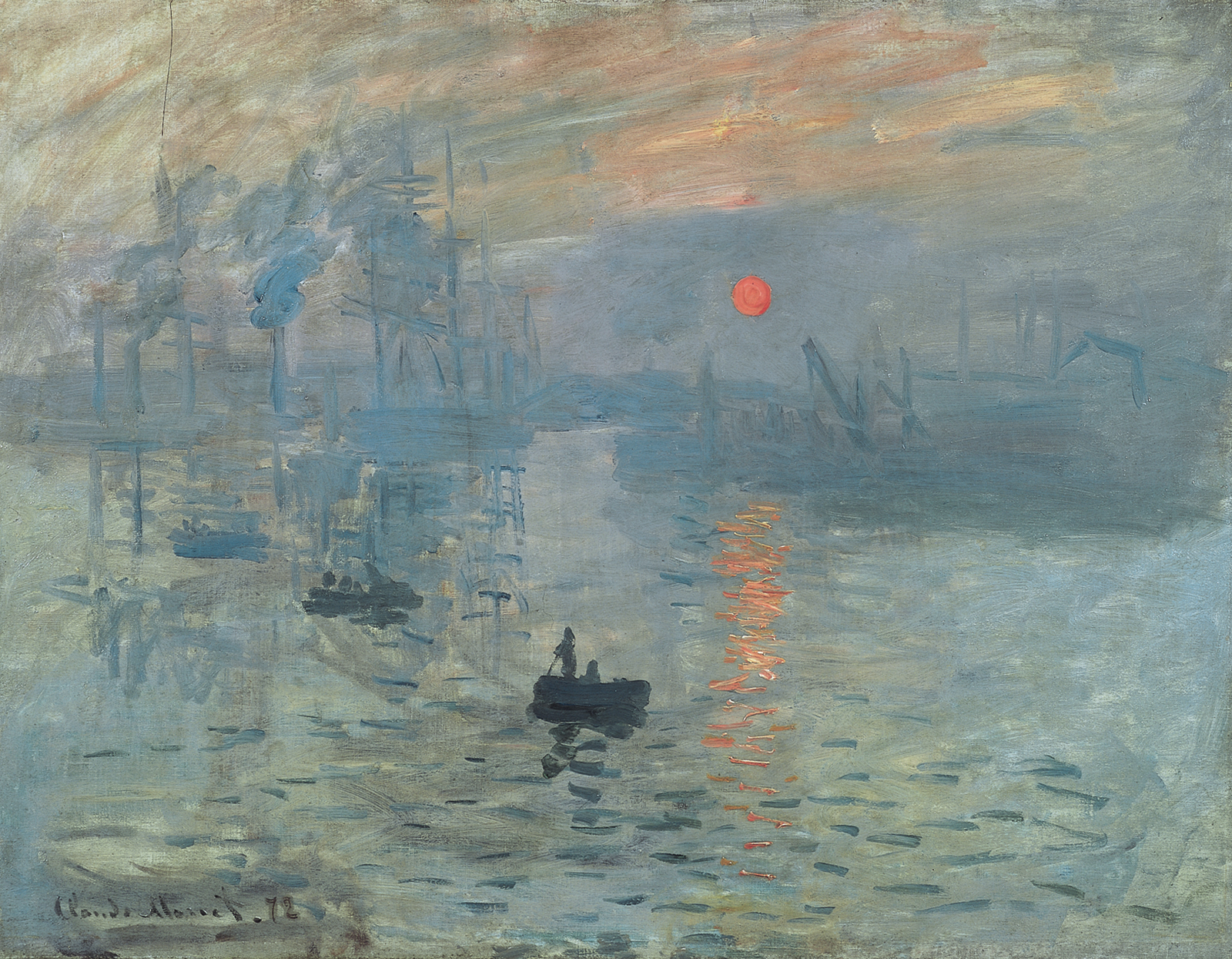
The Impressionists' innovative approach to art was not without controversy, however. Their rejection of traditional techniques and their focus on capturing the fleeting effects of light and color were seen as radical and even scandalous by many of their contemporaries. The movement's name, "Impressionism," was actually coined by art critic Louis Leroy in 1874, in reference to Monet's painting "Impression, Sunrise," which was exhibited at the first Impressionist exhibition in Paris. Despite the initial backlash, the Impressionists continued to push the boundaries of art, paving the way for a wide range of modern art movements and styles.
History
The Impressionist movement emerged in the late 19th century, during a period of rapid modernization and industrialization in France. The country was undergoing a period of significant social and economic change, with the rise of the middle class and the growth of cities like Paris. This changing urban landscape provided a rich source of inspiration for the Impressionists, who were drawn to the vibrant colors and lively atmosphere of the city.
The first Impressionist exhibition was held in Paris in 1874, and it was a major success, attracting a large and enthusiastic audience. The exhibition featured the works of a group of artists, including Monet, Renoir, and Cassatt, who were united by their desire to break free from traditional techniques and to capture the fleeting effects of light and color in their paintings. The exhibition was a turning point for the Impressionist movement, marking the beginning of a new era in art that would have a profound impact on the development of modern art.
Key Figures
Claude Monet was one of the leading figures of the Impressionist movement, and his paintings are some of the most iconic and enduring images of the period. Monet's innovative approach to capturing light and color was characterized by his use of short, broken brushstrokes and vivid, unblended colors. His paintings, such as "Impression, Sunrise" and "Water Lilies," are renowned for their sense of movement and their ability to capture the fleeting effects of light and color.
Pierre-Auguste Renoir was another key figure of the Impressionist movement, and his paintings are known for their sense of warmth and their emphasis on the human figure. Renoir's innovative approach to capturing light and color was characterized by his use of soft, feathery brushstrokes and his emphasis on the emotional and psychological aspects of his subjects.
Mary Cassatt was an American artist who was a key figure of the Impressionist movement in France. Cassatt's innovative approach to capturing light and color was characterized by her use of short, broken brushstrokes and her emphasis on the emotional and psychological aspects of her subjects. Her paintings, such as "The Boating Party" and "Little Girl in a Blue Armchair," are renowned for their sense of intimacy and their ability to capture the fleeting effects of light and color.
Legacy
The Impressionist movement had a profound impact on the development of modern art, influencing a wide range of styles and movements, from Expressionism to Abstract Expressionism. The movement's emphasis on capturing the fleeting effects of light and color paved the way for a wide range of modern art movements, including Fauvism, Cubism, and Surrealism.
The Impressionist movement also had a significant impact on the development of photography, which was a relatively new medium at the time. The Impressionists' innovative approach to capturing light and color was influenced by the work of photographers, such as Eugène Atget and Étienne-Jules Marey, who were experimenting with new techniques and technologies.
Criticism and Controversy
The Impressionist movement was not without controversy, however. The movement's rejection of traditional techniques and its emphasis on capturing the fleeting effects of light and color were seen as radical and even scandalous by many of their contemporaries. The movement's name, "Impressionism," was actually coined by art critic Louis Leroy in 1874, in reference to Monet's painting "Impression, Sunrise," which was exhibited at the first Impressionist exhibition in Paris.
The Impressionists were also criticized for their lack of attention to detail and their emphasis on capturing the fleeting effects of light and color. Some critics saw their paintings as lacking in depth and substance, and as being overly focused on surface-level effects.


