




Inuit Art
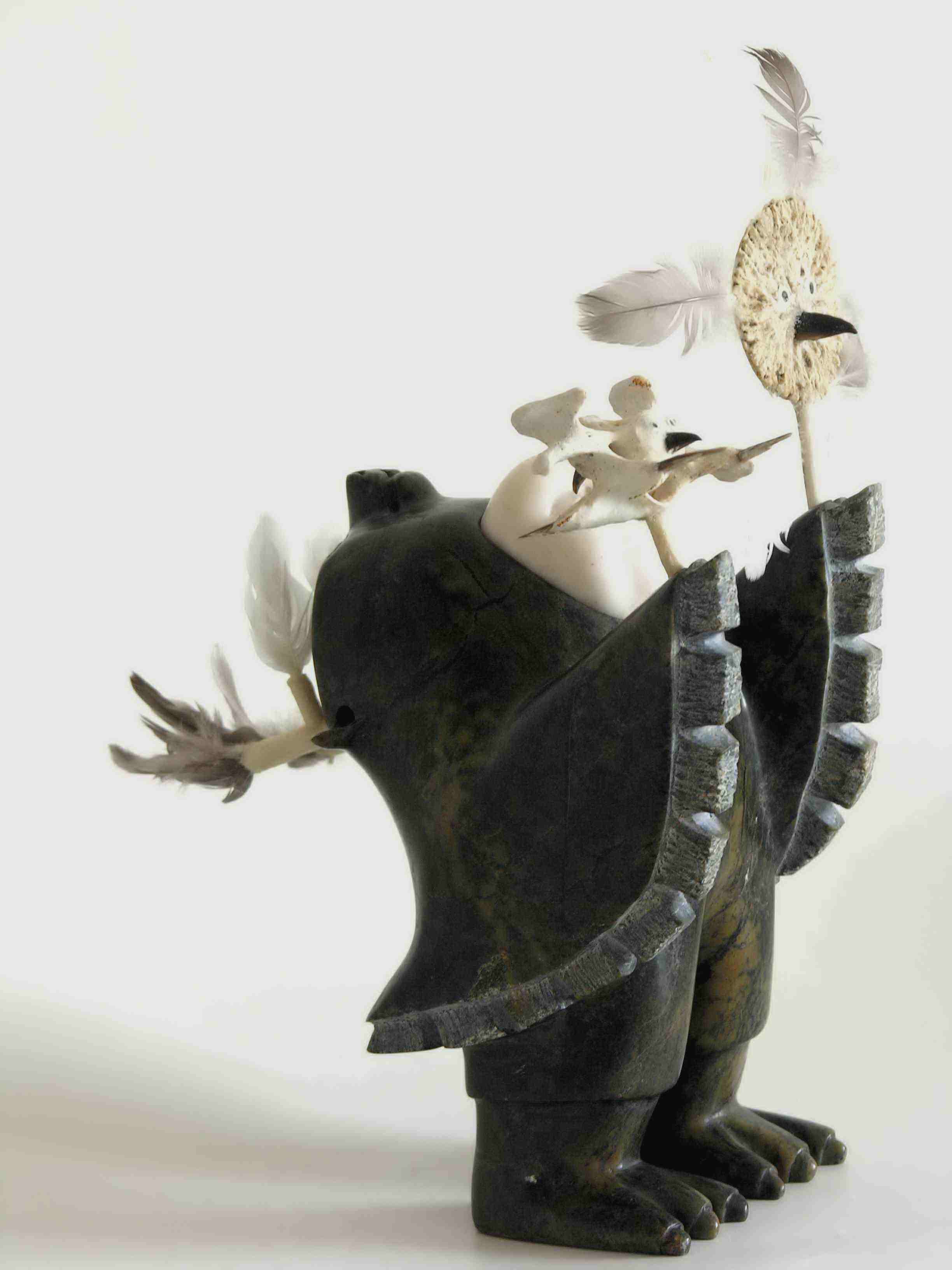
Inuit art, also known as Eskimo art, is a unique and diverse form of artistic expression produced by the Inuit, previously known as Eskimos, and other related circumpolar peoples. This ancient art form has a rich history, spanning thousands of years, and has evolved over time, influenced by various cultural and environmental factors. Inuit art is characterized by its use of traditional materials such as walrus ivory, as well as more modern mediums like prints and figurative works carved in relatively soft stone. The art form has gained significant recognition and popularity globally, with many Inuit artists achieving international acclaim.
The Inuit people have a long history of creating art, with evidence of their artistic expression dating back to the Paleo-Eskimo period, around 2500 BCE. During this time, the Inuit people created intricate carvings and sculptures from whalebone and other materials. As the Inuit people migrated and settled in different regions, their art form evolved, incorporating new materials and techniques. The introduction of European goods and technologies in the 19th century had a significant impact on Inuit art, leading to the development of new styles and mediums.
Inuit art has played a vital role in the cultural and economic development of the Inuit people. The art form has provided a means of expression, storytelling, and communication, allowing the Inuit people to share their experiences, traditions, and values with others. Inuit art has also become a significant source of income for many Inuit communities, with many artists selling their work globally. The art form has gained recognition and respect, with many Inuit artists achieving international acclaim and recognition.
History
The history of Inuit art dates back to the Paleo-Eskimo period, around 2500 BCE. During this time, the Inuit people created intricate carvings and sculptures from whalebone and other materials. The Inuit people continued to develop their art form over time, incorporating new materials and techniques. The introduction of European goods and technologies in the 19th century had a significant impact on Inuit art, leading to the development of new styles and mediums.
In the early 20th century, Inuit art began to gain recognition globally. The establishment of the Canadian Handicrafts Board in 1937 provided a platform for Inuit artists to showcase their work. The board's efforts led to the development of a thriving Inuit art market, with many artists selling their work globally. The establishment of southern markets for Inuit art in 1945 further increased the art form's popularity, leading to the development of new styles and mediums.
Early Inuit Art
Early Inuit art was characterized by its use of traditional materials such as whalebone, ivory, and stone. The art form was often used for functional purposes, such as creating tools and utensils. However, Inuit art also served as a means of expression, storytelling, and communication. Inuit artists created intricate carvings and sculptures that depicted their daily lives, myths, and legends.
European Influence
The introduction of European goods and technologies in the 19th century had a significant impact on Inuit art. European traders and missionaries introduced new materials and techniques, leading to the development of new styles and mediums. Inuit artists began to incorporate European materials such as metal, glass, and fabric into their work. The introduction of European styles and techniques also led to the development of new forms of Inuit art, such as printmaking and figurative sculpture.
Materials and Techniques
Inuit art is characterized by its use of traditional materials such as walrus ivory, whalebone, and stone. The art form has also incorporated more modern mediums such as prints and figurative works carved in relatively soft stone. Inuit artists have developed a range of techniques to work with these materials, including carving, sculpting, and printmaking.
Traditional Materials
Traditional Inuit materials include walrus ivory, whalebone, and stone. These materials have been used for centuries to create a range of art forms, from intricate carvings to sculptures. Inuit artists have developed a range of techniques to work with these materials, including carving, sculpting, and polishing.
Modern Materials
In recent years, Inuit artists have begun to incorporate more modern materials into their work, including prints and figurative works carved in relatively soft stone. These materials have allowed Inuit artists to experiment with new styles and techniques, leading to the development of new forms of Inuit art.
Significance and Impact
Inuit art has played a vital role in the cultural and economic development of the Inuit people. The art form has provided a means of expression, storytelling, and communication, allowing the Inuit people to share their experiences, traditions, and values with others. Inuit art has also become a significant source of income for many Inuit communities, with many artists selling their work globally.
Cultural Significance
Inuit art is an important part of Inuit culture and identity. The art form has been used for centuries to tell stories, share traditions, and communicate values. Inuit art has also played a significant role in the preservation of Inuit language and culture.
Economic Impact
Inuit art has become a significant source of income for many Inuit communities. The art form has allowed Inuit artists to earn a living and support their families. Inuit art has also contributed to the economic development of Inuit communities, providing a source of revenue and employment.
Criticism and Controversy
Inuit art has faced criticism and controversy over the years. Some critics have argued that Inuit art is overly commercialized, with many artists producing work solely for financial gain. Others have argued that Inuit art is not authentic, with many artists incorporating European styles and techniques into their work.
Authenticity
One of the main criticisms of Inuit art is the issue of authenticity. Some critics argue that Inuit art is not authentic, with many artists incorporating European styles and techniques into their work. This has led to debates about the definition of Inuit art and what constitutes authentic Inuit art.
Commercialization
Another criticism of Inuit art is the issue of commercialization. Many Inuit artists have been accused of producing work solely for financial gain, rather than for artistic expression. This has led to debates about the role of art in Inuit culture and the impact of commercialization on Inuit art.


