




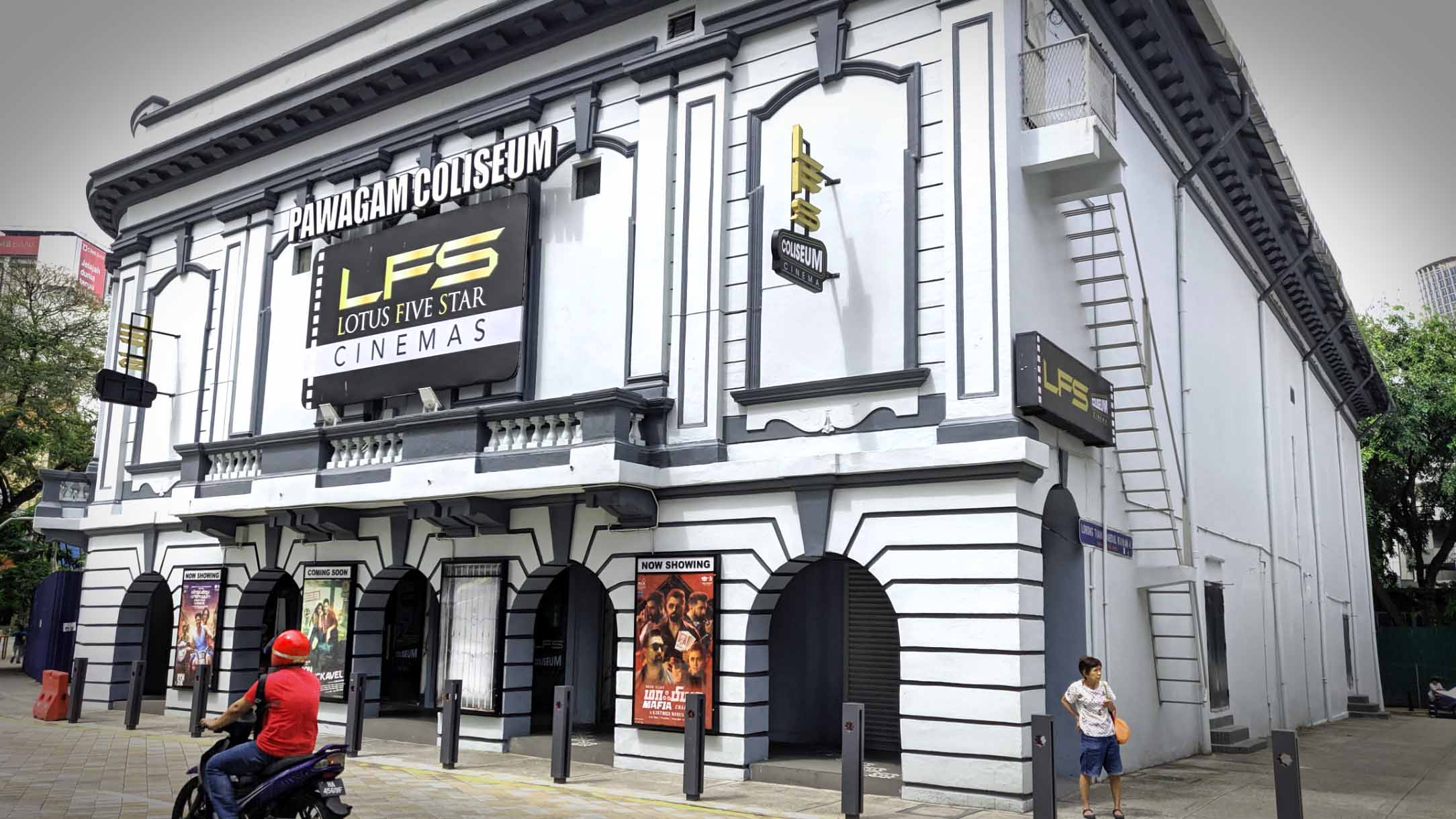
Malaysian Cinema
Malaysian Cinema refers to the film industry of Malaysia, which has a rich history dating back to the early 20th century. The industry has produced a diverse range of films in various languages, including Malay, Arabic, Mandarin, Cantonese, Tamil, indigenous languages, and English. Malaysian cinema has played a significant role in shaping the country's cultural identity and has contributed to the development of Southeast Asian cinema as a whole.
Malaysian cinema has undergone significant changes over the years, from its early days as a colonial-era entertainment industry to its current status as a major player in the global film market. The industry has produced a wide range of films, from traditional Malay dramas to modern action movies and documentaries. Malaysian cinema has also been influenced by international film trends, with many local filmmakers incorporating elements of global cinema into their work.
Despite facing challenges such as censorship and limited funding, Malaysian cinema has continued to thrive, producing a new generation of talented filmmakers and actors. The industry has also been recognized internationally, with many Malaysian films winning awards at film festivals around the world.
History
Malaysian cinema has a long and complex history that spans over a century. The first film screenings in Malaysia took place in the early 1900s, with the first film studio established in 1928. During the colonial era, Malaysian cinema was primarily used as a tool for propaganda and entertainment, with many films promoting British colonial values and culture.
After Malaysia gained independence in 1957, the film industry began to take on a more nationalistic tone, with many films focusing on themes of Malay culture and identity. The 1960s and 1970s saw the rise of Malaysian cinema as a major player in Southeast Asian film, with films such as "P. Ramlee's" "Seniman Bujang Lapok" (1959) and "Hang Tuah" (1962) becoming classics of the genre.
Language and Culture
Malaysian cinema is characterized by its use of multiple languages, including Malay, Arabic, Mandarin, Cantonese, Tamil, indigenous languages, and English. The industry has produced a wide range of films in these languages, catering to the diverse cultural and linguistic needs of the Malaysian population.
Malay cinema, in particular, has played a significant role in shaping the country's cultural identity. Many Malay films focus on themes of Malay culture and identity, exploring issues such as tradition, modernity, and social change. The use of Malay language and culture in Malaysian cinema has also helped to promote national unity and cohesion.
Notable Filmmakers and Actors
Malaysian cinema has produced a number of notable filmmakers and actors, including:
* P. Ramlee, a legendary filmmaker and actor who directed and starred in many classic Malaysian films.
* M. Sathiyam, a renowned filmmaker who has directed films such as "Kaki Bakar" (1986) and "Sembilu" (1994).
* Bront Palarae, a critically acclaimed actor and director who has appeared in films such as "Gol & Gincu" (2005) and "Bunohan" (2011).
* Tan Chui Mui, a pioneering female filmmaker who has directed films such as "Lelaki, Isteri dan Derita Nona" (2009) and "Nasi Lemak 2.0" (2011).
Awards and Recognition
Malaysian cinema has received international recognition, with many local films winning awards at film festivals around the world. Some notable awards and recognition include:
* Golden Screen Award, a prestigious award given to outstanding Malaysian films.
* Malaysian Film Festival, an annual festival that showcases the best of Malaysian cinema.
* Southeast Asian Film Festival, a regional festival that celebrates the best of Southeast Asian cinema.


