




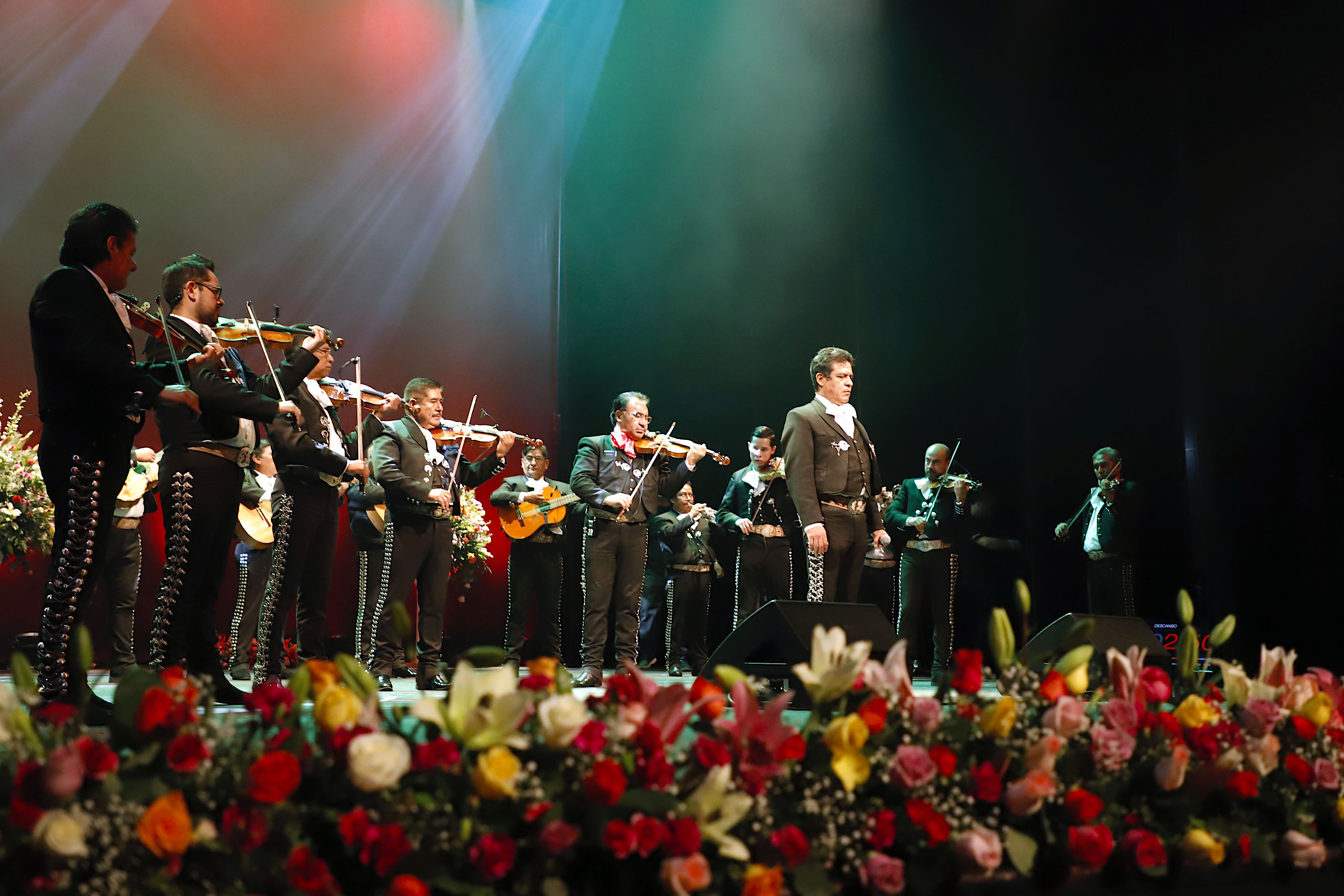
Mariachi
Mariachi is a genre of regional Mexican music that has been a cornerstone of Mexican culture for centuries, originating in the countryside of western Mexico and evolving over time to become a beloved and iconic part of the country's musical heritage.
The traditional mariachi group consists of a diverse range of instruments, including violins, trumpets, guitars, and a unique instrument known as the vihuela, which is a high-pitched stringed instrument that is an essential component of the mariachi sound. The group's music is characterized by its lively rhythms, intricate harmonies, and heartfelt ballads, which often focus on themes of love, loss, and social commentary. Mariachi music has been a staple of Mexican culture for generations, and its popularity has spread far beyond the country's borders, with mariachi groups performing in cities and towns around the world.
Despite its widespread popularity, mariachi music remains a deeply rooted and authentic expression of Mexican culture, with its roots in the country's rich musical heritage. From its origins in the countryside of western Mexico to its current status as a global phenomenon, mariachi music has evolved over time to become a unique and distinctive genre that is both deeply rooted in tradition and constantly evolving.
History
Mariachi music has a long and storied history that dates back to the 18th century, when it originated in the countryside of western Mexico. During this time, mariachi groups were known as "charros," and they were composed of skilled musicians who played a variety of instruments, including guitars, violins, and trumpets. The music of these early mariachi groups was characterized by its lively rhythms and heartfelt ballads, which often focused on themes of love, loss, and social commentary.
Over time, mariachi music evolved and spread throughout Mexico, with groups performing in cities and towns across the country. In the late 19th and early 20th centuries, mariachi music became a popular form of entertainment in Mexico City, with groups performing in theaters, restaurants, and other public venues. During this time, mariachi music also began to incorporate new instruments and styles, including the use of electric guitars and the development of new musical arrangements.
Instruments and Performance
The traditional mariachi group consists of a diverse range of instruments, including violins, trumpets, guitars, and a unique instrument known as the vihuela. The vihuela is a high-pitched stringed instrument that is an essential component of the mariachi sound, and it is played by plucking the strings with the fingers. The guitar is also an essential component of the mariachi group, and it is often played by a soloist or in combination with the vihuela.
The trumpet is another important instrument in the mariachi group, and it is often used to add a bright and lively sound to the music. The trumpet is typically played by a soloist, and it is often used to play the melody or to add a solo to the music. The bass guitar, known as the guitarrón, is also an essential component of the mariachi group, and it provides the low-pitched foundation for the music.
Styles and Sub-Genres
Mariachi music has evolved over time to include a wide range of styles and sub-genres. Some of the most popular styles of mariachi music include:
* Norteño: This style of mariachi music originated in the northern part of Mexico and is characterized by its fast-paced rhythms and lively instrumentation.
* Sinaloense: This style of mariachi music originated in the state of Sinaloa and is characterized by its soulful ballads and heartfelt lyrics.
* Jalisciense: This style of mariachi music originated in the state of Jalisco and is characterized by its lively rhythms and intricate harmonies.
Cultural Significance
Mariachi music has played a significant role in Mexican culture for generations, and it continues to be an important part of the country's musical heritage. Mariachi music is often performed at social gatherings and celebrations, such as weddings and holidays, and it is also a popular form of entertainment in restaurants and bars.
In addition to its cultural significance, mariachi music has also played a significant role in the development of Mexican identity and national pride. Mariachi music is often seen as a symbol of Mexican culture and tradition, and it continues to be an important part of the country's musical heritage.
Legacy
Mariachi music has had a lasting impact on the world of music, and it continues to be a popular and influential genre today. Mariachi music has influenced a wide range of musical styles, including rock, pop, and country, and it has also been the subject of numerous films, books, and documentaries.


