




Overview
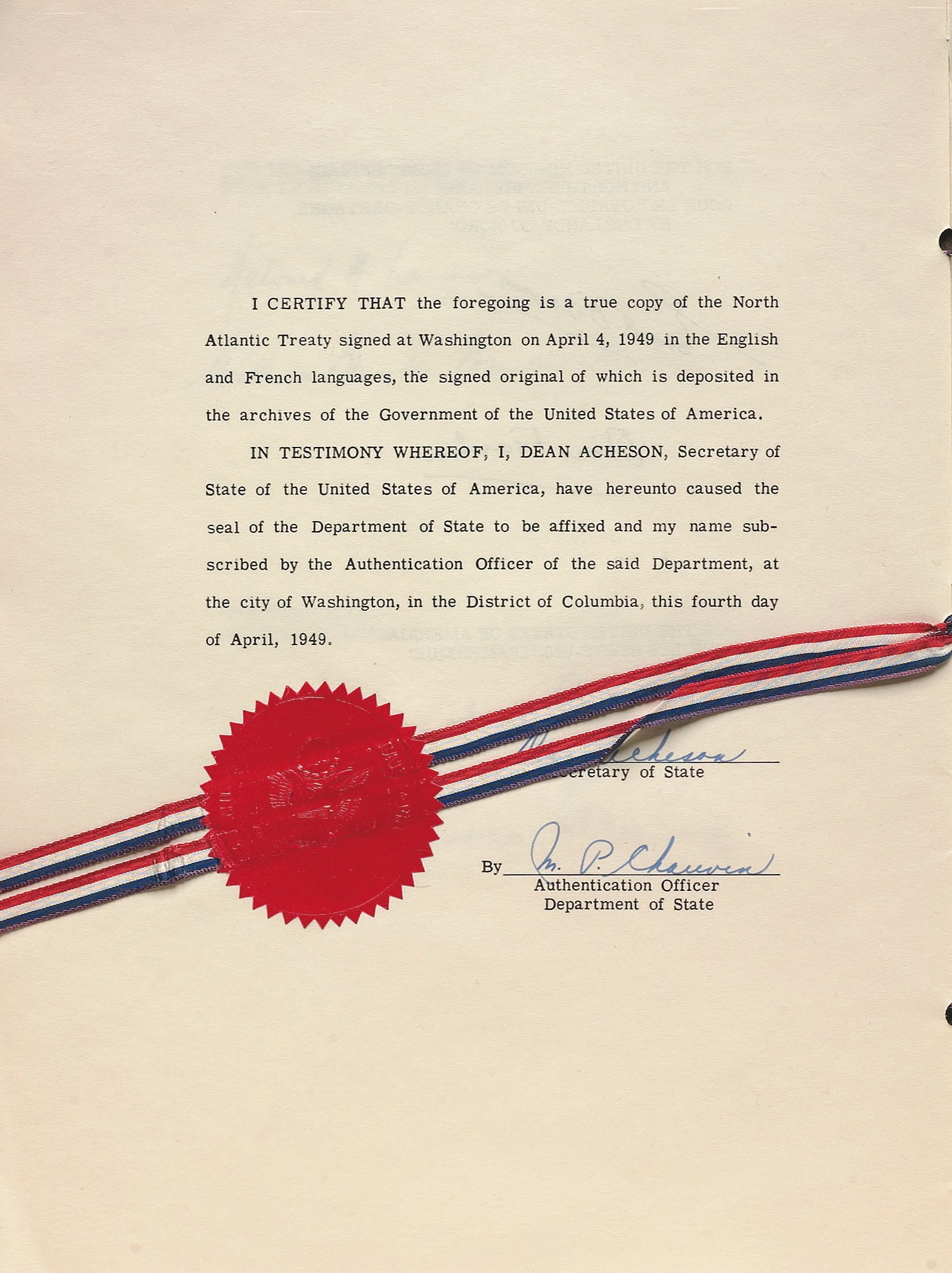
The NATO treaty is a foundational document that has shaped the global security landscape since its inception. The treaty was signed on April 4, 1949, in Washington, D.C., by 12 founding member countries, including Belgium, Canada, Denmark, France, Iceland, Italy, Luxembourg, the Netherlands, Norway, Portugal, the United Kingdom, and the United States. The treaty's primary purpose is to provide a collective defense alliance, where member countries agree to mutual defense in the event of an attack on any member state. This collective defense commitment is enshrined in Article 5 of the treaty, which states that an attack on one member state is considered an attack on all member states.The NATO treaty has undergone several revisions and updates since its signing, with the most significant revision being the addition of new member countries. Today, NATO has 30 member countries, including countries from Eastern Europe, the Baltic states, and the Balkans. The treaty has also been adapted to address emerging security challenges, such as terrorism, cyber threats, and hybrid warfare. The NATO treaty has played a crucial role in maintaining stability and security in the North Atlantic area, promoting democratic values, and fostering cooperation among its member countries.
The NATO treaty is based on several key principles, including collective defense, democracy, and individual liberty. The treaty emphasizes the importance of cooperation, consultation, and mutual assistance among member countries, with the aim of promoting peace, stability, and security in the region. The treaty also recognizes the importance of sovereignty and territorial integrity, emphasizing that member countries have the right to defend themselves and their territories against external threats.
History/Background
The NATO treaty was born out of the ashes of World War II, as European countries sought to create a collective defense alliance to counter the threat of Soviet expansion. The treaty was negotiated in the late 1940s, with the United States playing a key role in shaping the alliance. The treaty was signed on April 4, 1949, and came into effect on August 24, 1949. Since then, the treaty has undergone several revisions, including the addition of new member countries, the creation of new institutions, and the adaptation of the alliance to address emerging security challenges.The NATO treaty has a rich history, with several key milestones and events shaping the alliance. The Helsinki Accords of 1975 marked an important turning point in the history of the alliance, as it recognized the post-war borders in Europe and established the principle of non-interference in the internal affairs of other countries. The end of the Cold War in the late 1980s and early 1990s marked a significant shift in the alliance's focus, as NATO began to adapt to new security challenges, including terrorism, proliferation, and regional conflicts.
Key Information
The NATO treaty is based on several key articles, including Article 1, which commits member countries to settle disputes peacefully, and Article 5, which provides for collective defense in the event of an attack on a member state. The treaty also establishes the North Atlantic Council, which is the supreme decision-making body of the alliance. The NATO treaty has been adapted to address emerging security challenges, including the creation of the NATO Response Force, which is a rapid reaction force designed to respond to crises and emergencies.The NATO treaty has several key institutions, including the Supreme Headquarters Allied Powers Europe (SHAPE), which is the military headquarters of the alliance, and the NATO Parliamentary Assembly, which brings together parliamentarians from member countries to discuss security issues and promote cooperation. The treaty has also established several key partnerships, including the Partnership for Peace, which brings together NATO member countries and partner countries to promote cooperation and stability in the region.
Significance
The NATO treaty has played a crucial role in maintaining stability and security in the North Atlantic area, promoting democratic values, and fostering cooperation among its member countries. The treaty has provided a framework for collective defense, allowing member countries to pool their resources and capabilities to address common security challenges. The treaty has also promoted democracy, individual liberty, and sovereignty, recognizing the importance of these values in promoting peace and stability in the region.The NATO treaty has had a significant impact on international relations, shaping the global security landscape and promoting cooperation among countries. The treaty has provided a framework for addressing emerging security challenges, including terrorism, proliferation, and regional conflicts. The treaty has also promoted economic cooperation, recognizing the importance of economic stability and prosperity in promoting peace and security.


