
Overview
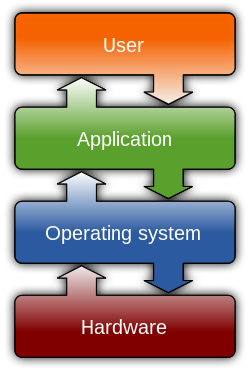
An operating system (OS) is the foundational software that manages a computer’s hardware and software resources, acting as a bridge between human users and machine operations. Without an OS, computers would be unusable, as it handles critical tasks like memory management, process scheduling, file storage, and device communication. From the earliest mainframes to today’s smartphones, operating systems have evolved to become indispensable, shaping how we interact with technology.Modern OSes like Windows, macOS, Linux, and Android are designed to balance performance, security, and user experience. For example, real-time operating systems (RTOS) power embedded devices like pacemakers, while mobile OSes prioritize touch interfaces and app ecosystems. The OS also enforces security protocols, preventing unauthorized access to sensitive data—a role that has grown increasingly vital in the age of cyber threats.
Background & Origins
The concept of an operating system emerged in the 1950s as computers transitioned from single-tasking machines to systems capable of running multiple programs. Early computers required manual configuration for each task, but pioneers like John Backus and IBM engineers developed batch processing systems to automate workflows. By the 1960s, time-sharing OSes like CTSS (1961) and Multics (1964) introduced multitasking, allowing multiple users to interact with a single computer simultaneously.The term “operating system” gained prominence with IBM’s OS/360 (1965), a groundbreaking suite that standardized software across its mainframe line. This innovation laid the groundwork for modern OS design, emphasizing compatibility and scalability.
Major Achievements & Milestones
Unix (1969): Developed at Bell Labs, Unix revolutionized computing with its portability, multitasking capabilities, and hierarchical file system. Its influence persists in Linux and macOS.Windows 1.0 (1985): Microsoft’s graphical OS brought personal computing to the masses, popularizing the GUI and setting the stage for the PC revolution.
Linux (1991): Linus Torvalds’ open-source kernel democratized OS development, enabling collaborative innovation and powering servers, supercomputers, and IoT devices.
Timeline
- 1950s: Batch processing systems streamline computer workflows. - 1964: Multics project launches, inspiring future multitasking OSes. - 1969: Unix is developed, becoming a cornerstone of modern computing. - 1985: Windows 1.0 introduces graphical interfaces to mainstream users. - 1991: Linux is released, reshaping software development through open-source collaboration.Impact & Legacy
Operating systems are the unsung heroes of the digital age, enabling everything from web browsing to AI research. They define user experiences, underpin enterprise infrastructure, and secure global data. The rise of mobile OSes like Android and iOS has further embedded OS technology into daily life, connecting billions to the digital world.Records & Notable Facts
- Windows holds the largest desktop OS market share, while Linux dominates servers and supercomputers. - The first OS, GM-NAA I/O (1956), required punch cards to operate. - Android powers over 2.5 billion devices, making it the most widely used mobile OS.> "The operating system is the soul of the computer." – Linus Torvalds