




Salsa music
Salsa music is a genre of dance music that originated in the Caribbean, primarily influenced by the musical traditions of Cuba, Puerto Rico, the Dominican Republic, and other countries in the region, where African cultural syncretism in music and dance blends with European influences and indigenous instruments, along with contributions from the contiguous United States. This vibrant and dynamic music style has evolved over time, incorporating various musical elements from different cultures and traditions, resulting in a unique sound that is both energetic and captivating.
Salsa music is characterized by its complex rhythms, melodic harmonies, and dynamic percussion, which are often accompanied by the sounds of brass instruments, woodwinds, and strings. The genre has undergone significant transformations over the years, influenced by various musical styles, including son montuno, son cubano, cha-cha-chá, bolero, rumba, mambo, jazz, R&B, bomba, plena, merengue, and pachanga. These diverse influences have contributed to the rich tapestry of salsa music, making it a fascinating and eclectic genre that continues to evolve and captivate audiences worldwide.
Salsa music has become an integral part of Latin American culture, with its energetic rhythms and infectious melodies captivating audiences across the globe. From its humble beginnings in the Caribbean to its current status as a global phenomenon, salsa music has undergone significant transformations, incorporating various musical styles and influences along the way. This article will explore the history, evolution, and significance of salsa music, examining its origins, key musical elements, and impact on popular culture.
History
Salsa music has its roots in the Caribbean, where African, European, and indigenous influences blended together to create a unique musical style. The genre emerged in the 1940s and 1950s, primarily in Cuba and Puerto Rico, where musicians began experimenting with new rhythms and melodies. One of the earliest forms of salsa music was the son montuno, a style that originated in Cuba and featured complex rhythms and melodic harmonies. The son montuno was later influenced by other musical styles, including cha-cha-chá, bolero, and rumba, which became integral components of salsa music.
In the 1950s and 1960s, salsa music began to gain popularity in the United States, particularly in cities with large Latin American populations, such as New York City and Miami. Musicians like Tito Puente, Celia Cruz, and Willie Colón became household names, introducing salsa music to a wider audience and paving the way for its global popularity. The genre continued to evolve in the 1970s and 1980s, incorporating elements of jazz, R&B, and rock music, which further expanded its appeal and diversity.
Musical Elements
Salsa music is characterized by its complex rhythms, melodic harmonies, and dynamic percussion. The genre typically features a combination of instruments, including brass, woodwinds, strings, and percussion, which work together to create a rich and layered sound. Some of the key musical elements of salsa music include:
Rhythms
Salsa music is known for its complex and dynamic rhythms, which are often characterized by rapid-fire percussion and intricate melodic patterns. The genre features a range of rhythms, including the son montuno, cha-cha-chá, bolero, and rumba, each with its unique characteristics and nuances.
Melodies
Salsa music often features catchy and memorable melodies, which are often sung by the lead vocalist or instrumentalist. The melodies are typically characterized by a mix of stepwise motion and leaps, creating a sense of tension and release that adds to the overall energy and excitement of the music.
Percussion
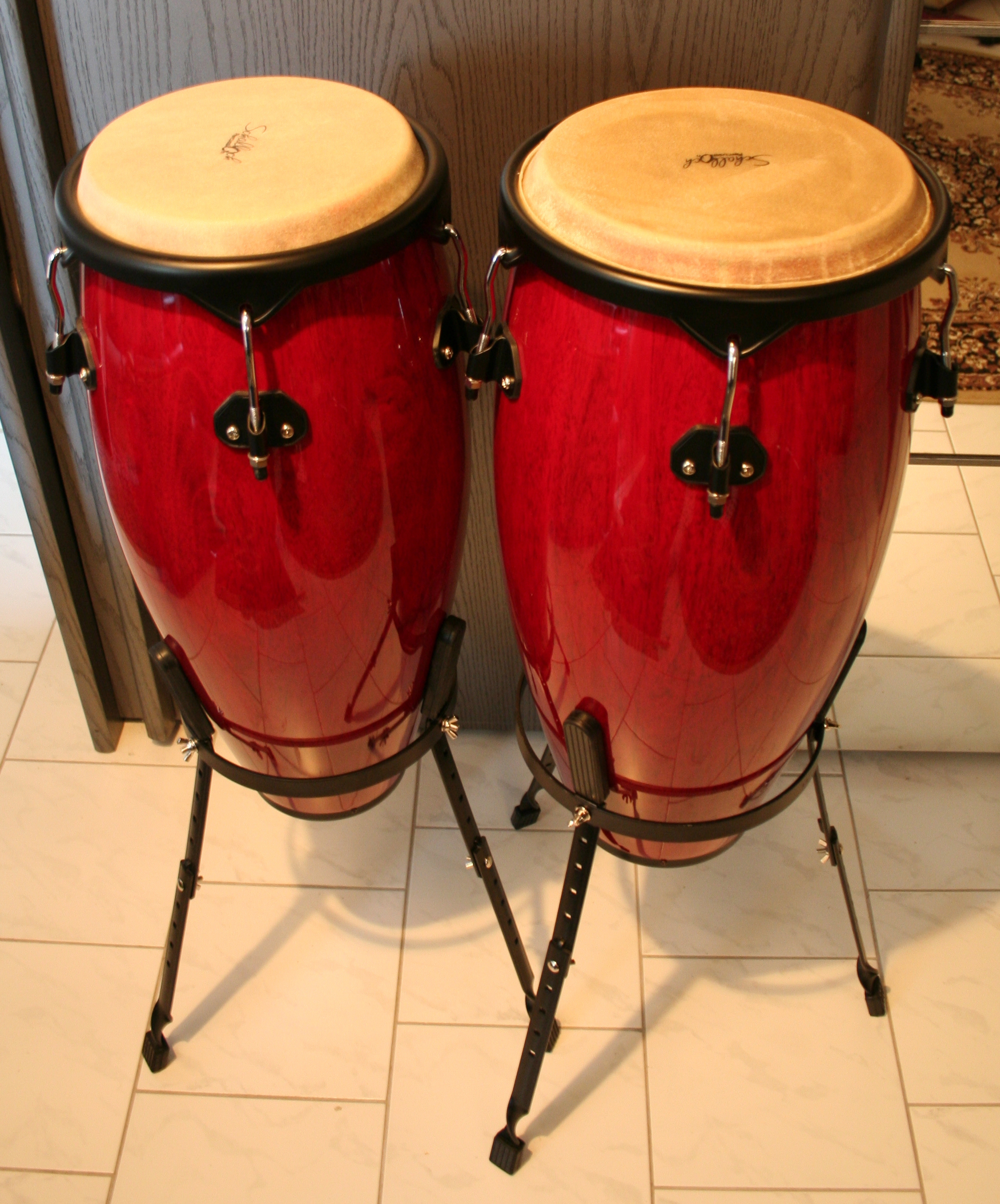
Percussion is a crucial element of salsa music, providing the driving rhythm and energy that defines the genre. The percussion section typically includes a combination of instruments, including congas, timbales, bongos, and cowbells, each with its unique sound and rhythmic characteristics.
Significance and Impact
Salsa music has had a profound impact on popular culture, influencing a wide range of musical genres and styles. The genre has also played a significant role in promoting Latin American culture and identity, providing a platform for artists to express themselves and share their experiences with the world.
Salsa music has also been recognized for its therapeutic benefits, with studies showing that listening to salsa music can improve mood, reduce stress, and increase energy levels. The genre has also been used in physical therapy and rehabilitation programs, helping patients to improve their coordination and balance.
Criticism and Controversy
Despite its popularity and influence, salsa music has faced criticism and controversy over the years. Some critics have argued that the genre is too commercialized, with artists prioritizing profit over artistic expression. Others have criticized the genre for its perceived lack of authenticity, arguing that it has been watered down by its incorporation of non-Latin American influences.
Legacy
Salsa music has left a lasting legacy on popular culture, influencing a wide range of musical genres and styles. The genre has also played a significant role in promoting Latin American culture and identity, providing a platform for artists to express themselves and share their experiences with the world.


