



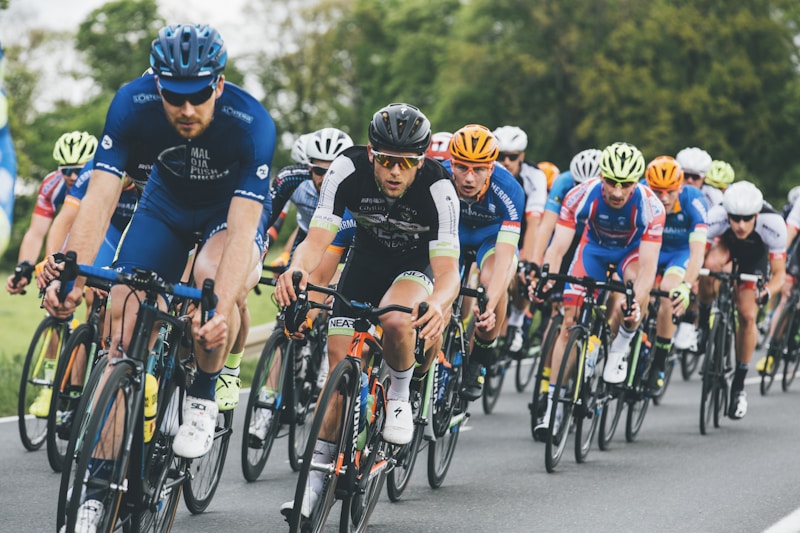

Sports Encyclopedia Entry 1779285184
SUMMARY: The Tour de France, a prestigious annual multi-stage bicycle race, is one of the most iconic and grueling sporting events in the world, attracting top cyclists from around the globe.
Overview
The Tour de France is a grueling, 21-stage bicycle race that takes place in France and surrounding countries, typically held over a period of three weeks in July. The event is considered the pinnacle of professional road cycling, with the world's top riders competing for the coveted yellow jersey, which is awarded to the leader of the general classification. The Tour de France has a rich history dating back to 1903, and it has evolved over the years to become one of the most popular and highly anticipated sporting events in the world.
The Tour de France is not just a test of endurance and physical strength but also a showcase of strategy, tactics, and mental toughness. Cyclists must navigate treacherous mountain terrain, scorching heat, and unpredictable weather conditions, all while maintaining a high level of performance and pace. The event has been won by some of the greatest cyclists in history, including Eddy Merckx, Bernard Hinault, and Lance Armstrong, who have all left an indelible mark on the sport.
History/Background
The Tour de France was first organized in 1903 by the French sports newspaper L'Auto, with the aim of promoting the sport of cycling and boosting newspaper sales. The inaugural event was won by Maurice Garin, a French cyclist who completed the 2,428-kilometer course in six days, 37 hours, and 48 minutes. Over the years, the Tour de France has undergone numerous changes, including the introduction of new stages, the elimination of certain routes, and the implementation of safety measures to protect riders.
In the early years of the Tour de France, the event was marked by controversy and scandal, including the infamous 1919 Tour, which was marred by allegations of doping and cheating. However, the event has since become a model of integrity and fair play, with the introduction of strict anti-doping regulations and the implementation of advanced technology to detect and prevent cheating.
Key Information
- Distance: The Tour de France covers a distance of approximately 3,500 kilometers (2,200 miles) over 21 stages.
- Duration: The event typically takes place over a period of three weeks in July.
- Terrain: The Tour de France features a mix of flat, hilly, and mountainous terrain, including the famous Alpe d'Huez and Mont Ventoux climbs.
- Riders: The event attracts top cyclists from around the world, with a maximum of 22 teams and 198 riders competing in each edition.
- Jerseys: The Tour de France features four main jerseys: the yellow jersey (general classification), the green jersey (points classification), the polka-dot jersey (mountain classification), and the white jersey (young rider classification).
- Winners: The Tour de France has been won by some of the greatest cyclists in history, including Eddy Merckx, Bernard Hinault, and Lance Armstrong.
Significance
The Tour de France is more than just a sporting event; it is a cultural phenomenon that has captivated audiences around the world. The event has been the subject of numerous books, films, and documentaries, and it has inspired countless cyclists and fans to take up the sport. The Tour de France has also played a significant role in promoting French culture and tourism, with the event attracting millions of spectators and generating billions of dollars in revenue each year.
INFOBOX:
- Name: Tour de France
- Type: Multi-stage bicycle race
- Date: July (typically)
- Location: France and surrounding countries
- Known For: The most prestigious and grueling sporting event in the world
TAGS: Tour de France, cycling, bicycle racing, France, sports, endurance, strategy, tactics, mental toughness


