




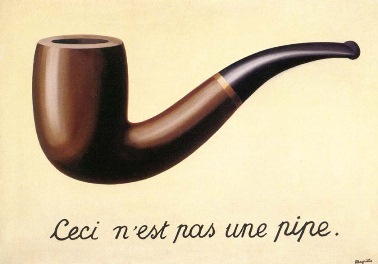
Surrealism
Surrealism is a revolutionary art and cultural movement that emerged in Europe in the aftermath of World War I, characterized by its emphasis on the subconscious mind and the blurring of the lines between reality and fantasy. This movement, led by André Breton, sought to create a new form of artistic expression that would allow the unconscious mind to express itself freely, often resulting in the depiction of illogical or dreamlike scenes and ideas. Through various forms of art, including painting, writing, photography, theatre, filmmaking, music, and comedy, Surrealists aimed to create a new reality, a surreality, that would challenge the conventions of rational thought and societal norms.
The Surrealist movement was a response to the trauma and disillusionment of World War I, which had left Europe in a state of chaos and uncertainty. Artists and writers sought to find new ways to express themselves and to challenge the dominant ideologies of the time. Surrealism was a reaction against the rationalism and realism of the early 20th century, and it sought to tap into the subconscious mind, which was seen as a source of creativity and inspiration.
The movement was characterized by its emphasis on the irrational and the illogical, and it often featured dream-like scenarios, fantastical creatures, and otherworldly landscapes. Surrealist artists and writers drew inspiration from various sources, including mythology, folklore, and the world of dreams. They also experimented with new techniques and mediums, such as collage, montage, and automatism, which allowed them to tap into the subconscious mind and create new forms of artistic expression.
History
The Surrealist movement began to take shape in the early 1920s, when André Breton, a French writer and poet, published his manifesto, "The Surrealist Manifesto," in 1924. This manifesto outlined the principles of Surrealism, which included the idea that the subconscious mind was a source of creativity and inspiration, and that art should be a means of tapping into this subconscious mind. Breton also established the Bureau of Surrealist Research, which served as a hub for Surrealist activity and a platform for the movement's ideas and ideals.
In the 1920s and 1930s, Surrealism spread throughout Europe, with artists and writers from various countries contributing to the movement. Some notable Surrealist artists include Salvador Dalí, René Magritte, and Max Ernst, who created works that were characterized by their use of dream-like imagery and their emphasis on the irrational. Writers such as André Breton, Guillaume Apollinaire, and Paul Éluard also played a key role in the movement, experimenting with new forms of writing and exploring the world of dreams and the subconscious mind.
Key Figures
André Breton
André Breton was a French writer and poet who is considered the founder of the Surrealist movement. He was born in 1896 in Tinchebray, France, and studied medicine before turning to writing. Breton was a key figure in the development of Surrealism, and his manifesto, "The Surrealist Manifesto," outlined the principles of the movement. He also established the Bureau of Surrealist Research, which served as a hub for Surrealist activity and a platform for the movement's ideas and ideals.
Salvador Dalí
Salvador Dalí was a Spanish artist who is known for his striking and bizarre images, which often featured dream-like scenarios and fantastical creatures. Dalí was a key figure in the Surrealist movement, and his work was characterized by its use of symbolism and its emphasis on the irrational. He was also known for his flamboyant personality and his love of publicity, which helped to make him one of the most famous artists of the 20th century.
René Magritte
René Magritte was a Belgian artist who is known for his witty and thought-provoking images, which often featured everyday objects in unexpected contexts. Magritte was a key figure in the Surrealist movement, and his work was characterized by its use of irony and its emphasis on the relationship between reality and illusion.
Techniques and Mediums
Automatism
Automatism was a key technique used by Surrealist artists, which involved creating art without conscious thought or intention. This technique allowed artists to tap into their subconscious mind and create new forms of artistic expression. Automatism was often used in conjunction with other techniques, such as collage and montage, which allowed artists to experiment with new forms of artistic expression.
Collage
Collage was a technique used by Surrealist artists, which involved combining different materials and objects to create new forms of artistic expression. Collage was often used in conjunction with other techniques, such as automatism and montage, which allowed artists to experiment with new forms of artistic expression.
Montage
Montage was a technique used by Surrealist artists, which involved combining different images and objects to create new forms of artistic expression. Montage was often used in conjunction with other techniques, such as automatism and collage, which allowed artists to experiment with new forms of artistic expression.
Legacy
The Surrealist movement had a profound impact on the development of modern art and culture. It challenged the conventions of rational thought and societal norms, and it paved the way for new forms of artistic expression. Surrealism also influenced a wide range of artistic movements, including Abstract Expressionism, Pop Art, and Postmodernism.


