




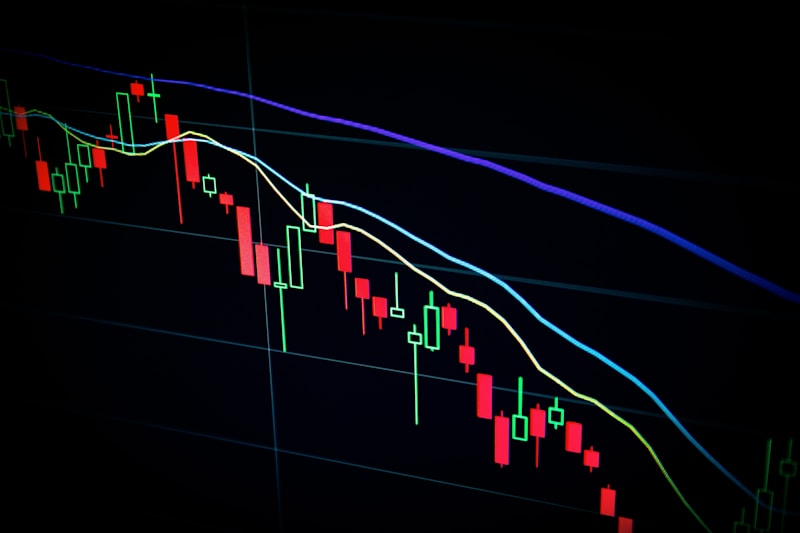
The 1987 Black Monday Crash
The 1987 Black Monday Crash was a global financial event that occurred on October 19, 1987, when stock markets around the world experienced a severe decline in value, resulting in a significant loss of wealth for investors. This event was the largest one-day percentage decline in the history of the Dow Jones Industrial Average, with a loss of 22.6% in a single day. The crash was a major contributor to the global economic downturn of the late 1980s and had a lasting impact on the world of finance.
The 1987 Black Monday Crash was a complex event with multiple causes and consequences. It was triggered by a combination of factors, including a speculative bubble in the stock market, a decline in investor confidence, and a series of economic indicators that suggested a recession was on the horizon. The crash was also exacerbated by the use of program trading, which allowed computers to automatically sell stocks when prices fell, creating a self-reinforcing feedback loop that accelerated the decline.
The 1987 Black Monday Crash was a global event, with stock markets in Europe, Asia, and North America experiencing significant losses. The crash was particularly severe in the United States, where the Dow Jones Industrial Average fell by 508 points, or 22.6%, on October 19, 1987. The crash also had a significant impact on the global economy, leading to a decline in economic output and a rise in unemployment.
Causes of the Crash
The 1987 Black Monday Crash was caused by a combination of factors, including a speculative bubble in the stock market, a decline in investor confidence, and a series of economic indicators that suggested a recession was on the horizon. The stock market had experienced a significant run-up in the years leading up to the crash, with the Dow Jones Industrial Average increasing by over 40% in 1987 alone. This created a speculative bubble, as investors began to buy stocks in anticipation of further gains.
However, a series of economic indicators suggested that the economy was slowing down, including a decline in industrial production and a rise in unemployment. This decline in economic activity led to a decline in investor confidence, as investors became increasingly concerned about the prospects for the economy.
The use of program trading also played a significant role in the crash. Program trading allowed computers to automatically sell stocks when prices fell, creating a self-reinforcing feedback loop that accelerated the decline. This created a situation in which the market was increasingly sensitive to any negative news, and even small declines in stock prices could trigger a larger decline.
Mechanism of the Crash
The 1987 Black Monday Crash occurred on October 19, 1987, when stock markets around the world experienced a severe decline in value. The crash was triggered by a combination of factors, including a decline in investor confidence, a series of economic indicators that suggested a recession was on the horizon, and the use of program trading.
The crash began in the United States, where the Dow Jones Industrial Average fell by over 200 points in the first hour of trading. This decline was triggered by a series of economic indicators that suggested a recession was on the horizon, including a decline in industrial production and a rise in unemployment.
As the day progressed, the decline in stock prices accelerated, with the Dow Jones Industrial Average falling by over 500 points. This decline was exacerbated by the use of program trading, which allowed computers to automatically sell stocks when prices fell. This created a self-reinforcing feedback loop, in which the market was increasingly sensitive to any negative news, and even small declines in stock prices could trigger a larger decline.
Global Impact
The 1987 Black Monday Crash had a significant impact on the global economy, leading to a decline in economic output and a rise in unemployment. The crash was particularly severe in the United States, where the Dow Jones Industrial Average fell by 508 points, or 22.6%, on October 19, 1987.
The crash also had a significant impact on the global economy, leading to a decline in economic output and a rise in unemployment. The International Monetary Fund (IMF) estimated that the crash led to a decline in global economic output of over 1%, while the World Bank estimated that the crash led to a rise in unemployment of over 1%.
Response and Aftermath
The response to the 1987 Black Monday Crash was swift and decisive. The Federal Reserve, led by Chairman Alan Greenspan, cut interest rates by 50 basis points in an effort to stimulate the economy. The US government also passed a series of measures to stabilize the financial system, including the passage of the Emergency Economic Stabilization Act of 1987.
The aftermath of the crash was marked by a significant decline in economic activity, including a decline in industrial production and a rise in unemployment. However, the economy eventually recovered, and the stock market eventually rebounded. The crash also led to a significant increase in regulation, including the passage of the Securities and Exchange Commission's (SEC) Rule 144A, which required companies to disclose more information about their financial condition.
INFOBOX:
- Name: The 1987 Black Monday Crash
- Type: Global financial event
- Date: October 19, 1987
- Location: Global
- Known For: Largest one-day percentage decline in the history of the Dow Jones Industrial Average
TAGS: 1987, Black Monday, stock market crash, global financial event, Dow Jones Industrial Average, Federal Reserve, Alan Greenspan, Securities and Exchange Commission, Rule 144A


