




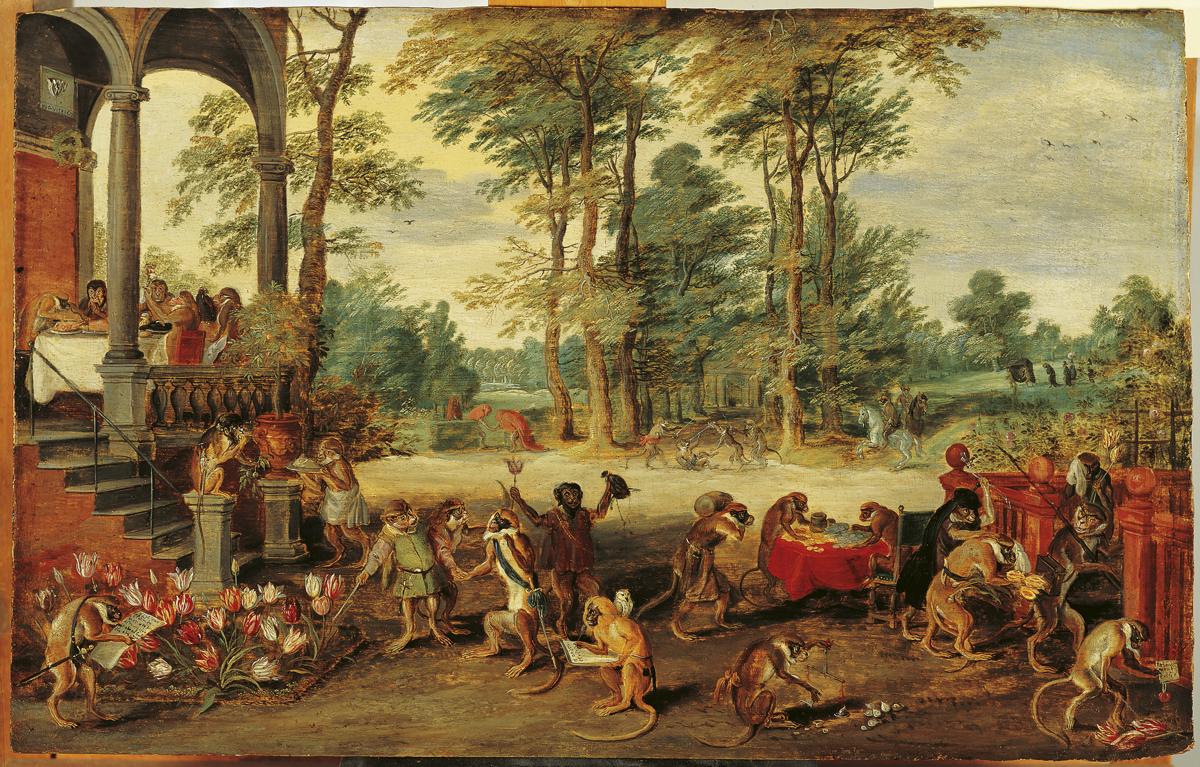
Tulip Mania
Tulip Mania was a period of intense speculation and excessive price inflation in the Dutch Republic during the 17th century, characterized by the rapid rise and subsequent collapse of tulip bulb prices. The phenomenon, which occurred between 1634 and 1637, is widely regarded as the first recorded speculative bubble or asset bubble in history. While it had significant social and economic implications for the Dutch people, it had little impact on the overall prosperity of the Dutch Republic, which was a major economic and financial power at the time.
The tulip mania was a complex and multifaceted phenomenon that involved a combination of factors, including the introduction of new tulip varieties from Turkey, the emergence of a vibrant and speculative market, and the involvement of wealthy merchants and traders. The mania reached its peak in February 1637, when the price of a single bulb of the rarest variety, the Semper Augustus, reached an astonishing 10 times the annual income of a skilled craftsman. However, the bubble burst in the same month, leaving many investors with significant financial losses.
The tulip mania was not just a financial phenomenon, but also a social and cultural one. It brought together people from different walks of life, including merchants, traders, and even nobles, who were all eager to participate in the speculative market. The mania also led to the creation of a new language and culture, with tulip enthusiasts using complex terminology and metaphors to describe the different varieties and their characteristics.
History
The tulip mania began in the early 1630s, when tulip bulbs were first introduced to the Netherlands from Turkey. The bulbs were highly prized for their beauty and rarity, and soon became a status symbol among the wealthy and fashionable. As the demand for tulip bulbs grew, a speculative market emerged, with prices rising rapidly as investors sought to profit from the increasing demand.
By 1634, the tulip market had become a major phenomenon, with prices reaching levels that were previously unimaginable. The rarest varieties, such as the Semper Augustus, were selling for exorbitant prices, with some bulbs fetching as much as 10 times the annual income of a skilled craftsman. The market was characterized by a frenzy of buying and selling, with investors seeking to profit from the rapidly rising prices.
However, the tulip mania was not sustainable, and the bubble eventually burst in February 1637. The collapse of the market was sudden and dramatic, with prices plummeting to levels that were previously unimaginable. Many investors were left with significant financial losses, and the tulip mania became a cautionary tale about the dangers of speculation and excessive price inflation.
Mechanism
The tulip mania was a complex phenomenon that involved a combination of factors, including the introduction of new tulip varieties from Turkey, the emergence of a vibrant and speculative market, and the involvement of wealthy merchants and traders. The mania was fueled by a combination of factors, including the increasing demand for tulip bulbs, the emergence of a new language and culture, and the involvement of wealthy investors who were seeking to profit from the rapidly rising prices.
The tulip market was characterized by a frenzy of buying and selling, with investors seeking to profit from the rapidly rising prices. The market was also characterized by a complex system of contracts and agreements, with investors buying and selling tulip bulbs on credit and using complex terminology and metaphors to describe the different varieties and their characteristics.
Impact
The tulip mania had significant social and economic implications for the Dutch people. It brought together people from different walks of life, including merchants, traders, and even nobles, who were all eager to participate in the speculative market. The mania also led to the creation of a new language and culture, with tulip enthusiasts using complex terminology and metaphors to describe the different varieties and their characteristics.
However, the tulip mania also had significant financial implications for many investors. The collapse of the market in February 1637 left many investors with significant financial losses, and the mania became a cautionary tale about the dangers of speculation and excessive price inflation.
Legacy
The tulip mania has had a lasting impact on the world of finance and economics. It is widely regarded as the first recorded speculative bubble or asset bubble in history, and it has been studied by economists and historians for centuries. The mania also led to the creation of a new language and culture, with tulip enthusiasts using complex terminology and metaphors to describe the different varieties and their characteristics.
Today, the term "tulip mania" is often used metaphorically to refer to any large economic bubble when asset prices deviate from intrinsic values. The mania has also been the subject of numerous books, articles, and films, and it remains a fascinating and cautionary tale about the dangers of speculation and excessive price inflation.
INFOBOX:
- Name: Tulip Mania
- Type: Economic phenomenon
- Date: 1634-1637
- Location: Netherlands
- Known For: First recorded speculative bubble or asset bubble in history
TAGS: Tulip mania, speculative bubble, asset bubble, Dutch Golden Age, Netherlands, finance, economics, history.


