




**
Overview
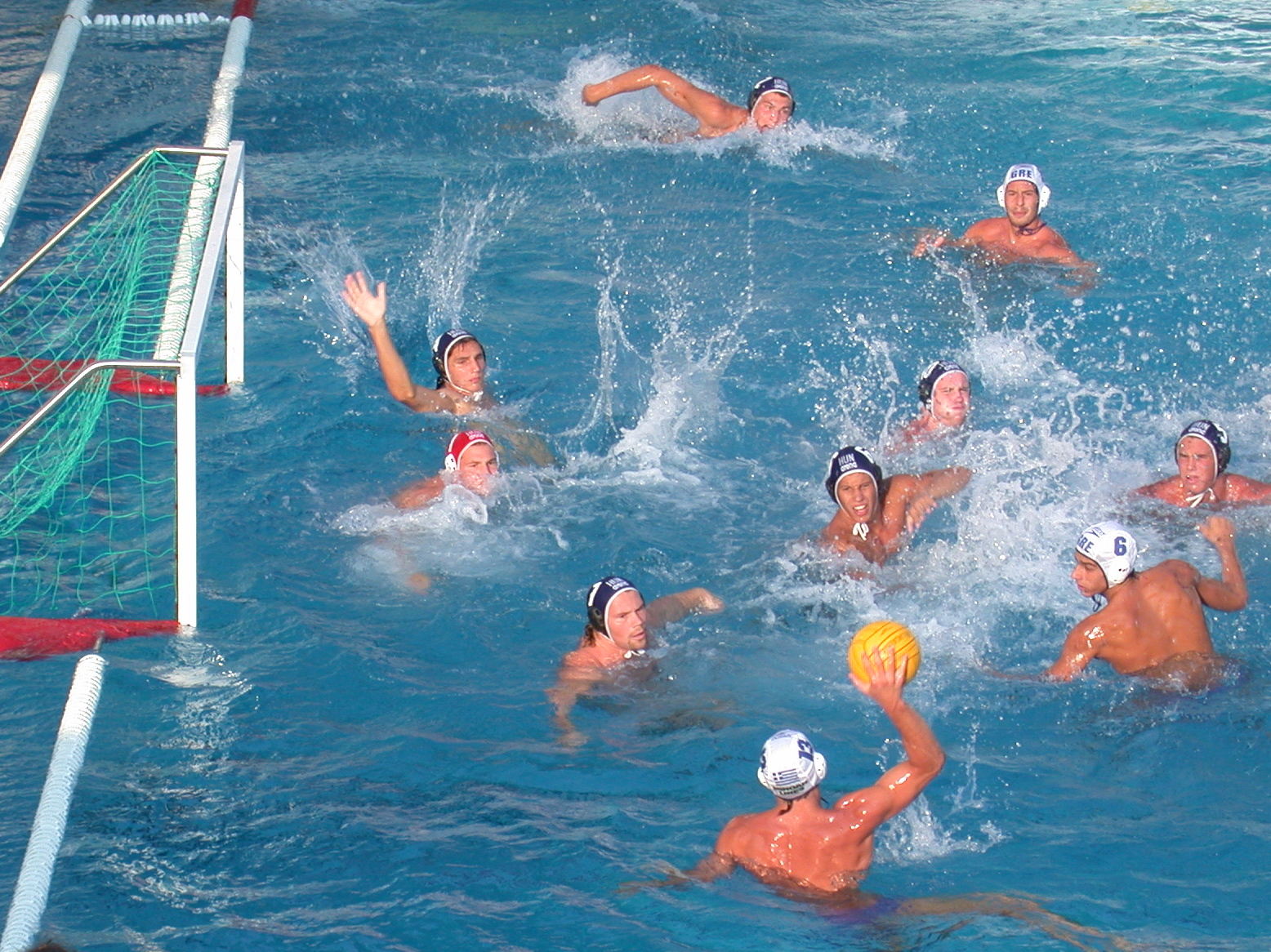
Water polo blends the endurance of swimming, the strategy of basketball, and the physicality of rugby into a single, relentless contest. Each side fields six field players and a goalkeeper, rotating through offensive drives, defensive walls, and rapid transitions in four timed quarters. Because the playing surface is water—typically a deep‑end pool where athletes cannot touch the bottom—players must tread, sprint, and execute throws while constantly treading water using the egg‑beater kick. The sport demands a rare combination of aerobic stamina, explosive leg power, precise ball handling, and tactical awareness.
A standard match lasts four eight‑minute quarters (international rules) with a brief intermission between the second and third periods. The team that accumulates the most goals by the final whistle claims victory, though overtime or shoot‑outs resolve ties in tournament play. While the goalkeeper enjoys special privileges—such as using two hands to block shots—every other player alternates between attacking and defending, making the sport a continuous “two‑way” game that rewards versatility and teamwork.
History/Background
Modern water polo traces its roots to mid‑19th‑century England, where it evolved from “water football” played in the River Thames and public baths. The first recorded match took place in 1860 at the London Swimming Club, and the sport quickly spread to Scotland, where the first official rules were codified by William Wilson in 1870. By the 1880s, water polo had crossed the Atlantic, gaining a foothold in American colleges and clubs.The sport entered the Olympic program at the 1900 Paris Games, making it one of the longest‑standing team events in the modern Olympics. Early dominance belonged to Great Britain, which captured three consecutive gold medals (1900‑1908). Post‑World War I, Hungary emerged as a powerhouse, amassing nine Olympic titles (including a historic run of three straight from 2000‑2008). The Cold War era saw fierce rivalries between the Soviet Union, Yugoslavia, and Italy, each contributing to tactical innovations such as the “center forward” (or “hole set”) and the modern “press defense.”
In recent decades, water polo has expanded globally, with Asia, Australia, and South America establishing competitive leagues and national programs. The FINA World Championships (first held in 1973) and the World League (inaugurated in 2002) have further professionalized the sport, offering athletes year‑round elite competition.
Key Information
- Team composition: 7 players (6 field players + 1 goalkeeper); unlimited substitutions during stoppages. - Playing field: 30 m × 20 m (men) or 25 m × 20 m (women) pool, minimum depth 1.8 m. - Ball: Waterproof leather or composite, 68–71 cm circumference, 400–450 g weight. - Scoring: A goal counts when the entire ball crosses the goal line under the crossbar and between the posts. - Major competitions: Olympic Games, FINA World Championships, World Cup, World League, European Championships, and continental leagues (e.g., NCAA in the U.S., Australian National Water Polo League). - Record holders: Tibor Benedek (Hungary) – 5 Olympic medals (3 gold, 1 silver, 1 bronze); Maggie Steffens (USA) – most Olympic goals by a female player (48 as of 2024). - Physical demands: Players typically cover 2,000–3,000 m swimming per match, execute 30–40 sprints, and engage in continuous grappling akin to a “water‑based contact sport.” - Rules highlights: Players may only hold the ball with one hand (except the goalkeeper), must pass the ball within 30 seconds of gaining possession, and are prohibited from sinking the ball or committing “exclusion fouls” that result in temporary ejection.Significance
Water polo’s endurance‑intensive nature makes it a benchmark for athletic versatility, showcasing how aquatic skill can intersect with tactical team play. Its inclusion in the Olympic Games since 1900 underscores its status as a global sport that bridges cultural and geographic divides. The sport has propelled national pride, especially in countries like Hungary, where water polo is a cultural touchstone and a source of collective identity.Beyond the elite arena, water polo serves as a developmental platform for swimmers, divers, and lifeguards, enhancing water safety awareness and promoting lifelong fitness. The sport’s evolution—through rule refinements, technology‑enhanced balls, and video‑review systems—mirrors broader trends in modern athletics toward fairness, spectator engagement, and athlete welfare. As water polo continues to expand into new markets and embraces digital broadcasting, its legacy as a demanding, strategic, and exhilarating team sport remains firmly anchored in the world of competitive athletics.
INFOBOX:
- Name: Water Polo
- Type: Team sport (aquatic)
- Date: First recorded match 1860 (modern rules 1870)
- Location: Originated in England; now played worldwide in regulated pools
- Known For: Being one of the oldest Olympic team sports and for Hungary’s historic dominance
TAGS: water polo, team sport, Olympic sport, aquatic athletics, swimming, ball sport, Hungary, FINA


