**
Overview
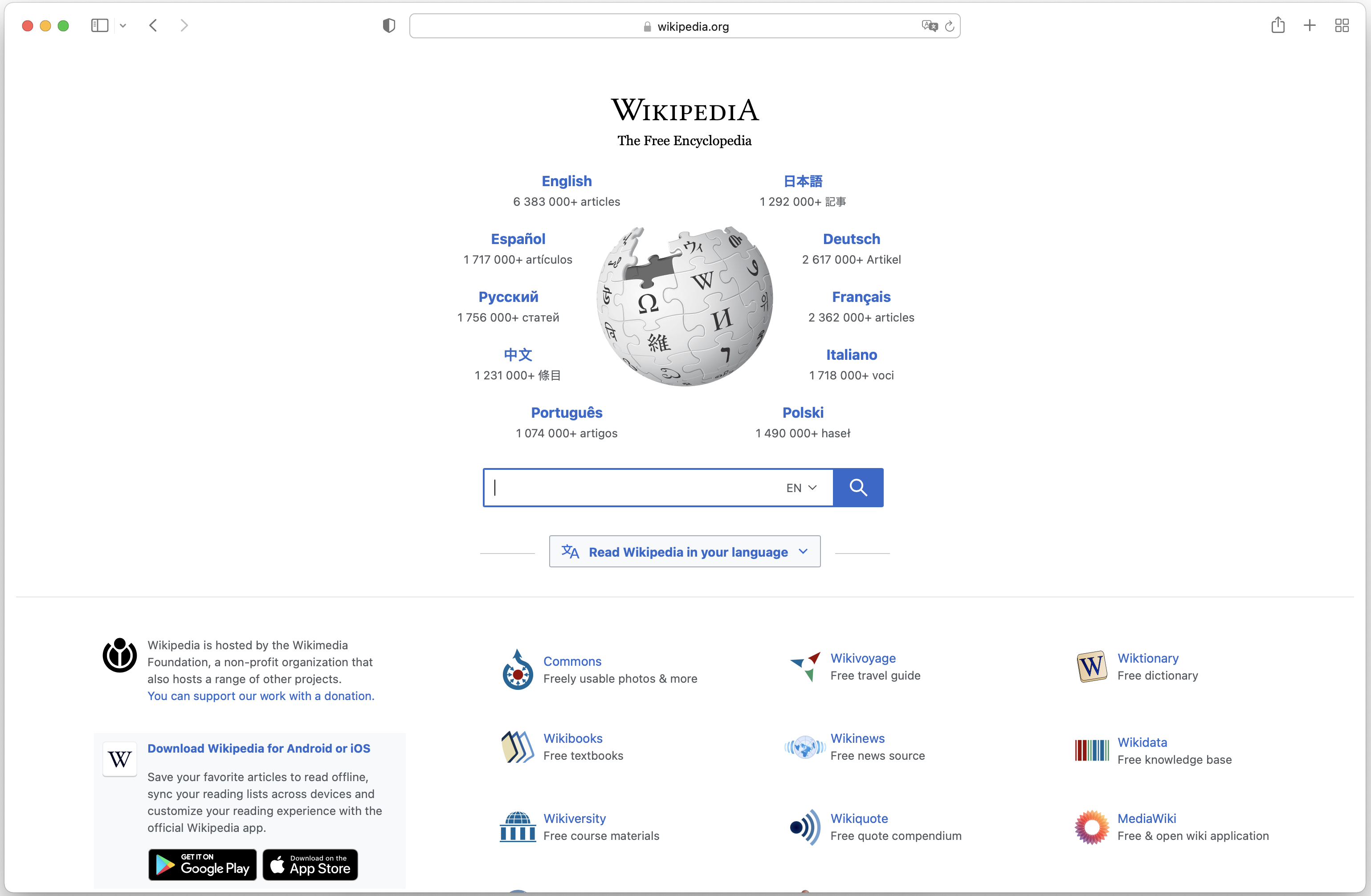
A web browser—often simply called a browser—is an application that lets users request, download, and display web pages from remote servers or local storage. When a user types a URL or clicks a hyperlink, the browser initiates an HTTP(S) request, receives HTML, CSS, JavaScript, images, and other assets, and then assembles them into the visual layout you see on the screen. Modern browsers go far beyond static rendering; they execute complex client‑side scripts, enforce security policies (like same‑origin restrictions), and provide a sandboxed environment for extensions and web apps.Today's browsers are multi‑platform, running on desktops (Windows, macOS, Linux), mobile devices (iOS, Android), and even embedded systems (smart TVs, IoT devices). They support a suite of standards defined by the World Wide Web Consortium (W3C) and the WHATWG, including HTML5, CSS3, WebGL, and the increasingly important WebAssembly. Performance‑critical features such as just‑in‑time (JIT) JavaScript engines, multi‑process architectures, and hardware‑accelerated graphics pipelines have turned browsers into full‑featured computing platforms, capable of running sophisticated applications like video editors, games, and productivity suites directly in the browser.
History/Background
The first graphical web browser, Mosaic, debuted in 1993 at the National Center for Supercomputing Applications (NCSA). Mosaic’s success sparked a wave of competition, most notably Netscape Navigator, released in late 1994. Netscape introduced the JavaScript language (1995) and the Secure Sockets Layer (SSL) protocol, laying groundwork for interactive, secure web experiences. In 1995, Microsoft responded with Internet Explorer (IE), bundling it with Windows and eventually dominating market share by the early 2000s.The open‑source movement reshaped the landscape in 2003 when Mozilla released Firefox 1.0, emphasizing standards compliance, extensibility, and user privacy. Google entered the arena in 2008 with Chrome, built on the Blink rendering engine (a fork of WebKit) and the V8 JavaScript engine, both designed for speed and low latency. Chrome’s rapid release cadence (a new stable version roughly every six weeks) set a new industry tempo. Apple’s Safari, first shipped in 2003 on Mac OS X, introduced the WebKit engine, which later powered many mobile browsers.
Mobile browsing surged after the launch of the iPhone in 2007 and Android in 2008. Mobile Safari (iOS) and Chrome for Android quickly became default browsers, prompting the development of responsive design techniques and progressive web apps (PWAs). By 2020, mobile browsers accounted for over 55 % of global web traffic, underscoring the shift from desktop‑centric to mobile‑first experiences.
Key Information
- Rendering Engines: Blink (Chrome, Edge), Gecko (Firefox), WebKit (Safari, older iOS browsers). - JavaScript Engines: V8 (Chrome, Edge), SpiderMonkey (Firefox), JavaScriptCore (Safari). - Release Cadence: Chrome and Edge follow a six‑week stable release cycle; Firefox adopts a four‑week cycle; Safari updates with major iOS/macOS releases. - Security Features: Sandboxing, site isolation, built‑in phishing/malware protection, HTTPS‑Only mode, and support for TLS 1.3 (standardized 2018). - Privacy Tools: Tracking protection lists, container tabs (Firefox), built‑in ad blockers (Brave), and DNS‑over‑HTTPS (DoH) support. - Extension Ecosystem: APIs standardized via the WebExtensions model, allowing cross‑browser add‑ons written in HTML, CSS, and JavaScript. - Performance Benchmarks: The JetStream, Speedometer, and WebXPRT suites measure JavaScript speed, rendering latency, and overall web app performance; Chrome and Edge typically lead, with Firefox closing gaps through Quantum (2017) architecture improvements. - Market Share (Q4 2025): Chrome ~68 %, Safari ~19 %, Edge ~5 %, Firefox ~4 %, others <4 %.Significance
Web browsers are the de facto operating system of the internet. They democratize access to information, allowing anyone with a device to retrieve content without needing specialized software. The browser’s evolution has driven the web from static documents to a rich application platform, enabling services like Google Docs, Netflix streaming, and cloud‑based development environments. By enforcing open standards, browsers have kept the web interoperable, preventing vendor lock‑in and fostering innovation across industries.Security and privacy have become central concerns; browsers now act as the first line of defense against phishing, malware, and tracking, influencing global policy and legislation (e.g., GDPR, CCPA). The rise of Progressive Web Apps blurs the line between native and web software, allowing developers to deliver offline‑capable, installable experiences directly through the browser. Finally, the competitive arms race among browser vendors fuels rapid advances in performance, energy efficiency, and accessibility, ensuring the web remains a vibrant, inclusive platform for the next generation of users and creators.
INFOBOX:
- Name: Web Browser
- Type: Software Application (Internet/Networking)
- Date: First graphical browser released 1993 (Mosaic)
- Location: Global (distributed across operating systems)
- Known For: Rendering and interacting with web content, enabling the modern internet experience
TAGS: web browsers, internet, HTML, JavaScript, cybersecurity, progressive web apps, browser history, rendering engines