Health & Medicine

Diseases, treatments, anatomy, nutrition and medical science

6,951 articles

ACE Inhibitors

ACE inhibitors are a class of medications used to treat high blood pressure, heart failure, and other cardiovascular conditions by blocking the action of angiotensin-converting enzyme (ACE). ## Overview ACE inhibitors are a type of medication that plays a crucial role in managing cardiovascular diseases. They work by blocking the action of angiotensin-converting enzyme (ACE), a naturally occurring substance in the body that constricts blood vessels and increases blood pressure. By inhibiting ACE, these medications relax blood vessels, allowing blood to flow more easily and reducing blood pressure. This class of medications is commonly used to treat conditions such as high blood pressure, heart failure, and diabetic nephropathy. ACE inhibitors are often prescribed for patients with hypertension (high blood pressure), as they have been shown to reduce the risk of cardiovascular events, such as heart attacks and strokes. They are also used to treat heart failure, a condition in which the heart is unable to pump enough blood to meet the body's needs. Additionally, ACE inhibitors are used to slow the progression of kidney disease in patients with diabetes. ## History/Background The concept of ACE inhibitors dates back to the 1970s, when researchers first discovered the role of ACE in regulating blood pressure. The first ACE inhibitor, **Captopril**, was approved by the US FDA in 1981. Captopril was developed by a team of researchers at Squibb Institute for Medical Research, led by Dr. Michael S. Brown and Dr. Joseph L. Goldstein. Since then, several other ACE inhibitors have been developed, including Enalapril, Lisinopril, and Ramipril. ## Key Information * **Mechanism of Action**: ACE inhibitors work by blocking the conversion of angiotensin I to angiotensin II, a potent vasoconstrictor. This leads to vasodilation, reduced blood pressure, and decreased cardiac workload. * **Indications**: ACE inhibitors are used to treat hypertension, heart failure, diabetic nephropathy, and other cardiovascular conditions. * **Side Effects**: Common side effects of ACE inhibitors include cough, dizziness, and fatigue. Rare but serious side effects include angioedema and hyperkalemia. * **Interactions**: ACE inhibitors can interact with other medications, such as potassium supplements and diuretics, which can increase the risk of hyperkalemia. * **Contraindications**: ACE inhibitors are contraindicated in patients with a history of angioedema, kidney disease, or pregnancy. ## Significance ACE inhibitors have revolutionized the treatment of cardiovascular diseases, reducing the risk of cardiovascular events and improving patient outcomes. They have also been shown to slow the progression of kidney disease in patients with diabetes. The development of ACE inhibitors has led to a better understanding of the renin-angiotensin-aldosterone system (RAAS) and its role in regulating blood pressure. INFOBOX: - Name: ACE Inhibitors - Type: Medication - Date: 1981 (approval of Captopril) - Location: Squibb Institute for Medical Research (now part of Bristol-Myers Squibb) - Known For: Development of a new class of medications for treating cardiovascular diseases TAGS: **ACE inhibitors**, **hypertension**, **heart failure**, **diabetic nephropathy**, **cardiovascular disease**, **blood pressure**, **vasodilation**, **renin-angiotensin-aldosterone system**, **medication**

Acetyl L Carnitine

Acetyl-L-carnitine (ALCAR) is a naturally occurring amino acid derivative that plays a crucial role in energy production, brain function, and overall health. ## Overview Acetyl-L-carnitine (ALCAR) is a naturally occurring amino acid derivative that is produced by the human body and is also available as a dietary supplement. It is an acetylated form of L-carnitine, which is an essential nutrient that helps transport fatty acids into the mitochondria for energy production. ALCAR is broken down in the blood by plasma esterases to carnitine, which is then used by the body to facilitate energy production. This process is particularly important for the brain, where ALCAR helps to support the production of energy and protect against oxidative stress. ALCAR has been shown to have a range of benefits, including improving cognitive function, reducing fatigue, and enhancing overall health. It has also been used to support the treatment of various medical conditions, including Alzheimer's disease, Parkinson's disease, and depression. While ALCAR is generally considered safe, it is essential to consult with a healthcare professional before taking it as a supplement, as high doses may interact with certain medications or have adverse effects in certain individuals. ## History/Background Acetyl-L-carnitine was first isolated in the 1970s, and since then, it has been extensively studied for its potential health benefits. Early research focused on its role in energy production and its potential to support the treatment of various medical conditions. In the 1990s, ALCAR gained popularity as a dietary supplement, and it has since become widely available in health food stores and online. ## Key Information - **Mechanism of Action**: ALCAR is broken down in the blood by plasma esterases to carnitine, which is then used by the body to transport fatty acids into the mitochondria for energy production. - **Benefits**: ALCAR has been shown to improve cognitive function, reduce fatigue, and enhance overall health. - **Medical Conditions**: ALCAR has been used to support the treatment of various medical conditions, including Alzheimer's disease, Parkinson's disease, and depression. - **Dietary Sources**: ALCAR is found in small amounts in certain foods, including meat, fish, and dairy products. - **Supplementation**: ALCAR is available as a dietary supplement in various forms, including capsules, tablets, and powders. ## Significance ALCAR is significant because of its potential to support the treatment of various medical conditions and its role in energy production. Its ability to improve cognitive function and reduce fatigue makes it a popular dietary supplement among individuals looking to enhance their overall health and well-being. Additionally, ALCAR's potential to support the treatment of Alzheimer's disease and other neurodegenerative disorders makes it an area of ongoing research and interest. INFOBOX: - Name: Acetyl-L-carnitine (ALCAR) - Type: Amino acid derivative - Date: First isolated in the 1970s - Location: Widely available as a dietary supplement - Known For: Supporting energy production, cognitive function, and overall health TAGS: Acetyl-L-carnitine, ALCAR, L-carnitine, energy production, cognitive function, Alzheimer's disease, Parkinson's disease, depression, dietary supplement, amino acid derivative.

Acne

Acupuncture

Acupuncture is a traditional Chinese medicine practice that involves inserting thin needles into specific body points, but its theoretical foundations lack scientific support and it is considered a pseudoscientific modality.

Acute Respiratory Distress Syndrome

ADC Drugs

Addisons Disease

ADHD

** Attention‑deficit/hyperactivity disorder (ADHD) is a common neurodevelopmental condition marked by pervasive inattention, hyperactivity, impulsivity, and emotional dysregulation that interfere with functioning across home, school, work, and social settings. **CONTENT:** ## Overview Attention‑deficit/hyperactivity disorder (ADHD) is a **neurodevelopmental disorder** that typically emerges in childhood, although many individuals continue to experience symptoms into adulthood. The core symptom clusters—**inattention**, **hyperactivity**, **impulsivity**, and **emotional dysregulation**—reflect underlying deficits in executive functions such as working memory, inhibitory control, planning, and self‑monitoring. These deficits are not merely “bad habits”; they arise from atypical development of brain networks that regulate attention and behavior, especially the prefrontal cortex, basal ganglia, and cerebellar circuits. People with ADHD often display a pattern of **excessive and pervasive** symptoms that are **developmentally inappropriate**: a child who cannot sit still for a brief classroom activity, an adolescent who struggles to complete homework despite repeated attempts, or an adult who finds it difficult to meet deadlines or maintain steady relationships. The disorder is heterogeneous—some individuals are primarily inattentive, others are predominantly hyperactive‑impulsive, and many exhibit a combined presentation. Emotional dysregulation, once considered a peripheral feature, is now recognized as a core component that can amplify functional impairment. Diagnosis relies on a comprehensive clinical interview, standardized rating scales, and collateral information from parents, teachers, or employers. The **Diagnostic and Statistical Manual of Mental Disorders, Fifth Edition (DSM‑5)** requires that several symptoms be present before age 12, occur in at least two settings, and cause clinically significant distress or impairment. Because ADHD symptoms overlap with anxiety, mood disorders, learning disabilities, and sleep problems, a thorough evaluation by a qualified health professional is essential. ## History/Background The first systematic description of ADHD‑like behavior appeared in the early 20th century. In 1902, British pediatrician **George Still** described “defect of moral control” in children who could not sustain attention or follow instructions. The term **“hyperkinetic impulse disorder”** entered the psychiatric lexicon in the 1950s, reflecting a focus on motor hyperactivity. In 1968, the American Psychiatric Association (APA) listed **“Attention Deficit Disorder (ADD)”** in the *Diagnostic and Statistical Manual of Mental Disorders, Second Edition (DSM‑II)*, emphasizing inattention without hyperactivity. The 1980s brought the combined label **“Attention‑Deficit/Hyperactivity Disorder”** in DSM‑III‑R, acknowledging that many patients exhibit both inattentive and hyperactive‑impulsive features. Subsequent revisions (DSM‑IV, DSM‑5) refined diagnostic criteria, added the **inattentive** and **combined** subtypes, and incorporated the requirement for cross‑situational impairment. Parallel research in neuroimaging, genetics, and psychopharmacology during the 1990s and 2000s solidified ADHD as a biologically based condition rather than a moral failing. ## Key Information - **Prevalence:** ADHD affects ~5‑7 % of school‑age children worldwide and persists in ~60 % of cases into adulthood. - **Etiology:** Multifactorial; strong heritability (~70 %), polygenic risk, prenatal exposures (e.g., tobacco, alcohol), low birth weight, and psychosocial stressors contribute. - **Neurobiology:** Dysregulation of dopaminergic and noradrenergic pathways, reduced cortical thickness in prefrontal regions, and altered functional connectivity in the default mode and fronto‑striatal networks. - **Diagnostic Criteria (DSM‑5):** At least 6 of 9 inattention symptoms **and/or** 6 of 9 hyperactivity‑impulsivity symptoms, present for ≥6 months, before age 12, in ≥2 settings, causing impairment. - **Assessment Tools:** Conners’ Rating Scales, Vanderbilt ADHD Diagnostic Rating Scale, Adult ADHD Self‑Report Scale (ASRS), continuous performance tests (CPT). - **Treatment:** Multimodal approach—**behavioral interventions**, **parent training**, **school accommodations**, and **pharmacotherapy** (stimulants such as methylphenidate and amphetamines; non‑stimulants like atomoxetine, guanfacine). Evidence supports combined medication + behavioral therapy for optimal outcomes. - **Comorbidities:** Up to 70 % have co‑occurring conditions: anxiety, depression, oppositional defiant disorder, learning disabilities, substance‑use disorders, and sleep disturbances. - **Prognosis:** Early identification and evidence‑based treatment improve academic achievement, occupational stability, and psychosocial functioning. Untreated ADHD is associated with higher rates of accidents, legal problems, and reduced quality of life. **When to seek professional care:** If a child or adult shows persistent difficulties with attention, impulse control, or activity level that interfere with daily life, or if emotional volatility leads to frequent conflicts or mood swings, a qualified clinician (pediatrician, psychiatrist, psychologist, or neurologist) should be consulted for evaluation and possible treatment. ## Significance ADHD’s significance extends beyond individual health; it influences educational systems, workplace productivity, public safety, and health economics. Schools must implement individualized education plans (IEPs) or 504 accommodations, prompting policy discussions about inclusive pedagogy. In the workplace, adults with ADHD benefit from flexible scheduling, task‑management tools, and supportive supervision, highlighting the need for employer awareness and accommodations under disability legislation. From a research perspective, ADHD has driven advances in **neuropsychology**, **genomics**, and **pharmacology**, informing our understanding of executive function and brain‑behavior relationships. The disorder also catalyzed broader conversations about neurodiversity, encouraging societies to value cognitive differences rather than merely pathologize them. Economically, untreated ADHD incurs substantial costs—estimated at billions of dollars annually in the United States alone—through lost productivity, increased health service utilization, and higher rates of accidents. Effective, early interventions can mitigate these burdens, underscoring the public‑health imperative to improve screening, reduce stigma, and ensure equitable access to care. **INFOBOX:** - Name: Attention‑Deficit/Hyperactivity Disorder (ADHD) - Type: Neurodevelopmental disorder - Date: First described 1902 (Still); modern diagnostic criteria established 1980 (DSM‑III‑R) - Location: Global prevalence; diagnostic criteria apply worldwide - Known For: Persistent inattention, hyperactivity, impulsivity, and emotional dysregulation that impair functioning across settings **TAGS:** ADHD, neurodevelopmental disorder, executive dysfunction, inattention, hyperactivity, impulsivity, mental health, child psychiatry

Adrenal Glands

The adrenal glands are crucial endocrine organs that produce a range of vital hormones, including adrenaline, aldosterone, and cortisol, playing a vital role in maintaining the body's homeostasis and responding to stress. ## Overview The adrenal glands are two small, triangular glands located on top of each kidney, playing a vital role in the body's endocrine system. These glands are responsible for producing a variety of hormones that help regulate various bodily functions, such as blood pressure, metabolism, and the body's response to stress. The adrenal glands consist of two main parts: the outer cortex and the inner medulla. The adrenal cortex is further divided into three main zones: the zona glomerulosa, the zona fasciculata, and the zona reticularis. Each zone of the adrenal cortex produces different types of steroid hormones. The zona glomerulosa produces aldosterone, which helps regulate electrolyte balance and blood pressure. The zona fasciculata produces cortisol, which plays a crucial role in the body's response to stress and helps regulate metabolism. The zona reticularis produces androgens, such as dehydroepiandrosterone (DHEA), which are converted into other hormones in the body. The adrenal medulla, on the other hand, produces the hormone adrenaline (also known as epinephrine), which helps regulate the body's "fight or flight" response. ## History/Background The adrenal glands have been known to humans for centuries, with ancient civilizations recognizing their importance in maintaining overall health. The Greek physician Galen (129-216 AD) was one of the first to describe the adrenal glands in detail. However, it wasn't until the 19th century that the adrenal glands were formally described and their function was understood. In 1889, the German physiologist Oskar Minkowski discovered that the adrenal glands were responsible for producing hormones that helped regulate blood pressure. This discovery led to a greater understanding of the adrenal glands' role in maintaining homeostasis and responding to stress. ## Key Information ### Anatomy and Function * The adrenal glands are located on top of each kidney. * Each gland consists of an outer cortex and an inner medulla. * The adrenal cortex is divided into three main zones: the zona glomerulosa, the zona fasciculata, and the zona reticularis. * The adrenal glands produce a range of hormones, including adrenaline, aldosterone, and cortisol. * The adrenal glands play a crucial role in maintaining homeostasis and responding to stress. ### Disorders and Diseases * **Cushing's syndrome**: a condition caused by excess cortisol production, leading to symptoms such as weight gain, high blood pressure, and mood changes. * **Addison's disease**: a condition caused by adrenal insufficiency, leading to symptoms such as fatigue, weight loss, and low blood pressure. * **Pheochromocytoma**: a rare tumor of the adrenal medulla that produces excess adrenaline, leading to symptoms such as high blood pressure, palpitations, and sweating. ## Significance The adrenal glands play a vital role in maintaining the body's homeostasis and responding to stress. The hormones produced by the adrenal glands help regulate various bodily functions, such as blood pressure, metabolism, and the body's response to stress. Disorders and diseases affecting the adrenal glands can have serious consequences, highlighting the importance of maintaining healthy adrenal function. INFOBOX: - Name: Adrenal Glands - Type: Endocrine Glands - Date: 1889 (discovery of adrenal gland function) - Location: Above the kidneys - Known For: Producing hormones that regulate homeostasis and responding to stress TAGS: Adrenal Glands, Endocrine System, Hormones, Stress Response, Homeostasis, Cushing's Syndrome, Addison's Disease, Pheochromocytoma, Steroid Hormones, Adrenal Cortex, Adrenal Medulla.

Alopecia

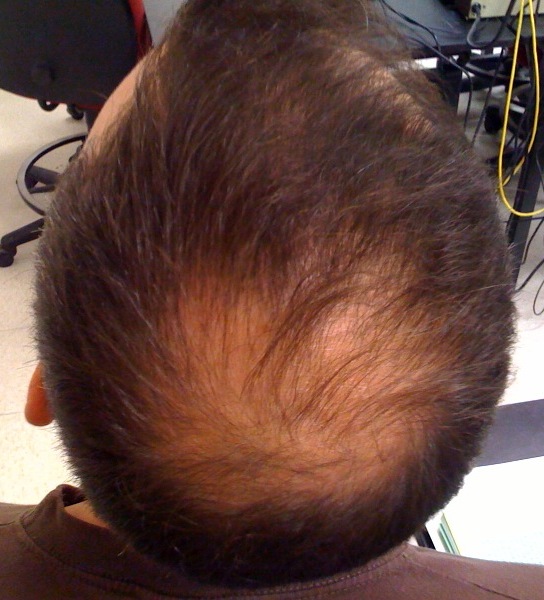
** Alopecia is the medical term for hair loss from the scalp or body, ranging from small patches to complete baldness, and can have physical, emotional, and social consequences. **CONTENT:** ## Overview **Alopecia** describes any condition that leads to the loss of hair, most commonly from the scalp but occasionally from eyebrows, eyelashes, or other body sites. The pattern and extent of loss vary widely: some individuals notice a few thinning strands, while others experience **total scalp hair loss (alopecia totalis)** or loss of all body hair (**alopecia universalis**). In most forms, the hair follicles remain viable and the skin shows no signs of inflammation or scarring, distinguishing non‑scarring alopecia from conditions that permanently damage the follicle. The most prevalent type is **androgenetic alopecia**, often called male‑ or female‑pattern baldness, driven by genetic susceptibility and the hormone dihydrotestosterone (DHT). Other common forms include **alopecia areata**, an autoimmune attack that produces round, smooth patches of baldness, and **telogen effluvium**, a temporary shedding triggered by stress, illness, medication, or hormonal changes. While many cases are benign and self‑limiting, hair loss can provoke significant **psychological distress**, affecting self‑esteem, social interaction, and even leading to anxiety or depression. Early evaluation by a **dermatologist** or primary‑care provider is advisable when hair loss is rapid, patchy, painful, or accompanied by scalp changes, as these may signal underlying disease requiring prompt treatment. ## History/Background The word “alopecia” derives from the Greek *alopex*, meaning “fox,” a reference to the fox’s seasonal shedding of fur. Descriptions of hair loss appear in ancient Egyptian medical papyri (c. 1500 BCE) and Hippocratic writings, where physicians noted familial patterns and linked baldness to temperament. In the 19th century, French dermatologist **Jean‑Louis-Marc Alibert** coined “alopecia” as a distinct clinical entity, separating it from skin diseases. The early 20th century saw the first systematic classification of hair loss types, notably **Frederick W. Hamilton’s** 1942 “Hamilton‑Norwood scale” for male‑pattern baldness, still used today. The discovery of the role of androgens in the 1950s and the identification of **autoimmune mechanisms** in alopecia areata during the 1970s transformed both diagnostic and therapeutic approaches. Recent decades have introduced **finasteride**, **minoxidil**, and biologic agents, reflecting a shift from purely cosmetic management to targeted medical therapy. ## Key Information - **Types of alopecia** - *Androgenetic alopecia*: gradual miniaturization of follicles; most common, affecting up to 80 % of men and 50 % of women by age 50. - *Alopecia areata*: sudden, well‑circumscribed patches; 1–2 % prevalence; often associated with other autoimmune disorders. - *Telogen effluvium*: diffuse shedding 2–4 months after a trigger; usually resolves within 6 months. - *Scarring (cicatricial) alopecia*: permanent loss due to follicular destruction; requires early intervention. - **Diagnostic work‑up** includes a thorough history, physical examination, pull‑test, trichoscopy, and, when needed, scalp biopsy. Blood tests may screen for thyroid disease, iron deficiency, or hormonal imbalances. - **Treatment options** vary by etiology: - *Topical minoxidil* (2–5 % solutions) stimulates follicular blood flow. - *Oral finasteride* (1 mg daily) blocks DHT production in androgenetic alopecia. - *Intralesional corticosteroids* or topical immunotherapy for alopecia areata. - *Platelet‑rich plasma (PRP)* and low‑level laser therapy are emerging adjuncts. - *Hair transplantation* offers permanent restoration for stable androgenetic loss. - **Psychosocial support**: counseling, support groups, and cognitive‑behavioral therapy can mitigate the emotional impact. - **When to seek professional care**: sudden extensive shedding, scalp pain, itching, redness, or any hair loss accompanied by systemic symptoms (fever, weight loss) warrants prompt medical evaluation. ## Significance Alopecia extends beyond a cosmetic concern; it intersects dermatology, immunology, endocrinology, and mental health. The prevalence of androgenetic alopecia makes it one of the most common chronic conditions worldwide, influencing workplace confidence and interpersonal relationships. Autoimmune alopecia areata serves as a model for studying immune tolerance, informing research into other autoimmune diseases. Economically, the global hair‑loss treatment market exceeds **USD 10 billion**, reflecting both consumer demand and the pharmaceutical industry’s investment in novel therapeutics. Moreover, the visibility of public figures embracing baldness has helped destigmatize hair loss, fostering broader acceptance while also highlighting the need for equitable access to effective care. Continued research into follicular stem cells and gene‑editing holds promise for regenerative solutions that could one day reverse permanent alopecia, reshaping both clinical practice and societal attitudes toward hair loss. **INFOBOX:** - Name: Alopecia (Hair Loss) - Type: Medical condition / Dermatologic disorder - Date: Term coined in early 19th century (c. 1800) - Location: Affects scalp and/or body hair worldwide - Known For: Spectrum of hair‑loss patterns ranging from patchy baldness to total body hair loss **TAGS:** alopecia, hair loss, dermatology, androgenetic alopecia, alopecia areata, telogen effluvium, scalp health, psychological impact

Alpha Lipoic Acid

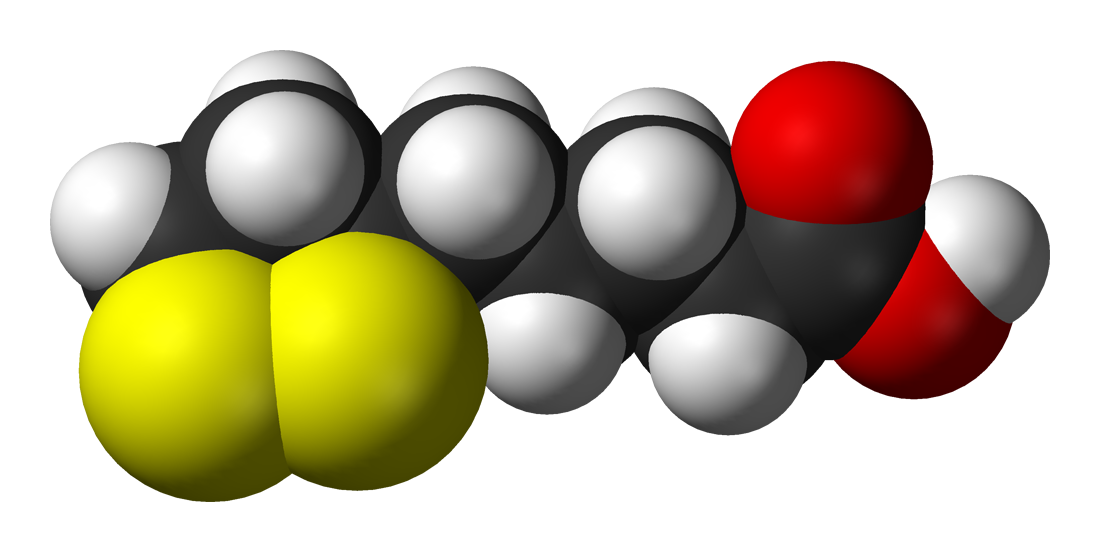
Alpha lipoic acid (ALA) is a naturally occurring organosulfur compound essential for aerobic metabolism, produced in animals and available as a dietary supplement or pharmaceutical drug. ## Overview Alpha lipoic acid (ALA) is a crucial organosulfur compound that plays a vital role in various metabolic processes. It is a naturally occurring compound found in animals, where it is synthesized in the mitochondria, the energy-producing structures within cells. ALA is essential for the proper functioning of the body's energy-producing pathways, including the citric acid cycle and the electron transport chain. As a dietary supplement or pharmaceutical drug, ALA has been used to support various health benefits, including antioxidant properties, improved insulin sensitivity, and enhanced cognitive function. The structure of ALA consists of a sulfur-containing ring, which is responsible for its unique properties. The compound exists in two enantiomers, the (R)-(+)-enantiomer (RLA) and the (S)-(-)-enantiomer (SLA), with RLA being the naturally occurring form. ALA is highly soluble in water and has a relatively low molecular weight, making it easily absorbed by the body. ## History/Background The discovery of ALA dates back to the 1950s, when researchers first isolated the compound from animal tissues. Initially, ALA was thought to be a byproduct of fatty acid metabolism, but further studies revealed its critical role in energy production. In the 1960s, ALA was first synthesized in the laboratory, allowing for its use as a dietary supplement and pharmaceutical drug. Today, ALA is widely available in various forms, including capsules, tablets, and powders. ## Key Information - **Structure:** ALA is an organosulfur compound with a sulfur-containing ring. - **Function:** ALA is essential for aerobic metabolism, serving as a cofactor for various enzymes involved in energy production. - **Forms:** ALA is available as a dietary supplement or pharmaceutical drug, with various forms including capsules, tablets, and powders. - **Absorption:** ALA is highly soluble in water and easily absorbed by the body. - **Enzyme cofactor:** ALA serves as a cofactor for enzymes involved in the citric acid cycle and electron transport chain. - **Antioxidant properties:** ALA has antioxidant properties, helping to protect cells from oxidative damage. - **Insulin sensitivity:** ALA has been shown to improve insulin sensitivity, reducing the risk of developing type 2 diabetes. - **Cognitive function:** ALA has been linked to improved cognitive function and a reduced risk of age-related cognitive decline. ## Significance The significance of ALA lies in its critical role in energy production and its potential health benefits. As a dietary supplement or pharmaceutical drug, ALA has been used to support various health benefits, including antioxidant properties, improved insulin sensitivity, and enhanced cognitive function. ALA's role in energy production makes it essential for maintaining optimal health, particularly in individuals with energy-intensive lifestyles or those at risk of developing metabolic disorders. INFOBOX: - Name: Alpha Lipoic Acid - Type: Organosulfur compound - Date: 1950s (discovery) - Location: Animal tissues - Known For: Essential cofactor for aerobic metabolism and antioxidant properties TAGS: Alpha lipoic acid, organosulfur compound, antioxidant, insulin sensitivity, cognitive function, energy production, citric acid cycle, electron transport chain, dietary supplement, pharmaceutical drug.

Alzheimer Disease

** Alzheimer disease is the world’s most common cause of dementia, a progressive brain disorder that robs individuals of memory, identity, and independence, affecting millions and driving urgent research and public‑health action. **CONTENT:** ## Overview Alzheimer disease (AD) is a chronic, progressive neurodegenerative disorder that accounts for **60‑80 % of all dementia cases** worldwide. First identified in the early 20th century, it is characterized pathologically by extracellular **amyloid‑β plaques** and intracellular **neurofibrillary tangles** composed of hyper‑phosphorylated tau protein. Clinically, patients experience a relentless decline in memory, language, visuospatial skills, and executive function, eventually losing the ability to perform basic activities of daily living. Globally, an estimated **55 million people** live with dementia, and AD is the leading contributor. In the United States alone, **≈ 6.2 million Americans aged ≥ 65** were living with AD in 2023, making it the **6th leading cause of death**. The disease imposes a staggering economic burden—U.S. health‑care costs exceeded **$300 billion** in 2022, with informal caregiving adding billions more. Despite these numbers, definitive disease‑modifying therapies remain elusive, underscoring the importance of early detection, risk‑reduction strategies, and supportive care. ## Background & Origins The story of Alzheimer disease begins with **Alois Alzheimer** (1864‑1915), a German psychiatrist and neuropathologist. In **1901**, Alzheimer began treating **Auguste Deter**, a 51‑year‑old woman who presented with progressive memory loss, language disturbances, and personality changes. After Deter’s death in **1906**, Alzheimer performed a post‑mortem examination, discovering **neuronal loss, cortical atrophy, and the hallmark plaques and tangles**. He presented these findings at the **Tübingen meeting of the German Psychiatric Society in 1906**, and later published the seminal paper **“Über eine eigenartige Erkrankung der Hirnrinde”** in **1910**, coining the term “Alzheimer’s disease” for this distinct clinical‑pathological entity. For decades the condition was considered a rare, “senile” form of dementia, but epidemiologic studies in the 1970s and 1980s revealed its true prevalence. The **NINCDS‑ADRDA criteria (1984)** and later the **DSM‑5 (2013)** standardized diagnosis, while advances in neuroimaging and cerebrospinal fluid biomarkers transformed AD from a purely clinical diagnosis to one supported by objective laboratory evidence. ## Major Achievements & Milestones **First cholinesterase inhibitor approval (1996):** The FDA approved **donepezil** (Aricept), the first drug shown to modestly improve cognition and daily functioning in mild‑to‑moderate AD, inaugurating a new therapeutic class. **Discovery of amyloid‑β peptide (1984):** **George Glenner** and **C. M. Glenner** isolated the 4‑kDa amyloid‑β fragment, confirming that amyloid plaques are composed of a specific peptide derived from the amyloid precursor protein (APP). This finding redirected research toward the “amyloid cascade hypothesis.” **Genetic breakthroughs (1991‑1995):** Mutations in **APP (1991)**, **PSEN1 (1995)**, and **PSEN2 (1995)** were linked to early‑onset familial AD, while the **APOE ε4 allele** was identified as the strongest genetic risk factor for late‑onset AD in **1995**, providing a genetic framework for risk stratification. **First disease‑modifying antibody (2021):** The FDA granted accelerated approval to **aducanumab (Aduhelm)**, an anti‑amyloid monoclonal antibody, marking the first therapy aimed at reducing amyloid plaques, albeit amid controversy over clinical efficacy. **Leqembi approval (2023):** **Lecanemab**, another anti‑amyloid antibody, received full FDA approval after the **CLARITY‑AD trial** demonstrated a statistically significant slowing of cognitive decline, offering renewed hope for disease‑modifying treatment. ## Timeline - **1906**: Alois Alzheimer presents the first case (Auguste Deter) at the Tübingen meeting. - **1910**: Publication of Alzheimer’s landmark paper describing plaques and tangles. - **1976**: First epidemiologic study (the “Nun Study”) highlights AD prevalence in aging populations. - **1984**: NINCDS‑ADRDA criteria standardize clinical diagnosis; amyloid‑β peptide identified. - **1996**: FDA approval of donepezil, the first cholinesterase inhibitor for AD. - **2003**: FDA approves memantine, an NMDA‑receptor antagonist for moderate‑to‑severe AD. - **2021**: FDA grants accelerated approval to aducanumab, the first amyloid‑targeting antibody. - **2023**: Lecanemab receives full FDA approval after robust phase‑III trial results. ## Impact & Legacy Alzheimer disease reshaped modern neurology, geriatrics, and public‑health policy. Its prevalence has driven **global initiatives** such as the **World Health Organization’s Global Action Plan on the Public Health Response to Dementia (2017‑2025)** and the **U.S. National Alzheimer’s Project Act (2009)**, which funds research, caregiver support, and public awareness campaigns. Culturally, AD has entered the collective consciousness through literature, film, and advocacy—think of the Pulitzer‑winning memoir **“The Longest Day”** or the Oscar‑winning documentary **“Alive Inside.”** The disease also spurred ethical debates about **diagnostic disclosure**, **advance directives**, and **clinical trial design**, influencing legislation on research funding and patient rights. ## Records & Notable Facts - **Prevalence:** AD accounts for **≈ 70 % of all dementia cases** worldwide. - **Mortality:** It is the **6th leading cause of death** in the United States (2022 CDC data). - **Economic impact:** U.S. health‑care expenditures for AD surpassed **$300 billion** in 2022. - **Gender disparity:** About **two‑thirds** of AD patients are women, reflecting longer life expectancy and possible biological factors. - **First diagnostic biomarker:** In **1995**, reduced cerebrospinal fluid (CSF) Aβ42 levels were shown to correlate with amyloid pathology, paving the way for modern biomarker‑driven diagnosis. > “The disease is a progressive loss of memory and other mental functions.” – **Alois Alzheimer** **INFOBOX:** - Full Name: Alzheimer disease (also Alzheimer’s disease) - Born: N/A - Died: N/A - Age: N/A - Nationality: N/A - Occupation: N/A - Active Years: 1906‑present (year first described) - Known For: Progressive neurodegeneration; amyloid‑β plaques & tau tangles - Awards: N/A - Spouse: N/A - Children: N/A - Height: N/A - Net Worth: N/A - World Records: N/A - Championships: N/A **FACTS:** - Birth Date: N/A (type: date) - Birth Place: N/A (type: location) - Death Date: N/A (type: date) - Career Start: 1906 (type: year) - Peak Achievement: Identification of amyloid‑β peptide (1984) (type: achievement) - Career Earnings: N/A (type: statistic) - World Record: N/A (type: record) - Famous Quote: “The disease is a progressive loss of memory and other mental functions.” (type: quote) - Fun Fact: Alzheimer disease accounts for **60‑80 % of all dementia** cases worldwide (type: trivia) - Legacy Stat: **≈ 6.2 million Americans** living with AD in 2023 (type: statistic) **TAGS:** alzheimer’s, dementia, neurodegeneration, neurology, genetics, epidemiology, treatment, history *This article is for educational purposes only. Always consult qualified health professionals for diagnosis, treatment, or medical advice.*

Alzheimers Disease

Alzheimer's disease is a progressive, irreversible neurodegenerative disorder that affects memory, thinking, and behavior, ultimately leading to a decline in cognitive function and loss of bodily functions. ## Overview Alzheimer's disease (AD) is a complex and multifaceted condition that affects millions of people worldwide. It is the most common form of dementia, accounting for approximately 60-70% of cases. The disease is characterized by the progressive loss of memory, thinking, and behavioral abilities, ultimately leading to a decline in cognitive function and loss of bodily functions. Alzheimer's disease is a leading cause of disability and mortality among older adults, with the average life expectancy following diagnosis ranging from three to twelve years. The early symptoms of Alzheimer's disease often go unnoticed, but as the disease advances, individuals may experience problems with language, disorientation, mood swings, loss of motivation, self-neglect, and behavioral issues. As the condition declines, individuals may withdraw from family and society, leading to social isolation and decreased quality of life. Alzheimer's disease is a devastating condition that affects not only the individual but also their loved ones, caregivers, and the broader community. ## History/Background Alzheimer's disease was first described by Alois Alzheimer in 1906, a German psychiatrist and neuropathologist who identified the disease in a 51-year-old woman named Auguste Deter. Alzheimer's groundbreaking work led to the discovery of the disease's characteristic histopathological features, including amyloid plaques and neurofibrillary tangles. Since then, significant advances have been made in understanding the disease's underlying mechanisms, diagnosis, and treatment. In the early 20th century, Alzheimer's disease was considered a rare condition, but as the population aged, the prevalence of the disease increased. In the 1970s and 1980s, researchers began to develop diagnostic criteria for Alzheimer's disease, which led to a better understanding of the disease's progression and impact on individuals and families. Today, Alzheimer's disease is recognized as a major public health concern, with an estimated 50 million people worldwide living with the disease. ## Key Information ### **Causes and Risk Factors** While the exact causes of Alzheimer's disease are still unknown, research suggests that a combination of genetic, environmental, and lifestyle factors contribute to the development of the disease. Risk factors include: * Age: Alzheimer's disease is a degenerative condition that affects older adults, with the majority of cases occurring after the age of 65. * Family history: Individuals with a family history of Alzheimer's disease are more likely to develop the disease. * Genetics: Certain genetic mutations, such as APOE-e4, increase the risk of developing Alzheimer's disease. * Lifestyle factors: Physical inactivity, social isolation, and poor diet may contribute to the development of Alzheimer's disease. ### **Symptoms and Stages** The symptoms of Alzheimer's disease can be divided into three stages: 1. **Early-stage Alzheimer's**: Individuals may experience mild cognitive impairment, including difficulty with memory, language, and problem-solving. 2. **Moderate-stage Alzheimer's**: Symptoms worsen, and individuals may experience significant cognitive decline, including difficulty with daily activities and communication. 3. **Late-stage Alzheimer's**: Individuals may experience severe cognitive decline, including loss of motor function, incontinence, and difficulty with swallowing. ### **Diagnosis and Treatment** Diagnosing Alzheimer's disease can be challenging, as the symptoms can be similar to other conditions. A comprehensive diagnostic evaluation, including medical history, physical examination, laboratory tests, and cognitive assessments, is necessary to confirm the diagnosis. While there is currently no cure for Alzheimer's disease, various treatments can help manage symptoms and slow disease progression, including: * **Cholinesterase inhibitors**: Medications that increase the levels of acetylcholine in the brain, which can help improve cognitive function. * **Memantine**: A medication that blocks the action of glutamate, a neurotransmitter that can contribute to the development of Alzheimer's disease. * **Non-pharmacological interventions**: Behavioral therapies, such as cognitive training and support groups, can help individuals and families cope with the disease. ## Significance Alzheimer's disease has a significant impact on individuals, families, and society as a whole. The disease affects not only the individual but also their loved ones, caregivers, and the broader community. Alzheimer's disease is a leading cause of disability and mortality among older adults, with significant economic and social costs. Understanding the disease's underlying mechanisms, diagnosis, and treatment is essential to developing effective interventions and improving the quality of life for individuals and families affected by the disease. INFOBOX: - Name: Alzheimer's disease - Type: Neurodegenerative disorder - Date: 1906 (first described by Alois Alzheimer) - Location: Global - Known For: Most common form of dementia, leading cause of disability and mortality among older adults TAGS: Neurodegenerative disease, dementia, Alzheimer's disease, cognitive impairment, memory loss, aging, public health, healthcare, gerontology.

Anatomy Around The World

Anatomy Encyclopedia Entry 1775249944

Anatomy Encyclopedia Entry 1775279228

** The **Pectoralis Major** is a large, fan-shaped muscle in the chest that plays a crucial role in movements of the shoulder joint, including flexion, extension, and rotation. ## Overview The **Pectoralis Major** is a complex muscle that originates from the anterior (front) surface of the **pectoralis minor** muscle and the **clavicle** (collarbone), and inserts into the **humerus** (upper arm bone). It is one of the largest muscles in the human body, covering a significant portion of the chest. The **Pectoralis Major** is responsible for a wide range of movements, including flexion (lifting the arm forward), extension (lifting the arm backward), and rotation (rotating the arm inward or outward). The **Pectoralis Major** is divided into two distinct parts: the **sternal head** and the **clavicular head**. The **sternal head** originates from the **sternum** (breastbone) and the **xiphoid process** (a small, cartilaginous structure at the bottom of the sternum). The **clavicular head** originates from the **clavicle**. Both heads of the **Pectoralis Major** converge to form a single tendon that inserts into the **humerus**. ## History/Background The study of the **Pectoralis Major** dates back to ancient civilizations, with early anatomists such as **Andreas Vesalius** and **Galen** providing detailed descriptions of the muscle's structure and function. In the 16th century, **Andreas Vesalius** published his groundbreaking work, "De humani corporis fabrica," which included detailed illustrations of the **Pectoralis Major**. Throughout the centuries, anatomists and physiologists have continued to study the **Pectoralis Major**, refining our understanding of its structure and function. ## Key Information * **Origin:** The **Pectoralis Major** originates from the anterior surface of the **pectoralis minor** muscle and the **clavicle**. * **Insertion:** The **Pectoralis Major** inserts into the **humerus** via a single tendon. * **Function:** The **Pectoralis Major** is responsible for flexion, extension, and rotation of the shoulder joint. * **Blood Supply:** The **Pectoralis Major** is supplied by the **pectoral branch of the thoracoacromial artery**. * **Nerve Supply:** The **Pectoralis Major** is innervated by the **lateral pectoral nerve** and the **medial pectoral nerve**. ## Significance The **Pectoralis Major** plays a crucial role in everyday activities, such as lifting, throwing, and pushing. It is also essential for athletic movements, such as swimming, rowing, and weightlifting. In addition, the **Pectoralis Major** is often targeted in exercises such as push-ups and dumbbell presses, making it a key muscle for building strength and muscle mass. INFOBOX: - **Name:** Pectoralis Major - **Type:** Muscle - **Date:** Ancient civilizations (e.g., Andreas Vesalius, 16th century) - **Location:** Chest - **Known For:** Flexion, extension, and rotation of the shoulder joint TAGS: **Anatomy**, **Muscle**, **Chest**, **Shoulder**, **Flexion**, **Extension**, **Rotation**, **Exercise**, **Athleticism**

Anatomy Encyclopedia Entry 1775287864

Anatomy Encyclopedia Entry 1775291527

Anatomy Encyclopedia Entry 1775294286

Anatomy Encyclopedia Entry 1775296147

** The **Cerebellum** is a vital part of the **Central Nervous System (CNS)**, responsible for coordinating movements, balance, and posture. ## Overview The **Cerebellum** is a complex and highly specialized structure located at the base of the brain, beneath the **Cerebrum**. It is a crucial component of the **Central Nervous System (CNS)**, playing a vital role in regulating various bodily functions, including movement, balance, coordination, and posture. The **Cerebellum** is divided into three main regions: the **Cerebellar Hemispheres**, the **Cerebellar Vermis**, and the **Cerebellar Peduncles**. These regions work together to enable precise and coordinated movements, as well as to maintain balance and equilibrium. The **Cerebellum** is composed of a network of neurons, or nerve cells, that communicate with each other through electrical and chemical signals. This complex communication system allows the **Cerebellum** to process and integrate information from various sources, including sensory inputs, motor commands, and cognitive processes. The **Cerebellum** is also involved in learning and memory, particularly in the acquisition of motor skills and the adaptation of movements to changing environments. ## History/Background The study of the **Cerebellum** dates back to ancient civilizations, with early descriptions of its function and structure appearing in the works of Greek physicians such as **Galen** and **Aristotle**. However, it was not until the 19th century that the **Cerebellum** began to be studied in greater detail, with the discovery of its role in motor coordination and balance. The development of modern neuroanatomy and neurophysiology has further elucidated the **Cerebellum's** complex functions and has led to a greater understanding of its role in various neurological disorders. ## Key Information * **Location**: The **Cerebellum** is located at the base of the brain, beneath the **Cerebrum**. * **Function**: The **Cerebellum** is responsible for coordinating movements, balance, and posture. * **Structure**: The **Cerebellum** is composed of three main regions: the **Cerebellar Hemispheres**, the **Cerebellar Vermis**, and the **Cerebellar Peduncles**. * **Neurons**: The **Cerebellum** is composed of a network of neurons that communicate with each other through electrical and chemical signals. * **Functions**: The **Cerebellum** is involved in learning and memory, particularly in the acquisition of motor skills and the adaptation of movements to changing environments. * **Damage**: Damage to the **Cerebellum** can result in ataxia, a loss of coordination and balance. ## Significance The **Cerebellum** plays a vital role in maintaining balance and coordination, and damage to this structure can result in significant impairments. The **Cerebellum** is also involved in learning and memory, particularly in the acquisition of motor skills. Understanding the **Cerebellum's** complex functions has led to the development of new treatments for various neurological disorders, including ataxia and cerebellar atrophy. INFOBOX: - **Name**: Cerebellum - **Type**: Brain structure - **Date**: Ancient civilizations (Galen, Aristotle) - **Location**: Base of the brain, beneath the Cerebrum - **Known For**: Coordinating movements, balance, and posture TAGS: **Cerebellum**, **Central Nervous System (CNS)**, **Brain**, **Motor Coordination**, **Balance**, **Posture**, **Learning**, **Memory**, **Neuroanatomy**, **Neurophysiology**

Anatomy Encyclopedia Entry 1775305685

Anatomy Encyclopedia Entry 1775306709

Anatomy Encyclopedia Entry 1775308626

Anatomy Encyclopedia Entry 1775316011