




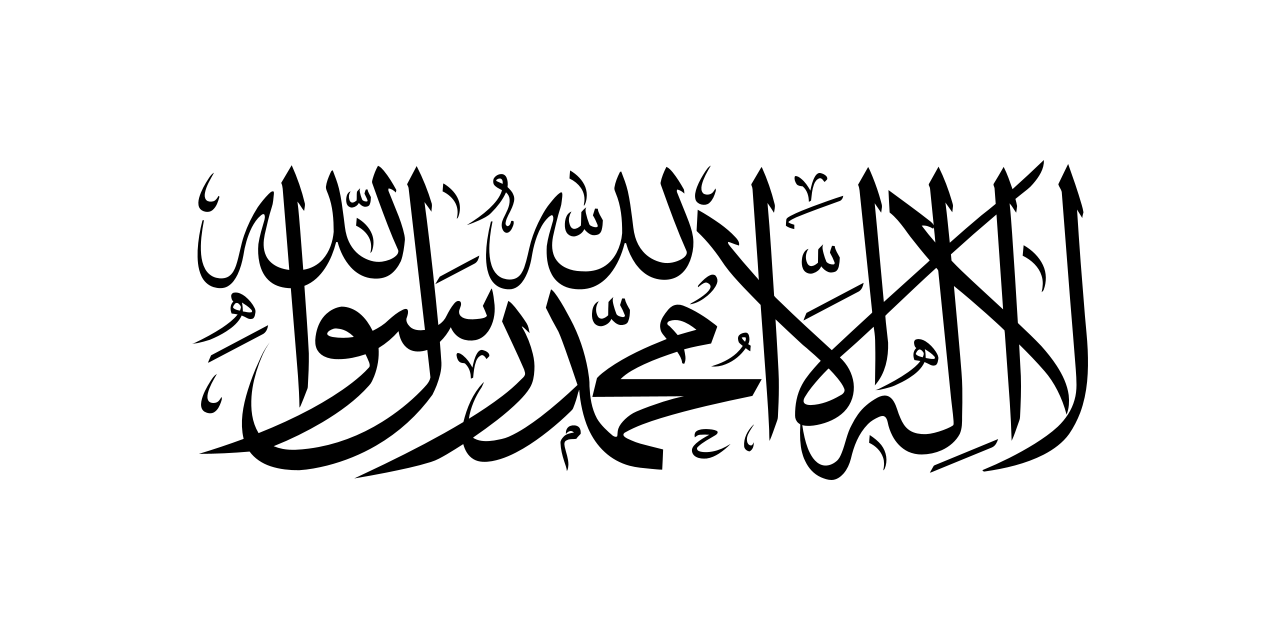
**
Overview
Afghanistan occupies 652,864 km² of rugged terrain, making it the 41st largest country in the world. The Hindu Kush mountain chain dominates the landscape, slicing the nation into a high‑altitude plateau in the east and a series of fertile plains in the north and southwest. This dramatic topography has shaped the lives of its peoples for millennia, fostering a mosaic of ethnic groups—primarily Pashtuns, Tajiks, Hazaras, and Uzbeks—each with distinct languages, customs, and histories.The capital, Kabul, sits in a valley at 1,800 m above sea level and serves as the political, economic, and cultural hub. Despite its modest size, the city has been a crossroads for trade caravans traveling the ancient Silk Road, linking the Indian subcontinent with Central Asia and the Middle East. Afghanistan’s population estimates range from 35 million to 50 million, reflecting both rapid growth and the challenges of census‑taking in a country marked by internal displacement and migration.
Bordering Pakistan, Iran, Turkmenistan, Uzbekistan, Tajikistan, and a narrow strip of China’s Xinjiang region, Afghanistan’s strategic location has made it a focal point for regional power dynamics. Its land‑locked status has spurred reliance on neighboring ports and corridors, influencing contemporary debates over trade routes such as the Lapis Lazuli corridor and the China‑Pakistan Economic Corridor (CPEC).
History/Background
Human settlement in Afghanistan dates back to the Indus Valley Civilization (c. 3300 BCE), with successive waves of Achaemenid, Greek, Kushan, and Islamic empires leaving indelible marks. The region became a center of Buddhist culture in the early centuries CE, evident in the spectacular Bamiyan Buddhas (now destroyed). The Arab conquest in the 7th century introduced Islam, which gradually became the dominant faith and cultural framework.The modern Afghan state emerged in the 18th century under Ahmad Shah Durrani, who unified disparate tribal territories into the Durrani Empire, often regarded as the foundation of contemporary Afghanistan. The 19th century “Great Game” between Britain and Russia turned Afghanistan into a buffer state, leading to three Anglo‑Afghan wars (1839‑1842, 1878‑1880, 1919). Independence was formally recognized after the Treaty of Rawalpindi in 1919.
The 20th century saw a series of monarchic, republican, and socialist regimes, culminating in the Soviet invasion of 1979. A decade of guerrilla warfare gave way to civil war after Soviet withdrawal in 1989, and the rise of the Taliban in the mid‑1990s established an austere Islamic emirate. The U.S.-led invasion in 2001 toppled the Taliban regime, ushering in a fragile democratic experiment that lasted two decades before the Taliban’s return to power in August 2021, re‑establishing the Islamic Emirate of Afghanistan.
Key Information
- Official name: Islamic Emirate of Afghanistan - Capital & largest city: Kabul (population ~4.6 million) - Area: 652,864 km² (252,072 sq mi) - Population: 35–50 million (2023 estimate) - Languages: Dari (Afghan Persian) and Pashto (both official); numerous regional languages. - Religion: Predominantly Sunni Islam (≈ 85 %); Shia minority (≈ 15 %). - Economy: Agriculture (wheat, fruits, opium poppy), mining (copper, lithium), and a modest services sector; GDP per capita remains among the world’s lowest. - Geography: 75 % mountainous; key ranges include the Hindu Kush, Pamir, and Safed Koh. The Amu Darya river forms the northern border, while the Helmand basin sustains the arid south. - Cultural heritage: UNESCO sites such as Minaret of Jam, Bamiyan Valley, and the historic city of Herat showcase a blend of Persian, Islamic, and Central Asian artistry. - Current political structure: The Taliban’s Supreme Leader holds ultimate authority; a Cabinet appointed by the leader administers ministries, though international recognition remains limited.Significance
Afghanistan’s significance stems from its geopolitical crossroads, serving as a conduit for trade, ideas, and, regrettably, conflict. Its mountains have historically provided refuge for insurgent movements, influencing regional security dynamics from the Soviet era to the post‑9/11 world. The country’s cultural tapestry—from poetry of Rumi and Khalil Gibran to intricate carpet weaving—has enriched global heritage, while its strategic mineral reserves (notably the Azerbaijan‑Afghan copper‑gold project) hold potential to reshape its economic future if stability returns.The humanitarian challenges—mass displacement, limited healthcare, and educational gaps—underscore the global community’s responsibility to support Afghan refugees and development initiatives. Moreover, Afghanistan’s experience illustrates the complexities of nation‑building in a terrain where tribal affiliations, external interventions, and ideological currents intersect. Its legacy continues to inform debates on sovereignty, counter‑terrorism, and the ethics of foreign involvement in fragile states.
INFOBOX:
- Name: Islamic Emirate of Afghanistan
- Type: Sovereign nation (land‑locked)
- Date: Established 2021 (current regime) – historic foundations 1747 (Durrani Empire)
- Location: Central‑South Asia, bordering Pakistan, Iran, Turkmenistan, Uzbekistan, Tajikistan, China
- Known For: Strategic crossroads, rugged Hindu Kush mountains, rich cultural heritage, ongoing political transformation
TAGS: Afghanistan, Central Asia, Islamic Emirate, Hindu Kush, Kabul, Taliban, Silk Road, Geopolitics


