




Overview
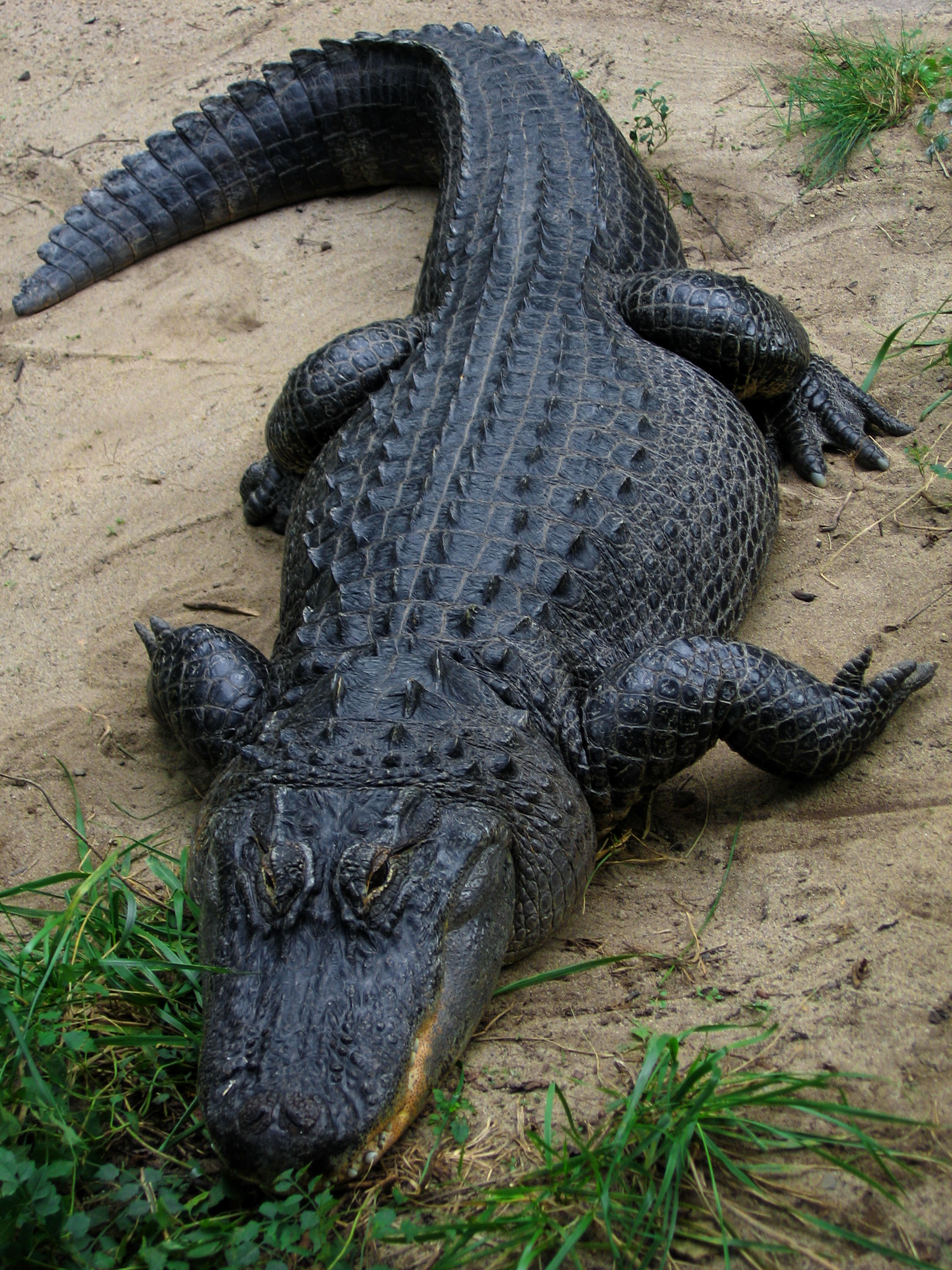
The American alligator is a robust, semi‑aquatic reptile that can exceed 13 ft (4 m) in length and weigh over 1,000 lb (450 kg). Its broad, U‑shaped snout, armored scutes, and powerful tail make it an efficient swimmer and ambush predator in swamps, marshes, rivers, and lakes. Despite its fearsome reputation, the species is generally shy, retreating from human activity unless provoked or habituated to feeding.Ecologically, alligators are keystone species. Their nesting mounds create elevated islands that support diverse plant communities, while their predation helps regulate populations of fish, turtles, and mammals. When alligators die, their carcasses provide a nutrient‑rich buffet for scavengers, and their burrows offer shelter for birds, mammals, and even other reptiles. This cascade of effects underscores the alligator’s pivotal role in maintaining wetland health and biodiversity across the Gulf Coast, the Atlantic seaboard, and inland river systems.
History/Background
Fossil evidence places the lineage of Alligator mississippiensis deep in the Cretaceous, but the modern species emerged during the Pleistocene, roughly 2–3 million years ago, as sea levels fluctuated and created the extensive freshwater habitats of the present‑day Southeast. Early Native American cultures revered the gator, incorporating its image into myths, art, and ceremonial objects. European colonists first documented the animal in the 16th century, noting its size and occasional attacks on livestock.By the early 20th century, rampant hunting for hide, meat, and sport drove the population to a critical low of fewer than 2,000 mature individuals. In 1967 the U.S. Fish and Wildlife Service listed the American alligator as endangered, prompting a landmark conservation program that banned commercial hunting, protected nesting sites, and instituted habitat restoration. The species’ numbers rebounded dramatically; by 1987 it was re‑classified as threatened, and in 2010 it achieved least‑concern status under the IUCN Red List—a testament to effective wildlife management.
Key Information
- Scientific name: Alligator mississippiensis - Size: Adults average 10–13 ft; record length 15 ft (4.6 m). - Lifespan: 35–50 years in the wild; up to 70 years in captivity. - Diet: Opportunistic carnivore—fish, amphibians, reptiles, birds, mammals, and carrion; juveniles consume insects and crustaceans. - Reproduction: Breeds once yearly; females lay 20–50 eggs in mound nests, incubating them for ~65 days. Temperature‑dependent sex determination produces males at cooler (~30 °C) and females at warmer (~33 °C) nest temperatures. - Habitat: Freshwater wetlands with abundant vegetation; tolerates brackish water in coastal estuaries. - Conservation status: IUCN Least Concern; protected under the U.S. Endangered Species Act (ESA) as a “recovered” species. - Economic impact: Generates $1–2 billion annually through hunting permits, ecotourism, and alligator‑skin products, while also providing ecosystem services valued at millions of dollars in water filtration and flood mitigation.Significance
The American alligator’s resurgence illustrates how science‑driven policy, public education, and habitat stewardship can reverse a species’ decline. Its presence signals healthy wetland ecosystems, which in turn protect coastal communities from storm surge and support fisheries vital to regional economies. Moreover, the alligator serves as a charismatic flagship species, galvanizing support for broader conservation initiatives that benefit countless other organisms sharing its habitat.From a cultural perspective, the gator has become an emblem of Southern identity, appearing in folklore, sports mascots, and culinary traditions. Its dual role as a feared predator and a conservation success story offers a powerful narrative for environmental educators, emphasizing the interconnectedness of human actions and wildlife outcomes. As climate change threatens wetland hydrology, the alligator’s adaptability—its ability to tolerate a range of temperatures and water salinities—will be a crucial factor in the resilience of southeastern ecosystems.


