




Abyssal Zone
** The abyssal zone is a vast, dark, high‑pressure oceanic realm spanning depths of 4,000–6,000 m, covering most of the planet’s seafloor and hosting uniquely adapted life. **CONTENT:** ## Overview The **abyssal zone** (also called the **abyssopelagic zone**) lies between roughly 4,000 m and 6,000 m below sea level, a depth range that places it well beneath the reach of sunlight. At these depths the ocean is in perpetual darkness, temperatures hover near **2–3 °C (36–37 °F)**, and hydrostatic pressure can exceed **76 MPa**—about 750 times the pressure at the surface. Despite these extreme conditions, the abyssal plain constitutes roughly **83 % of the ocean’s total area** and about **60 % of Earth’s surface**, making it the largest continuous habitat on the planet. The seafloor here is generally flat, covered by fine siliceous ooze, volcanic basalt, or sediment drifts from continental margins. Water chemistry is stable, with low nutrient fluxes but a constant supply of “marine snow”—a slow drizzle of organic particles that drift down from the productive surface layers. This tenuous food source sustains a surprisingly diverse assemblage of organisms, from giant tube worms and amphipods to bioluminescent fish and gelatinous cnidarians. Their adaptations—slow metabolism, pressure‑resistant enzymes, and often translucent or highly pigmented bodies—are a testament to evolution’s ingenuity in the deep. ## History/Background The concept of an “abyss” dates back to ancient Greek philosophy; the word **ἄβυσσος (ábussos)** literally means “bottomless.” Early naturalists such as **Charles Darwin** speculated about life at extreme depths, but it wasn’t until the late 19th century that technology began to pierce the darkness. The **HMS Challenger** expedition (1872‑1876) collected the first deep‑sea samples, revealing that life persisted far below the photic zone. In 1899, the **Bathyscaphe** designed by Auguste Piccard made the first manned descent to 10,000 m, confirming the existence of a distinct abyssal realm. Mid‑20th‑century advances—especially the development of **deep‑sea submersibles** (e.g., Alvin, Trieste) and **remote‑operated vehicles (ROVs)**—opened the abyss to systematic study. The 1970s and 1980s saw the first detailed mapping of abyssal plains using side‑scan sonar, while the **International Ocean Discovery Program (IODP)** began coring projects that uncovered sedimentary records spanning millions of years. These milestones transformed the abyss from a mythic void into a quantifiable, research‑rich environment. ## Key Information - **Depth Range:** 4,000–6,000 m (13,000–20,000 ft). - **Temperature:** 2–3 °C (36–37 °F) throughout most of the zone. - **Pressure:** Up to 76 MPa (≈750 atm). - **Coverage:** ~83 % of oceanic area; ~60 % of Earth’s surface. - **Geology:** Predominantly abyssal plains of fine sediment; occasional seamounts, hydrothermal vents, and cold seeps. - **Biology:** Low‑energy ecosystems dominated by detritivores, scavengers, and specialized predators; notable taxa include **holothurians**, **isopods**, **deep‑sea fish** (e.g., *Macrourus* spp.), and **bioluminescent organisms**. - **Chemistry:** Oxygen‑rich, low‑nutrient water; high dissolved silica from diatom frustules. - **Human Impact:** Emerging threats from deep‑sea mining, climate‑driven changes in carbon flux, and plastic debris accumulation. ## Significance Understanding the abyssal zone is critical for several reasons. First, its **carbon sequestration capacity**—the long‑term burial of organic matter in deep sediments—plays a pivotal role in regulating Earth’s climate. Second, the zone serves as a natural laboratory for studying **extremophile physiology**, offering clues for biotechnology, medicine, and even astrobiology. Third, the abyssal plain’s vast mineral deposits (e.g., manganese nodules, polymetallic sulfides) present both economic opportunities and conservation dilemmas; responsible stewardship hinges on robust scientific knowledge. Finally, the abyss is a cultural touchstone, reminding humanity of the planet’s hidden depths and the need to protect even the most remote ecosystems from exploitation. **INFOBOX:** - Name: Abyssal Zone (Abyssopelagic Zone) - Type: Oceanic pelagic layer - Date: Defined in modern oceanography, late 19th century (post‑Challenger) - Location: Global ocean basins, 4,000–6,000 m depth - Known For: Covering the majority of the seafloor, extreme pressure, perpetual darkness, and unique deep‑sea life **TAGS:** oceanography, deep‑sea ecology, marine geology, abyssal plain, bioluminescence, climate regulation, deep‑sea mining, extremophile research
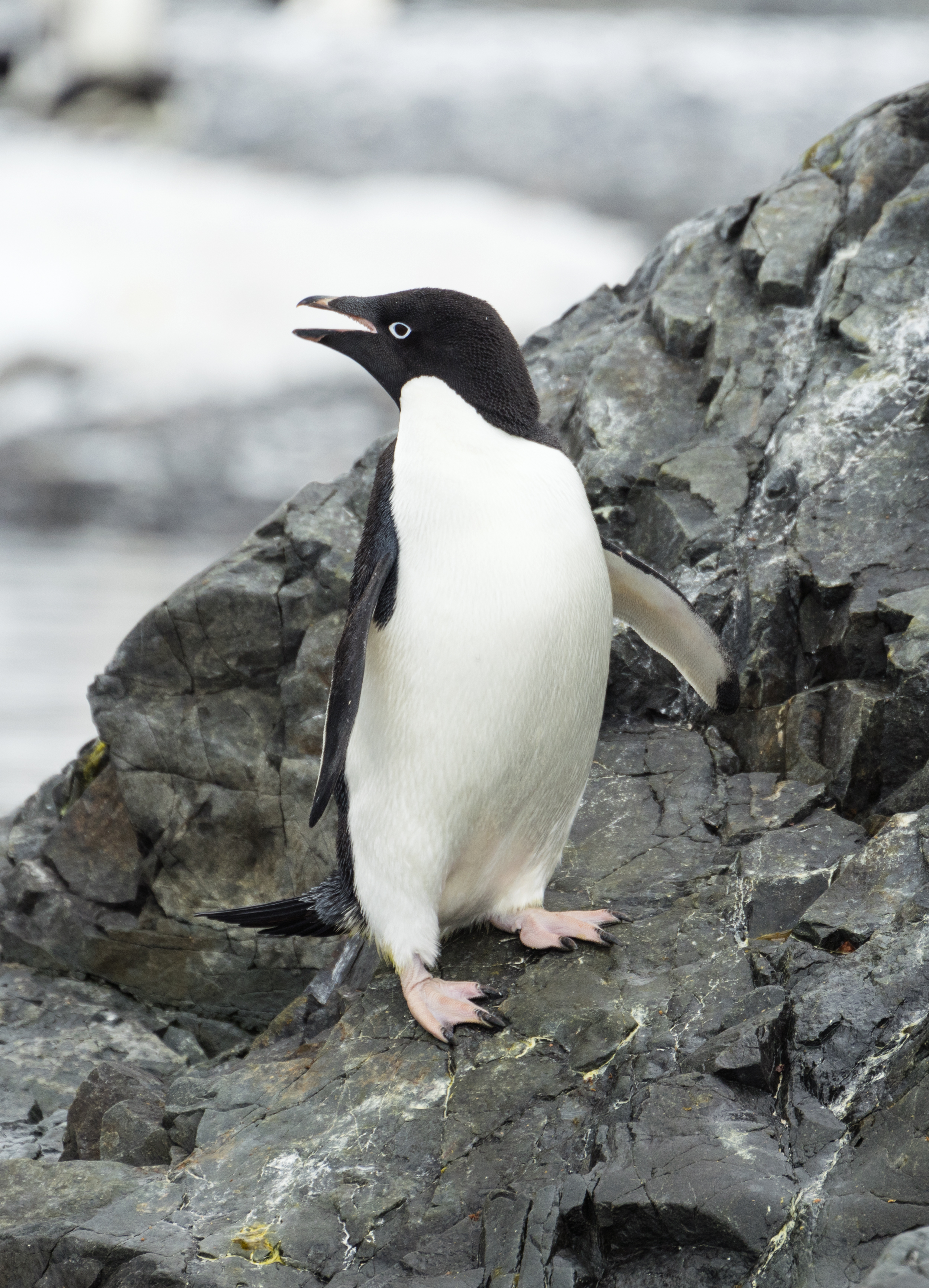
Adelie Penguin

Afforestation
** Afforestation is the intentional establishment of forest cover on lands that have not hosted trees in recent history, employing natural regeneration, agroforestry, or tree plantations to restore ecosystems, sequester carbon, and deliver socio‑economic benefits. **CONTENT:** ## Overview Afforestation refers to the **deliberate creation of forested landscapes** on sites that have been devoid of tree cover for a considerable period—typically decades or longer. Unlike reforestation, which restores forests on previously forested land, afforestation introduces trees to open fields, former agricultural plots, degraded rangelands, or even urban fringes. Practitioners employ three principal approaches: **natural regeneration**, where seed banks and spontaneous sprouting are encouraged; **agroforestry**, which integrates trees with crops or livestock to boost productivity and resilience; and **tree plantations**, where seedlings are deliberately planted in rows for timber, bioenergy, or carbon‑offset purposes. Beyond the obvious aesthetic appeal, newly established forests act as powerful climate regulators. Trees capture atmospheric CO₂ through photosynthesis, storing carbon in woody biomass and soils—a process known as **carbon sequestration**. Moreover, forest canopies modify local microclimates by enhancing evapotranspiration, which can increase precipitation, lower surface temperatures, and serve as windbreaks that protect nearby fields and settlements. The roots stabilize soils, curbing erosion, reducing runoff, and mitigating the risk of floods and landslides. In addition, afforested lands become habitats for a myriad of wildlife species, fostering biodiversity corridors that reconnect fragmented ecosystems. ## History/Background The concept of planting trees on barren lands dates back millennia, with early civilizations such as the Romans and Chinese employing tree planting for timber, shade, and soil protection. However, the modern scientific framing of **afforestation** emerged in the 20th century, driven by growing awareness of deforestation’s ecological toll. In the 1930s, the United States’ **Civilian Conservation Corps** launched large‑scale tree‑planting projects to combat the Dust Bowl’s soil loss. Post‑World War II, the United Nations Food and Agriculture Organization (FAO) began cataloguing global forest resources, and by the 1970s, afforestation entered international policy discussions as a tool for **climate change mitigation**. Key milestones include the 1992 **Rio Earth Summit**, where afforestation was highlighted in the United Nations Framework Convention on Climate Change (UNFCCC) as a viable carbon sink. The 2000s saw the rise of **payment‑for‑ecosystem‑services** schemes, incentivising private landowners to establish trees. More recently, the **Paris Agreement** (2015) reinforced afforestation in nationally determined contributions (NDCs), prompting nations like China, India, and Brazil to launch ambitious tree‑cover expansion targets. ## Key Information - **Three primary methods:** 1. *Natural regeneration* – protecting seed sources, removing grazing pressure, and allowing native species to recolonise. 2. *Agroforestry* – intercropping trees with annual crops or livestock, delivering food, fuel, and timber while enhancing soil health. 3. *Tree plantations* – often monocultures of fast‑growing species (e.g., *Eucalyptus*, *Pinus*) cultivated for timber, pulp, or carbon credits. - **Carbon potential:** Mature forests can store 100–200 t C ha⁻¹, while fast‑growing plantations may sequester 5–10 t C ha⁻¹ yr⁻¹ during the first 20 years. - **Climate co‑benefits:** Increased evapotranspiration can raise local rainfall by up to 10 %, and windbreaks can reduce wind speed by 30–50 % on leeward sides. - **Soil protection:** Tree roots improve aggregate stability, reducing topsoil loss by 40–70 % compared with bare ground. - **Biodiversity gains:** Even simple shelterbelts can support pollinators, birds, and small mammals, creating stepping‑stone habitats across agricultural mosaics. - **Socio‑economic outcomes:** Afforestation projects generate employment in nursery production, planting, and forest management; they also supply sustainable wood, fuel, and non‑timber forest products (NTFPs). ## Significance Afforestation sits at the nexus of climate action, ecosystem restoration, and rural development. By pulling carbon from the atmosphere, it directly contributes to **global mitigation pathways** that aim to limit warming to 1.5 °C. Its ability to **moderate local climates** offers a nature‑based solution to drought‑prone regions, potentially stabilising agricultural yields and water supplies. The erosion‑control function safeguards fertile soils, preserving the very foundation of food security. Ecologically, afforestation can reverse the cascade of habitat loss, providing corridors that enable species migration in response to shifting climate zones. When designed with native or mixed‑species plantings, it enhances **biodiversity resilience**, counteracting the homogenising effect of monoculture plantations. From a human perspective, the sector creates green jobs, supports community‑led enterprises, and supplies renewable timber that can replace carbon‑intensive materials. Nevertheless, the practice is not without controversy. Poorly planned monocultures may deplete water tables, reduce native biodiversity, or even emit more carbon if harvested unsustainably. Hence, contemporary afforestation emphasizes **ecologically informed design**, integrating local knowledge, species suitability assessments, and long‑term management plans. When executed responsibly, afforestation stands as a cornerstone of **nature‑based solutions**, weaving together climate mitigation, ecosystem health, and human well‑being. **INFOBOX:** - Name: Afforestation - Type: Land‑use and ecosystem restoration practice - Date: Concept formalised in the mid‑20th century (global policy prominence post‑1992) - Location: Worldwide; major programs in China, Brazil, India, USA, EU, and sub‑Saharan Africa - Known For: Large‑scale carbon sequestration, soil stabilization, and creation of multifunctional forest landscapes **TAGS:** afforestation, carbon sequestration, climate mitigation, agroforestry, reforestation, ecosystem restoration, biodiversity, sustainable forestry

African Buffalo
** The African buffalo (*Syncerus caffer*), a formidable and socially complex bovine of Sub‑Saharan Africa, is distinguished by its massive fused‑horn “boss,” unpredictable temperament, and pivotal role in savanna ecosystems. **CONTENT:** ## Overview The African buffalo, often called the **Cape buffalo** in its southern range, is the largest member of the true buffalo lineage. Adult males can weigh up to 1,200 kg (2,600 lb) and stand 1.5 m (5 ft) at the shoulder, while females are slightly smaller but equally robust. Their most striking feature is the pair of horns that curve outward, then inward, meeting at the base to create a solid, helmet‑like **boss** across the skull. This bony shield not only protects the animal during fierce intraspecific clashes but also serves as a visual cue of age and dominance within the herd. African buffaloes inhabit a patchwork of ecosystems—from the dense rainforests of the Congo Basin to the open grasslands of the Serengeti and the rugged savannas of South Africa. They are **highly adaptable**, capable of thriving in both wet season floodplains and dry, thorn‑scrub habitats. Herds typically consist of a core group of related females and their offspring, overseen by a few dominant bulls that join only during the brief breeding season. This matriarchal structure underpins the species’ sophisticated communication system, which includes low‑frequency vocalizations, scent marking, and synchronized movement that can confuse predators. ## History/Background Molecular studies reveal that the African buffalo diverged from its Asian relatives (*Bubalus* spp.) roughly 2–3 million years ago, making it more closely allied with water buffalo than with the American bison or domestic cattle. Fossil evidence places early *Syncerus* ancestors throughout the Pleistocene savannas, where they co‑evolved with megafaunal predators such as the now‑extinct **saber‑toothed cats**. The species’ modern distribution reflects a series of post‑glacial expansions and contractions, resulting in the **disconnected ranges** observed today—from southeastern Senegal across West and Central Africa to the southern tip of the continent. Human interaction with African buffaloes dates back millennia. Rock‑art panels in the Drakensberg and Sahara depict these beasts, underscoring their cultural significance to hunter‑gatherer societies. Unlike the wild water buffalo and yak, the African buffalo has never been domesticated; its **unpredictable temperament** and fierce defensive behavior have rendered it unsuitable for taming, a fact that has shaped both folklore and modern wildlife management. ## Key Information - **Scientific name:** *Syncerus caffer* - **Subspecies:** Six recognized, including the **Cape buffalo** (*S. c. caffer*) and the **forest buffalo** (*S. c. nanus*). - **Horn morphology:** Fused bases form a continuous **boss**, unique among bovids. - **Diet:** Primarily grazers; they also browse on shrubs and aquatic plants during dry periods. - **Reproduction:** Breeding peaks at the end of the rainy season; gestation lasts ~11 months, yielding a single calf. - **Predators:** Lions, African wild dogs, spotted hyenas, and Nile crocodiles—predation pressure is highest on calves and weakened adults. - **Conservation status:** Listed as **Least Concern** by the IUCN, yet certain subspecies (e.g., forest buffalo) face habitat loss and poaching pressures. - **Human conflict:** Their size and aggression lead to frequent crop raiding and occasional fatal encounters with livestock herders. - **Big Five:** The Cape buffalo’s reputation as one of Africa’s “Big Five” game animals makes it a coveted trophy for sport hunters, influencing both conservation funding and controversy. ## Significance Ecologically, African buffaloes are **ecosystem engineers**. Their grazing patterns shape grassland composition, promoting heterogeneity that benefits a suite of herbivores and predators. Wallowing in waterholes creates micro‑habitats for amphibians and insects, while their dung supports nutrient cycling and serves as a food source for dung beetles, which in turn enhance soil aeration. Socially, the species exemplifies complex herd dynamics, offering a living laboratory for studies on **collective decision‑making**, disease transmission (notably bovine tuberculosis), and climate resilience. From a conservation perspective, the buffalo’s status as a **flagship species** draws attention to broader savanna health. Anti‑poaching initiatives targeting the Big Five often protect entire ecosystems, benefitting lesser‑known fauna and flora. Conversely, the species’ reputation as a dangerous game animal fuels debates over sustainable hunting quotas, community‑based wildlife management, and the ethics of trophy hunting. Understanding the African buffalo’s biology and behavior is therefore essential for balancing **human livelihoods**, **biodiversity preservation**, and **economic incentives** across its range. **INFOBOX:** - Name: African buffalo (*Syncerus caffer*) - Type: Large bovine (true buffalo) - Date: First described scientifically in 1825 (Boddaert) - Location: Sub‑Saharan Africa (disconnected populations from Senegal to South Africa) - Known For: Massive fused‑horn “boss,” unpredictable temperament, and status as a Big Five game animal **TAGS:** African buffalo, wildlife ecology, conservation, Big Five, savanna ecosystems, bovine biology, predator‑prey dynamics, trophy hunting
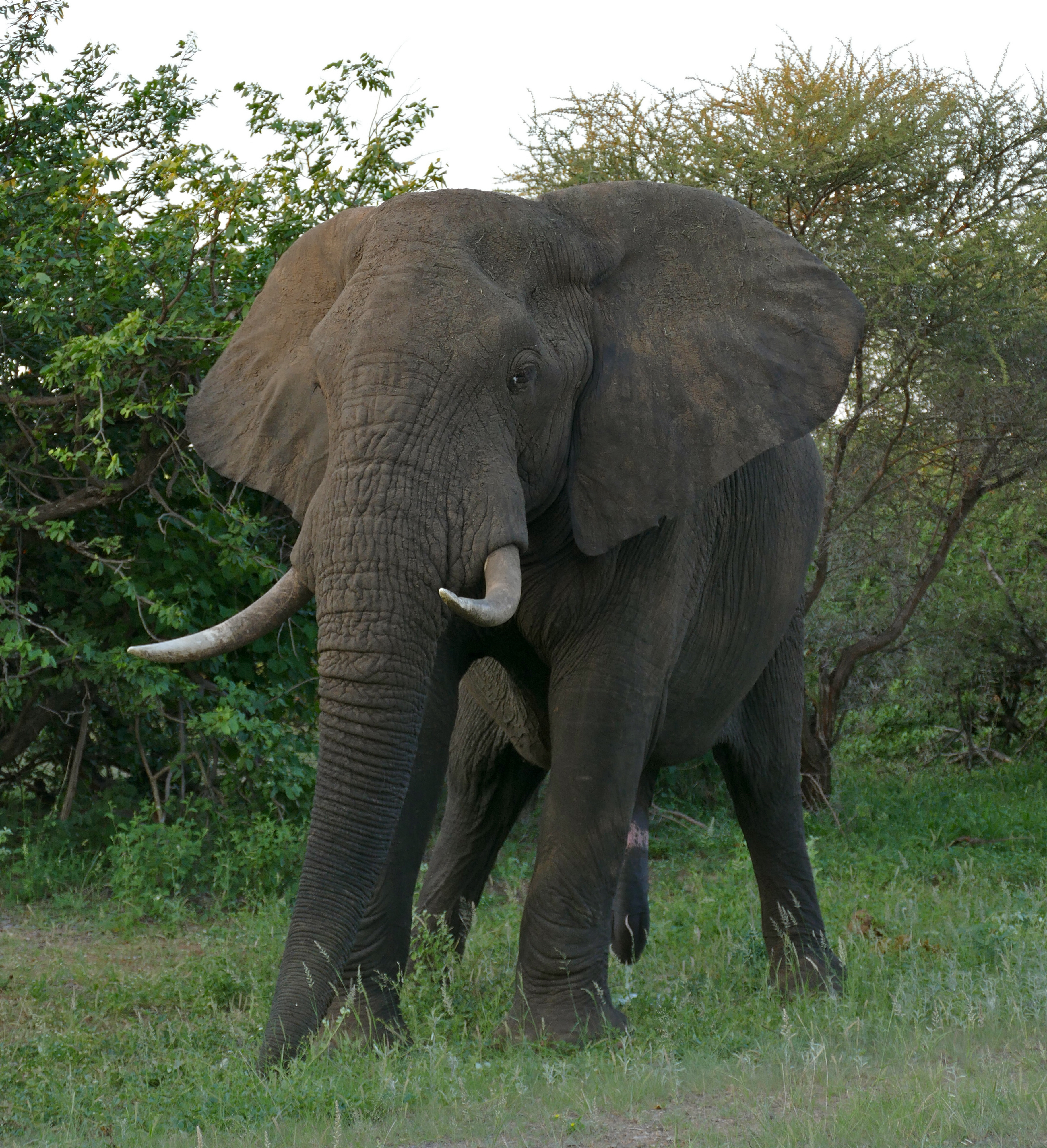
African Elephant

African Lion
** The African lion (*Panthera leo*) is a charismatic apex predator of Sub‑Saharan savannas, renowned for its social structure, iconic mane, and pivotal role in ecosystem health and cultural heritage. **CONTENT:** ## Overview The African lion is the only truly social member of the cat family, living in **prides** that can number from a few individuals to over thirty. A typical pride consists of related females, their offspring, and a coalition of one to several males that defend the territory. Physically, lions possess a muscular, broad‑chested body, a short rounded head, and round ears. The most striking sexual dimorphism is the male’s **mane**, a dense growth of hair that can extend from the head to the shoulders and chest, varying in color from light tan to deep black depending on age, genetics, and climate. Females, or lionesses, lack a mane but are the primary hunters, employing cooperative tactics to stalk and ambush prey such as wildebeest, zebra, and buffalo. Lions are apex predators and keystone species; their predation helps regulate herbivore populations, which in turn influences vegetation dynamics and the overall health of the savanna. Their presence also supports a suite of scavengers—hyenas, jackals, and vultures—by providing carrion. However, the species faces severe threats: habitat loss, human‑lion conflict, and poaching have driven a dramatic decline of roughly 43 % over the past three decades, confining most wild lions to protected areas and isolated fragments of their historic range. ## History/Background Fossil evidence places the lion’s ancestors in Africa as far back as the **Pleistocene**, about 2 million years ago. The modern African lion diverged from its Asian counterpart roughly 100 000–200 000 years ago, a split reflected in subtle differences in skull morphology and genetic markers. Historically, lions roamed across much of Africa, the Middle East, and even into Europe. By the early 20th century, European colonial hunting and expanding agriculture had eradicated lions from most of their former range, leaving a stronghold in the **Serengeti‑Maasai Mara ecosystem**, the **Kalahari**, and a few West African forest patches. In 1993, the International Union for Conservation of Nature (IUCN) listed the African lion as “Vulnerable,” a status upgraded to “Endangered” for West African populations in 2020. Conservation milestones include the establishment of the **African Lion Conservation Strategy** (1996), the creation of trans‑boundary protected corridors such as the **Great Limpopo Transfrontier Park**, and community‑based initiatives that compensate livestock owners for lion depredation, thereby reducing retaliatory killings. ## Key Information - **Scientific name:** *Panthera leo* - **Sexual dimorphism:** Males weigh 150–250 kg; females 120–182 kg. - **Mane function:** Provides protection in fights, signals health and dominance, and may aid thermoregulation. - **Social structure:** Female‑centric; males form coalitions that may be related or unrelated. - **Reproduction:** Females give birth to litters of 1–4 cubs after a 110‑day gestation; cub mortality can exceed 50 % due to predation, disease, or infanticide by incoming males. - **Diet:** Primarily large ungulates; opportunistic scavengers; occasional predation on smaller mammals and birds. - **Conservation status:** IUCN – Vulnerable (global); Endangered in West Africa. - **Threats:** Habitat fragmentation, human‑lion conflict, trophy hunting, illegal wildlife trade, and climate‑driven prey declines. ## Significance The African lion is more than a charismatic megafauna; it is a **cultural icon** that appears in art, folklore, and national emblems across Africa and beyond. Ecologically, lions help maintain the balance of herbivore populations, which prevents overgrazing and promotes biodiversity. Their decline serves as a barometer for the health of the savanna ecosystem, signaling broader environmental pressures such as land‑use change and climate variability. Conservation of lions catalyzes broader landscape protection, benefitting countless other species—from the iconic African elephant to lesser‑known antelopes and pollinators. Moreover, community‑based lion stewardship programs have demonstrated that wildlife can coexist with human livelihoods when incentives align, offering a template for sustainable coexistence across the continent. The lion’s fate thus intertwines with the future of African wildlife tourism, rural economies, and global biodiversity goals. **INFOBOX:** - Name: African Lion (*Panthera leo*) - Type: Mammalian carnivore, apex predator - Date: First described scientifically by Linnaeus, 1758 - Location: Sub‑Saharan Africa (with a small relict population in the Gir Forest, India) - Known For: Social pride structure, iconic mane, cultural symbolism **TAGS:** African lion, Panthera leo, wildlife conservation, apex predator, savanna ecosystem, biodiversity, human‑wildlife conflict, ecological keystone species

African Penguin
The African penguin, also known as the Cape penguin or South African penguin, is a unique and charismatic species of penguin found exclusively in southern African waters. ## Overview The African penguin is a fascinating and highly social bird species, renowned for its striking appearance and remarkable adaptability to its marine environment. These charismatic creatures have been a part of the southern African coastline for millions of years, with fossil records indicating their presence dates back to the Pliocene era, around 3.5 million years ago. The African penguin's distinctive black and white plumage, complete with a black facial mask and pink patches above the eyes, makes it a beloved and iconic symbol of the region. As a member of the Spheniscidae family, the African penguin is a flightless bird, with a streamlined body and stiffened, flattened wings that have evolved into powerful flippers, perfect for propelling itself through the water. Adults typically weigh between 2.2 and 3.5 kilograms (4.9-7.7 pounds) and stand approximately 60-70 centimeters (24-28 inches) tall. Their unique physiology and adaptations have enabled them to thrive in the harsh marine environment of southern Africa, where they feed on a diverse array of fish, squid, and crustaceans. ## History/Background The African penguin's history is deeply intertwined with the evolution of the southern African coastline. Fossil records indicate that the species has been present in the region for millions of years, with early ancestors dating back to the Pliocene era. Over time, the African penguin's range has contracted, and it is now found exclusively along the southern African coastline, from Namibia to South Africa. The species has faced numerous threats throughout its history, including overfishing, pollution, and climate change, which have all contributed to a significant decline in its population. ## Key Information * **Habitat:** The African penguin is found along the southern African coastline, from Namibia to South Africa. * **Diet:** These birds feed on a diverse array of fish, squid, and crustaceans. * **Conservation Status:** The African penguin is listed as Endangered on the IUCN Red List, with a population decline of over 60% in the past 20 years. * **Breeding:** African penguins breed on rocky islands and coastlines, with a single egg laid per breeding season. * **Lifespan:** In the wild, African penguins can live up to 20-30 years, while in captivity, they have been known to live up to 40 years. ## Significance The African penguin plays a vital role in the marine ecosystem of southern Africa, serving as both a predator and prey species. Their unique adaptations and social behavior have made them an important subject of study for scientists and conservationists alike. Unfortunately, the African penguin's population decline has raised concerns about the health of the marine ecosystem and the impact of human activities on the environment. Efforts to conserve and protect this iconic species are underway, including habitat restoration, research initiatives, and education programs aimed at raising awareness about the importance of marine conservation. INFOBOX: - Name: African Penguin - Type: Bird Species - Date: 3.5 million years ago (fossil records) - Location: Southern African coastline, from Namibia to South Africa - Known For: Unique appearance, social behavior, and adaptability to marine environment TAGS: African penguin, Cape penguin, South African penguin, flightless bird, marine conservation, endangered species, southern Africa, wildlife conservation.
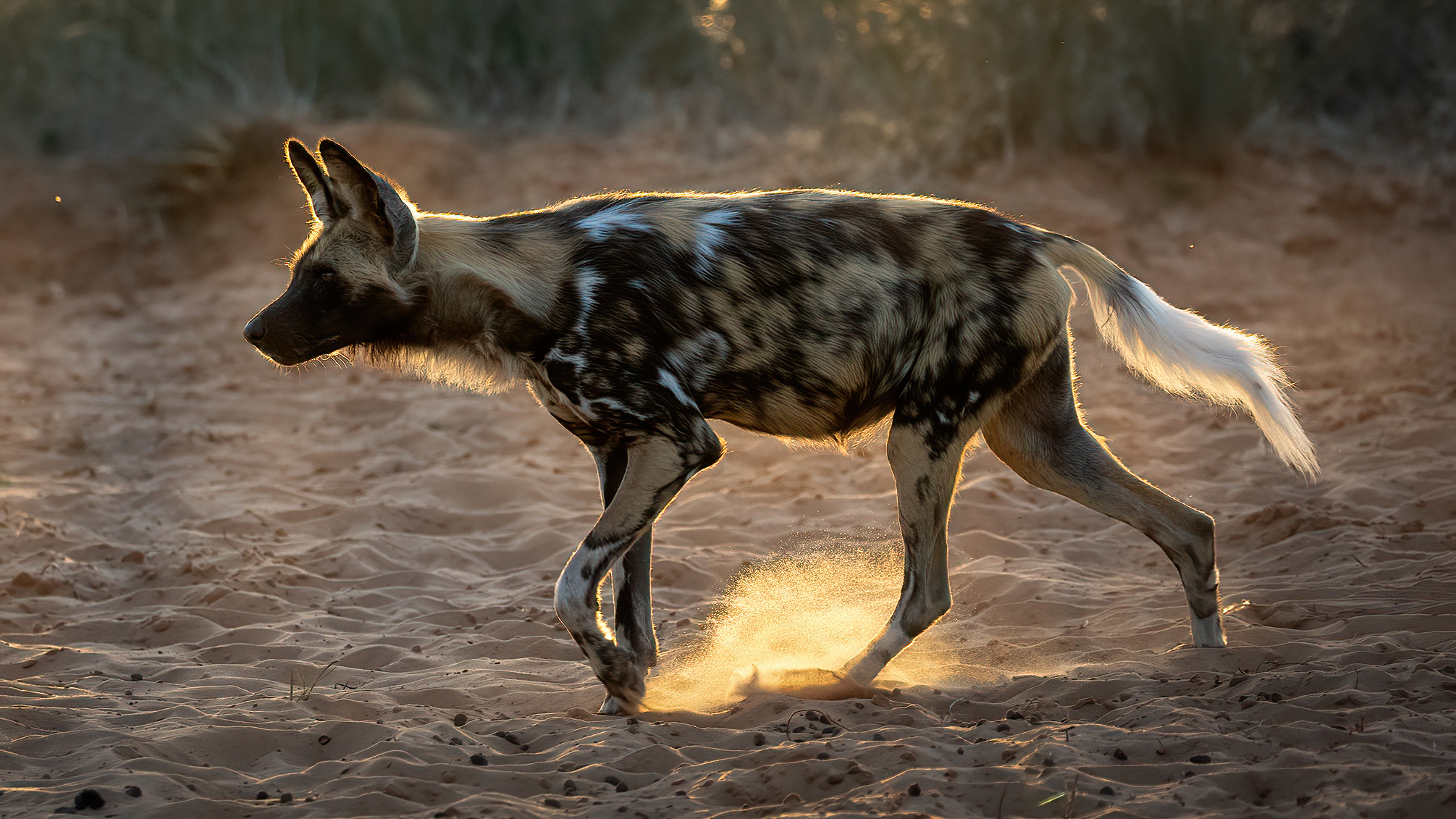
African Wild Dog
** The African wild dog (*Lycaon pictus*), also known as the painted dog or Cape hunting dog, is a highly social, hypercarnivorous canid native to sub‑Saharan Africa, distinguished by its unique coat pattern, large rounded ears, and specialized dentition. **CONTENT:** ## Overview The African wild dog is the largest wild canine on the African continent, weighing 18–36 kg and standing 60–80 cm at the shoulder. Its most striking feature is a mottled coat of yellow, black, white, and reddish patches that varies from individual to individual, giving each animal a “painted” appearance. Unlike members of the genus *Canis*, the wild dog possesses a **hyper‑carnivorous dentition**—large, blade‑like carnassials and reduced molars—optimised for slicing flesh rather than grinding plant material. The species also lacks dewclaws on the hind limbs, a rare trait among canids that reflects its evolutionary divergence. African wild dogs live in highly cooperative packs that can number from 6 to over 30 individuals. Pack dynamics are fluid; juveniles often disperse to form new groups, while older members may be adopted into neighboring packs. This social structure underpins their renowned hunting efficiency: coordinated chases can exhaust prey, allowing the pack to take down animals up to three times their own size, such as impalas, wildebeest calves, and even young zebras. Vocal communication—high‑pitched whistles, chirps, and growls—helps maintain cohesion across the savanna’s open terrain. Conservation status is precarious. The International Union for Conservation of Nature (IUCN) lists the African wild dog as **Endangered**, with fewer than 7,000 individuals remaining in fragmented populations across 30 + countries. Threats include habitat loss, human‑wildlife conflict, infectious diseases (e.g., rabies, canine distemper), and competition with larger predators like lions and hyenas. Despite these challenges, the species serves as a flagship for ecosystem health, as its presence often indicates robust prey bases and functional predator guilds. ## History/Background Fossil evidence places the lineage of *Lycaon* deep in the Pliocene, roughly 2–3 million years ago, when Africa’s expanding grasslands favored cursorial predators with endurance hunting strategies. Genetic studies suggest that the African wild dog diverged from other canids around 1.7 million years ago, a split that coincides with the emergence of its distinctive dental morphology. Early European explorers recorded sightings in the late 18th century, referring to the animal as the “Cape hunting dog.” By the early 20th century, naturalists such as **C. G. B. G.** (G. B. B. G.) documented pack behavior, laying groundwork for modern ethology. The 1970s marked a turning point when the species’ rapid decline became evident, prompting the first coordinated conservation programs. In 1979, the **African Wild Dog Conservation Programme (AWDCP)** was launched in Botswana, focusing on anti‑poaching patrols and community outreach. The 1990s saw the introduction of vaccination campaigns against rabies and distemper, dramatically reducing mortality in several reserves. Recent advances in GPS collar technology have enabled researchers to map long‑distance dispersal routes, revealing previously unknown corridors essential for genetic exchange. ## Key Information - **Scientific name:** *Lycaon pictus* - **Taxonomic family:** Canidae; sole extant member of the genus *Lycaon* - **Physical traits:** Large rounded ears, lack of hind dewclaws, 6–7 teeth per side in the upper jaw (vs. 8 in *Canis*), and a coat pattern unique to each individual. - **Social structure:** Packs are matriarchal; the dominant female leads hunts and breeding. Litters average 10–20 pups, with communal pup‑rearing. - **Diet:** Strict hypercarnivore; prey includes medium‑sized ungulates (impala, gazelle), small mammals, and occasionally carrion. - **Reproduction:** Breeding occurs once a year; gestation lasts ~70 days. Pups are born blind and rely on pack members for food and protection. - **Distribution:** Historically ranged across sub‑Saharan Africa; now confined to protected areas in Botswana, Zimbabwe, Tanzania, Kenya, South Africa, and a few West African pockets. - **Conservation status:** Endangered (IUCN); population trend decreasing. - **Major threats:** Habitat fragmentation, human‑wildlife conflict (livestock predation), disease transmission from domestic dogs, competition with lions and hyenas. ## Significance The African wild dog epitomizes the intricate balance of African savanna ecosystems. Its **cooperative hunting** model provides a living laboratory for studying social cognition, communication, and collective decision‑making in mammals. Ecologically, the species helps regulate herbivore populations, preventing overgrazing and promoting plant diversity. Culturally, the painted dog holds a place in indigenous folklore and modern conservation narratives, symbolizing resilience and the need for collaborative stewardship. From a conservation perspective, protecting the African wild dog yields **umbrella benefits** for a suite of sympatric species, including antelopes, birds of prey, and smaller carnivores. Successful vaccination and community‑based livestock compensation schemes have demonstrated that human‑wildlife coexistence is achievable, offering a template for other threatened predators worldwide. Moreover, the species’ genetic distinctiveness—its unique dentition and lack of dewclaws—adds irreplaceable evolutionary heritage to the planet’s biodiversity. **INFOBOX:** - Name: African wild dog (*Lycaon pictus*) - Type: Mammalian carnivore, social pack hunter - Date: First scientific description 1823 (Cuvier) - Location: Sub‑Saharan Africa (savannas, woodlands, semi‑desert) - Known For: Highly coordinated pack hunting; distinctive “painted” coat; sole extant member of genus *Lycaon* **TAGS:** African wild dog, Lycaon pictus, conservation, hypercarnivore, pack hunting, endangered species, African savanna, wildlife disease mitigation
Agricultural Ecosystem
** An agricultural ecosystem is a dynamic, human‑managed landscape where crops, livestock, soil, water, and biodiversity interact to produce food, fiber, and fuel while influencing ecological processes. **CONTENT:** ## Overview Agricultural ecosystems—often called **agroecosystems**—are living systems shaped by the intentional cultivation of plants and the rearing of animals for human use. Unlike natural ecosystems that evolve largely without direct human control, agroecosystems blend **biophysical components** (soil, climate, water, native flora and fauna) with **cultural practices** such as planting schedules, irrigation, fertilization, and pest management. This hybrid nature creates a mosaic of fields, pastures, orchards, and farmsteads that can range from small family plots to vast industrial monocultures. The health of an agricultural ecosystem hinges on the balance between productivity and ecological resilience. Practices that maintain **soil organic matter**, promote **crop diversity**, and preserve **habitat corridors** help sustain pollinators, natural pest predators, and nutrient cycling. Conversely, intensive monocultures, excessive chemical inputs, and habitat fragmentation can degrade soil structure, reduce biodiversity, and increase vulnerability to climate extremes. Modern research increasingly frames agriculture as a **land‑use system** that must deliver food security while safeguarding ecosystem services such as carbon sequestration, water purification, and climate regulation. ## History/Background The roots of agricultural ecosystems trace back to the **Neolithic Revolution** (~10,000 BCE), when humans first domesticated wild cereals, legumes, and animals, converting wild landscapes into managed fields. Early societies—Mesopotamia, the Indus Valley, and ancient Egypt—developed irrigation canals, crop rotation, and livestock grazing regimes that laid the groundwork for systematic agroecology. The **Middle Ages** saw the spread of three‑field rotation in Europe, enhancing soil fertility and yields. The **Industrial Revolution** (late 18th–19th centuries) introduced mechanization, synthetic fertilizers, and pesticides, dramatically scaling production but also initiating the modern challenges of soil degradation and biodiversity loss. The **Green Revolution** of the 1960s–1970s, led by scientists such as Norman Borlaug, deployed high‑yielding varieties, chemical inputs, and irrigation to avert famine in many developing nations. While it boosted caloric output, it also intensified monocultures and prompted a re‑evaluation of sustainability. In the late 20th and early 21st centuries, the **agroecology movement** emerged, advocating for diversified, low‑input systems that mimic natural processes—an ethos now embedded in policies like the United Nations Sustainable Development Goal 2 (Zero Hunger) and the EU’s **Farm to Fork** strategy. ## Key Information - **Components:** Soil (physical structure, microbiome), water (irrigation, runoff), crops (annuals, perennials), livestock (grazers, ruminants), and **biodiversity** (pollinators, soil fauna, wild flora). - **Management Practices:** Crop rotation, intercropping, agroforestry, conservation tillage, integrated pest management (IPM), and precision agriculture (GPS‑guided equipment, sensor‑based fertilization). - **Ecosystem Services:** Provisioning (food, fiber, bioenergy), regulating (pest control, climate mitigation), supporting (nutrient cycling, pollination), and cultural (rural heritage, landscape aesthetics). - **Challenges:** Soil erosion, nutrient leaching, greenhouse‑gas emissions (especially methane from ruminants and nitrous oxide from fertilizers), pesticide resistance, and loss of genetic diversity. - **Metrics:** Yield per hectare, **soil organic carbon (SOC)** levels, **water‑use efficiency**, **biodiversity indices**, and **life‑cycle assessments** of carbon footprints. - **Innovations:** Vertical farming, regenerative agriculture (cover crops, holistic grazing), gene‑edited crops (CRISPR), and climate‑smart agriculture that integrates adaptation and mitigation strategies. ## Significance Agricultural ecosystems sit at the crossroads of human survival and planetary health. They feed a global population projected to reach 10 billion by 2050, making **sustainable intensification** essential to avoid expanding farmland into forests and wetlands—a primary driver of biodiversity loss and carbon emissions. By embedding ecological principles—such as **functional diversity**, **soil health**, and **water stewardship**—into farm design, societies can enhance resilience to climate shocks, reduce reliance on synthetic inputs, and restore degraded lands. Moreover, agroecosystems serve as living laboratories for **citizen science**, **traditional ecological knowledge**, and **policy experimentation**, offering pathways to meet the United Nations’ **2030 Agenda** while preserving the natural world for future generations. **INFOBOX:** - Name: Agricultural Ecosystem (Agroecosystem) - Type: Human‑managed ecological system - Date: Originated c. 10,000 BCE (Neolithic agriculture) - Location: Global; present in all temperate, tropical, and arid regions where food production occurs - Known For: Integrating food production with ecosystem services and shaping land‑use patterns worldwide **TAGS:** agriculture, agroecology, sustainability, food security, ecosystem services, soil health, biodiversity, climate change

Agulhas Current

Air Pollution
** Air pollution is the presence of harmful gases, particles, or biological materials in the atmosphere that degrade human health, ecosystems, and climate. **CONTENT:** ## Overview Air pollution refers to the **introduction of substances**—gases, liquids, or solid particles—into the atmosphere at concentrations that pose risks to **human health**, **wildlife**, and **the environment**. Common pollutants include **ozone (O₃)**, **nitrogen oxides (NOₓ)**, **sulfur dioxide (SO₂)**, **carbon monoxide (CO)**, and **particulate matter (PM₂.₅ and PM₁₀)** such as soot, dust, and pollen. While many people associate air pollution with bustling cities, it is a **global phenomenon** that can affect remote mountain valleys, coastal regions, and indoor spaces like homes, schools, and workplaces. Indoor air quality is often compromised by cooking fumes, building materials, and inadequate ventilation, making indoor exposure a silent but significant health threat. The impacts of polluted air are far‑reaching. Short‑term exposure can trigger **respiratory irritation**, **asthma attacks**, and **eye discomfort**, whereas chronic exposure is linked to **cardiovascular disease**, **lung cancer**, and reduced life expectancy. Ecosystems suffer as acid rain—formed from sulfur and nitrogen compounds—acidifies soils and waterways, harming forests, freshwater fish, and coral reefs. Moreover, certain pollutants act as **climate forcers**; black carbon (a component of PM) accelerates melting of snow and ice, while tropospheric ozone contributes to warming. Understanding the sources, pathways, and consequences of air pollution is essential for crafting effective mitigation strategies. ## History/Background Human awareness of air pollution dates back to antiquity, with Roman writer Pliny the Elder noting “the foul smell of the city” in the first century CE. The **Industrial Revolution** (late 18th–19th centuries) marked a turning point, as coal‑fired factories and steam engines released massive quantities of **sulfur compounds** and **particulate soot** into urban skies. The infamous **Great London Smog of 1952**, which caused an estimated 12,000 deaths in a single week, galvanized public demand for regulation. In response, the United Kingdom enacted the **Clean Air Act of 1956**, pioneering modern air‑quality legislation. The United States followed with its own **Clean Air Act of 1970**, establishing the Environmental Protection Agency (EPA) and setting national standards for key pollutants. Internationally, the **1979 Convention on Long‑Range Transboundary Air Pollution** (CLRTAP) brought European nations together to address cross‑border smog. In the 21st century, the focus has broadened to include **climate‑linked pollutants** and **indoor air quality**, with the World Health Organization (WHO) publishing updated guidelines in 2021 that tighten permissible exposure limits for PM₂.₅ and ozone. ## Key Information - **Primary sources**: Fossil‑fuel combustion (transport, power plants), industrial processes, agricultural activities (ammonia emissions), residential heating, and natural events (wildfires, dust storms). - **Major pollutants**: - **Ozone (O₃)** – secondary pollutant formed by sunlight‑driven reactions of NOₓ and volatile organic compounds (VOCs). - **Nitrogen oxides (NOₓ)** – emitted from vehicles and power generation; precursors to ozone and acid rain. - **Sulfur dioxide (SO₂)** – released by coal burning; contributes to acid rain and particulate sulfate formation. - **Particulate matter (PM₂.₅/PM₁₀)** – fine particles that penetrate deep into lungs; sources include combustion, construction, and natural dust. - **Carbon monoxide (CO)** – product of incomplete combustion; interferes with oxygen transport in blood. - **Health burden**: WHO estimates that ambient air pollution caused **7 million premature deaths** worldwide in 2022, making it the **leading environmental risk factor**. - **Economic cost**: The Global Burden of Disease study attributes **$5 trillion** in annual economic losses to health care expenses, lost labor productivity, and reduced agricultural yields. - **Mitigation tools**: Emission standards, catalytic converters, renewable energy adoption, urban green infrastructure, low‑emission zones, and public‑transport incentives. ## Significance Air pollution matters because it sits at the nexus of **public health**, **environmental integrity**, and **climate stability**. Cleaner air directly improves quality of life, reduces medical costs, and enhances ecosystem resilience. For wildlife, reduced pollutant deposition means healthier habitats—forests can retain nutrients, aquatic systems avoid acidification, and pollinators are less exposed to toxic particles that impair navigation. From a climate perspective, cutting short‑lived climate pollutants like black carbon yields rapid cooling benefits, buying time for societies to transition to low‑carbon energy systems. Moreover, air‑quality improvements often deliver co‑benefits: electric‑vehicle adoption reduces both greenhouse gases and NOₓ, while expanding urban tree canopies sequester carbon and filter particulates. The ongoing challenge is to balance economic development with stringent air‑quality standards, especially in rapidly urbanizing regions of Asia and Africa where pollution levels remain dangerously high. **INFOBOX:** - Name: Air Pollution - Type: Environmental Hazard / Public‑Health Issue - Date: Recognized as a modern regulatory concern (1970s) - Location: Global (outdoor and indoor environments) - Known For: Driving respiratory disease, climate forcing, and ecosystem degradation **TAGS:** air quality, pollution, health, climate change, particulate matter, ozone, environmental policy, indoor air
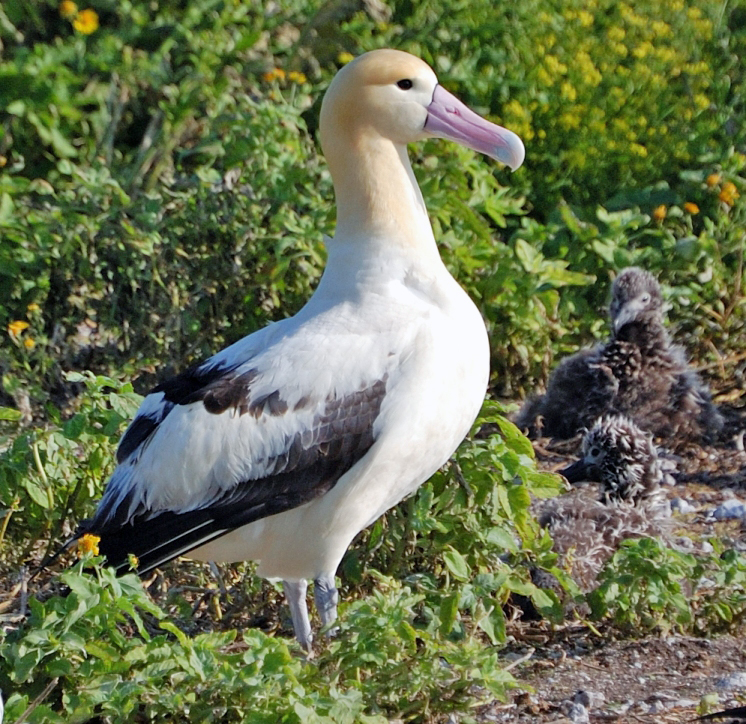
Albatross
The albatross is a majestic, large seabird that inhabits the Southern Ocean and the North Pacific, renowned for its impressive wingspan and remarkable flying abilities. ## Overview The albatross is a fascinating bird species that has captivated the imagination of people for centuries. These magnificent creatures are part of the biological family Diomedeidae and are closely related to the procellariids, storm petrels, and diving petrels in the order Procellariiformes. With their impressive wingspans reaching up to 2.5-3.5 meters (8.2-11.5 ft) and bodies over 1 meter (3.3 ft) in length, the albatross is among the largest of flying birds. Their unique physiology allows them to cover vast distances across the ocean, making them one of the most iconic and awe-inspiring birds in the world. Albatrosses are found in the Southern Ocean and the North Pacific, with a few species occasionally venturing into the North Atlantic. However, fossil remains of short-tailed albatross suggest that they once inhabited the North Atlantic during the Pleistocene era. The albatross's impressive wingspan and powerful wings enable them to ride the wind and waves, allowing them to cover long distances with minimal effort. This remarkable ability has made them a vital part of the marine ecosystem, playing a crucial role in maintaining the balance of the ocean's food chain. ## History/Background The albatross has a rich history that dates back thousands of years. Fossil records indicate that albatrosses have been present on Earth for at least 20 million years, with some species evolving as far back as the Eocene era. The earliest known fossil of an albatross was discovered in the Eocene deposits of New Zealand, dating back to around 50 million years ago. Over time, the albatross has evolved into four distinct genera, with some species exhibiting unique characteristics that set them apart from others. One of the most notable aspects of the albatross's history is its association with literature and folklore. The albatross has been a symbol of good luck and prosperity in many cultures, with the famous poem "The Rime of the Ancient Mariner" by Samuel Taylor Coleridge cementing its place in popular culture. In the poem, the albatross is depicted as a symbol of bad luck, with the mariner's killing of the bird leading to a series of tragic events. ## Key Information Albatrosses are known for their impressive wingspans, which can reach up to 2.5-3.5 meters (8.2-11.5 ft) in length. They are also notable for their unique physiology, which allows them to cover vast distances across the ocean with minimal effort. Albatrosses are carnivores, feeding on a variety of prey including fish, squid, and krill. They are also known for their impressive mating rituals, with some species engaging in elaborate displays of courtship behavior. There are four distinct genera of albatrosses, with some species exhibiting unique characteristics that set them apart from others. The Laysan albatross, for example, is known for its distinctive yellow bill and black crown, while the Wandering albatross is recognized by its impressive wingspan and distinctive white and black plumage. ## Significance The albatross plays a vital role in maintaining the balance of the ocean's food chain. As a key predator, they help to regulate the populations of their prey species, ensuring that the ecosystem remains healthy and balanced. Albatrosses are also an important indicator species, providing valuable insights into the health of the ocean and the impact of human activities on the marine ecosystem. In addition to their ecological significance, the albatross has also played a significant role in human culture and folklore. From its association with good luck and prosperity to its depiction in literature and art, the albatross has captivated the imagination of people for centuries. As a symbol of the power and majesty of nature, the albatross continues to inspire and awe people around the world. INFOBOX: - Name: Albatross - Type: Seabird - Date: 20 million years ago (fossil records) - Location: Southern Ocean and North Pacific - Known For: Impressive wingspan and remarkable flying abilities TAGS: Albatross, Seabird, Diomedeidae, Procellariiformes, Southern Ocean, North Pacific, Fossil Records, Literature, Folklore, Ecology, Conservation.
Alpine Tundra
American Alligator
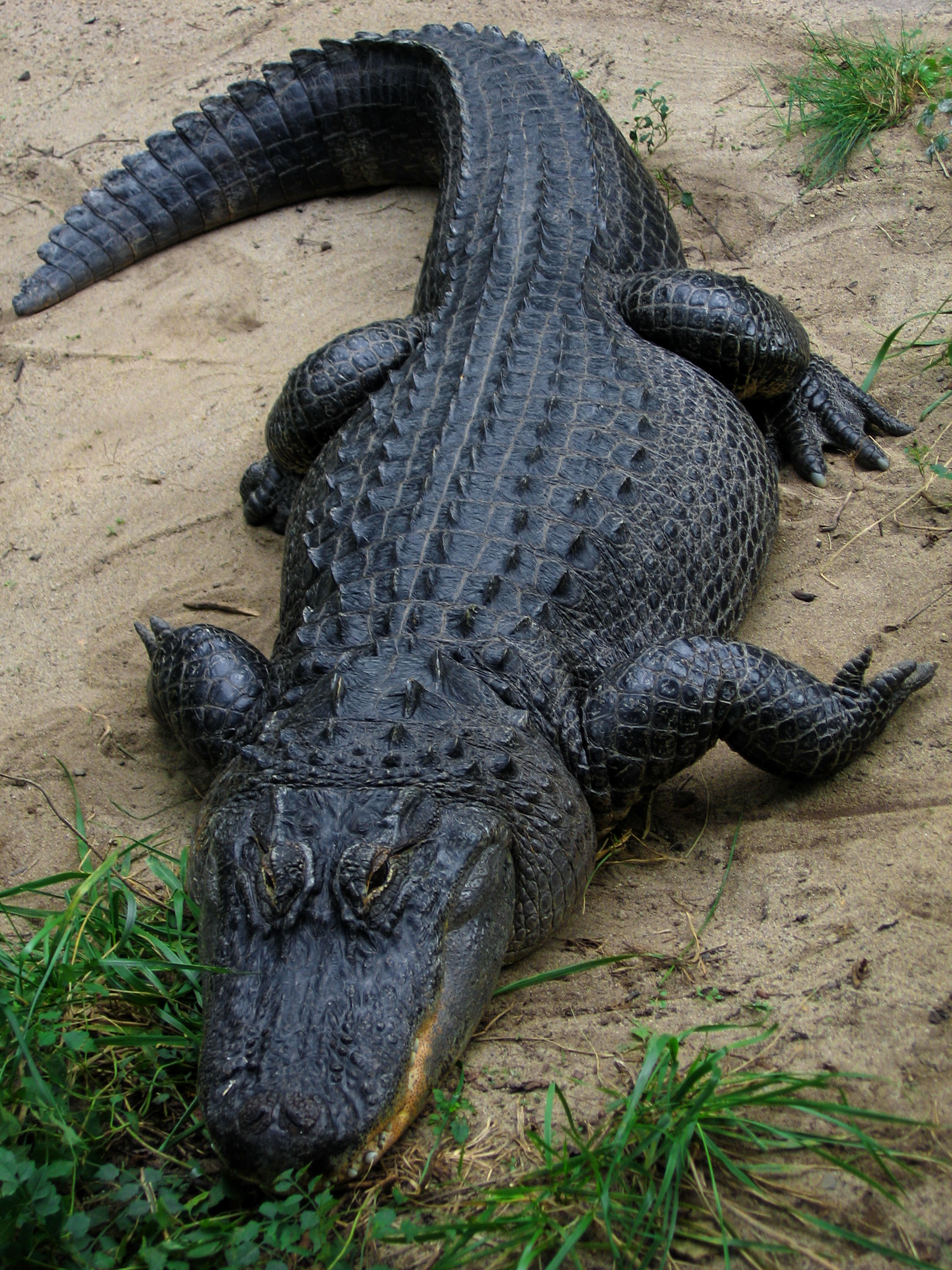
The American alligator (*Alligator mississippiensis*) is a large, apex‑predator crocodilian native to the freshwater wetlands of the southeastern United States, renowned for its ecological role and remarkable recovery from near‑extinction.

American Bison
** The American bison (*Bison bison*) is a massive North American herbivore whose historic range once covered a continent‑spanning grassland belt, and whose survival today hinges on intensive conservation and cultural reverence. **CONTENT:** ## Overview The **American bison**, often called the American buffalo, is the largest terrestrial mammal in North America and one of only two surviving species of bison, the other being the European bison (*Bison bonasus*). Adult males, or bulls, can weigh up to 2,000 lb (≈ 900 kg) and stand 6 ft (≈ 1.8 m) at the shoulder, while females are slightly smaller. Their massive heads, thick fur, and iconic humped shoulders have become symbols of the continent’s wild frontier. Adapted to the temperate grasslands, bison are **grazers** that can consume up to 30 lb (≈ 14 kg) of vegetation daily, shaping plant communities and creating habitats for countless other species through wallowing and trampling. Historically, the bison roamed the **great bison belt**, a swath of rich prairie that stretched from the tundra of Alaska, down the Rocky and Central Plains, across the Mississippi River, and eastward to the Atlantic seaboard—reaching as far north as New York and as far south as Georgia, with occasional reports from northern Florida and a 1750 sighting near Buffalo Ford on North Carolina’s Catawba River. This massive herd network supported Indigenous peoples for millennia, providing food, clothing, tools, and spiritual significance. By the late 19th century, however, unregulated hunting and habitat loss reduced the population from an estimated 30–60 million to fewer than 1,000 individuals. ## History/Background The ancestors of modern bison entered North America via the Bering Land Bridge during the Pleistocene, evolving into the **Bison antiquus** that populated the continent’s grasslands by 10,000 BC. Over the next few millennia, selective pressures and climatic shifts gave rise to the smaller, more robust *Bison bison* that we recognize today. European colonists first documented the animal in the early 1500s, but it was the 19th‑century westward expansion that precipitated its near‑extinction. Between 1870 and 1880, commercial hunters slaughtered an estimated 30–40 million bison to supply meat, hides, and to undermine Indigenous resistance. Key dates in the species’ recovery include the 1905 establishment of the **American Bison Society**, the 1908 creation of the first protected herd at **Yellowstone National Park**, and the 1936 **Bison Conservation Act**, which authorized federal and state programs to reintroduce bison to former ranges. By the mid‑20th century, numbers rebounded to roughly 250,000, though most lived on private ranches rather than in the wild. ## Key Information - **Scientific name:** *Bison bison* - **Conservation status:** Least Concern (IUCN), but “conservation dependent” in many U.S. states. - **Physical traits:** Massive skull, 2‑inch (5 cm) horns, shaggy winter coat, and a **ruminant** digestive system with a four‑chambered stomach. - **Reproduction:** Females give birth to a single calf after a 9‑month gestation; calving peaks in late spring. - **Diet:** Primarily grasses, sedges, and forbs; can shift to woody browse in winter. - **Social structure:** Herds are matriarchal; bulls join during the autumn **rut** for breeding. - **Ecological role:** Their grazing maintains grassland heterogeneity, promotes seed dispersal, and their wallows create micro‑habitats for amphibians and insects. - **Cultural importance:** Sacred to many Plains tribes; featured on U.S. coins, state flags, and as a national symbol of wilderness. - **Current distribution:** Free‑ranging herds in Yellowstone, Custer State Park, and several reintroduction sites across the Midwest and Great Plains; over 500,000 bison now exist in the U.S., though only a fraction are genetically pure. ## Significance The **American bison** epitomizes both the fragility and resilience of North American ecosystems. Its dramatic decline serves as a cautionary tale of unchecked exploitation, while its recovery illustrates the power of collaborative conservation—spanning federal agencies, Indigenous nations, NGOs, and private ranchers. Ecologically, bison are **keystone species**; their grazing patterns curb invasive plant encroachment, enhance carbon sequestration in soils, and support biodiversity at multiple trophic levels. Socially, they embody cultural continuity for Indigenous peoples, who are increasingly leading bison restoration projects that blend traditional ecological knowledge with modern science. In the broader narrative of climate change, bison‑managed grasslands are being explored as natural carbon sinks, offering a nature‑based solution that aligns wildlife preservation with carbon mitigation. Moreover, the species’ resurgence fuels ecotourism, providing economic incentives for rural communities to protect and expand prairie habitats. The American bison thus stands not only as a living relic of the continent’s pre‑settler past but also as a dynamic participant in 21st‑century environmental stewardship. **INFOBOX:** - Name: American bison (*Bison bison*) - Type: Mammal – large herbivore, keystone species - Date: First described scientifically in 1796; major population crash 1870‑1880; modern recovery began 1905 - Location: Historically across North America’s “great bison belt”; today in protected reserves, private ranches, and reintroduction sites across the United States and Canada - Known For: Once numbering tens of millions, now a symbol of successful wildlife conservation and cultural heritage **TAGS:** bison, wildlife conservation, North American prairie, keystone species, Indigenous cultures, ecosystem services, rewilding, climate mitigation
Anaconda
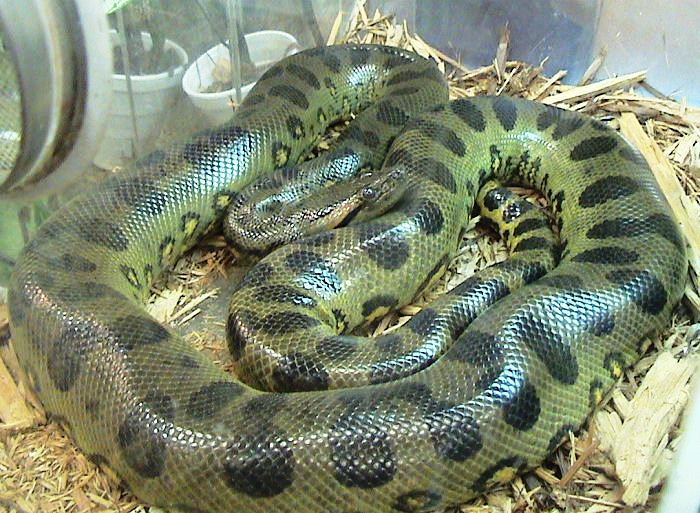
** The anaconda (genus *Eunectes*) is a group of massive, semi‑aquatic boas native to the tropical wetlands of South America, famed for their size, strength, and ecological role as apex predators. **CONTENT:** ## Overview The anacondas, commonly called water boas, comprise four living species—*Eunectes murinus* (green anaconda), *E. notaeus* (yellow anaconda), *E. deschauenseei* (dark‑spotted anaconda), and *E. beniensis* (Bolivian anaconda)—and one extinct relative known from Pleistocene deposits. These snakes are among the world’s heaviest and longest reptiles, with the green anaconda routinely exceeding **5 m (16 ft)** in length and weighing over **150 kg (330 lb)**. Their bodies are robust, muscular, and laterally compressed, adaptations that facilitate stealthy movement through the dense vegetation and slow‑moving waters of the Amazon, Orinoco, and Pantanal basins. Anacondas are **semiaquatic specialists**: they spend much of their time submerged, using their eyes and nostrils positioned on top of the head to breathe and observe while the rest of the body remains hidden. Their diet is opportunistic and includes fish, caimans, capybaras, deer, and occasionally large mammals such as jaguars. They employ **constrictive predation**, wrapping their powerful coils around prey until circulatory arrest occurs. Reproduction is ovoviviparous; females give birth to live young after a gestation of 6–7 months, producing litters of up to 40 neonates. Culturally, anacondas have inspired myth and folklore throughout indigenous Amazonian societies, often portrayed as guardians of the river or as symbols of primal power. In modern media, they are frequently sensationalized, but scientific study reveals a nuanced picture of a species finely tuned to its environment and essential to the health of tropical ecosystems. ## History/Background The genus *Eunectes* was first described by French naturalist **Georges Cuvier** in 1805, derived from the Greek “eu‑” (good) and “nektes” (swimmer), reflecting the snakes’ aquatic prowess. Fossil evidence indicates that anacondas diverged from other boas during the **Miocene epoch**, roughly 15–20 million years ago, coinciding with the rise of extensive South American wetlands. The extinct species *Eunectes stirtoni* (known from a partial skull dated to ~1 Ma) suggests that the lineage once occupied a broader range, including higher altitude river systems now unsuitable for such large, water‑dependent reptiles. European explorers in the 16th and 17th centuries recorded encounters with “serpents of the Amazon,” often exaggerating their size. Scientific scrutiny began in earnest in the 19th century, with naturalists like **Alexander von Humboldt** and **John Edward Gray** collecting specimens that clarified taxonomy. The 20th century saw the first comprehensive ecological studies, notably **Harold Heatwole’s** 1970 survey of Pantanal anacondas, which documented population densities, habitat preferences, and reproductive cycles. Recent advances in radio telemetry and drone imaging (2010s‑2020s) have refined our understanding of movement patterns and home‑range dynamics, revealing that anacondas can travel up to **30 km** during the breeding season. ## Key Information - **Species Count:** 4 extant (*E. murinus, E. notaeus, E. deschauenseei, E. beniensis*) + 1 extinct (*E. stirtoni*). - **Size Range:** *E. murinus* up to **5.2 m** and **150 kg**; *E. notaeus* averages **2–3 m**. - **Habitat:** Swamps, marshes, slow‑moving rivers, and flooded forest floors of the Amazon, Orinoco, and adjacent basins. - **Diet:** Broad carnivorous spectrum; primary prey includes fish, amphibians, reptiles, birds, and mammals up to 30 kg. - **Reproduction:** Ovoviviparous; gestation 6–7 months; litters 10–40 neonates, each 30–45 cm at birth. - **Conservation Status:** *E. murinus* – Least Concern (IUCN), but populations face pressure from habitat loss, illegal hunting for skin, and the pet trade. - **Ecological Role:** Apex predator regulating vertebrate populations; their burrowing and movement aid in nutrient redistribution within wetland soils. - **Unique Adaptations:** Valvular nostrils, infrared‑sensing pits (limited compared to pit vipers), and a highly elastic rib cage allowing expansion during large meals. ## Significance Anacondas serve as **keystone species** in South American wetland ecosystems. By preying on a variety of vertebrates, they help maintain balanced trophic cascades, preventing overpopulation of herbivores that could otherwise degrade vegetation and water quality. Their presence is an indicator of **ecosystem integrity**; declines often signal broader environmental stressors such as deforestation, mining runoff, or climate‑driven hydrological changes. From a conservation perspective, protecting anacondas aligns with safeguarding the **Pantanal and Amazon floodplains**, regions that store immense carbon and support countless endemic species. Community‑based initiatives in Brazil and Bolivia now incorporate anaconda monitoring into broader wetland management plans, emphasizing sustainable use of resources and education to dispel myths that fuel persecution. Scientifically, anacondas provide a living model for studying **large‑body physiology**, especially regarding respiratory efficiency under water, metabolic adaptations to infrequent but massive meals, and reproductive strategies in fluctuating environments. Their genetic diversity also offers insights into **speciation processes** across the complex riverine networks of South America. In popular culture, the anaconda’s formidable reputation has been harnessed for storytelling, yet responsible outreach can transform fear into appreciation, fostering a **conservation ethic** that values these remarkable reptiles as integral components of the planet’s biodiversity. **INFOBOX:** - Name: Anaconda (Genus *Eunectes*) - Type: Large, semiaquatic boas (reptiles) - Date: First described 1805 (genus authority) - Location: Tropical wetlands of South America (Amazon, Orinoco, Pantanal) - Known For: Being among the world’s largest snakes and a top wetland predator **TAGS:** reptiles, snakes, South America, wetlands, apex predator, conservation, biodiversity, ecology

Andean Condor
** The Andean condor (*Vultur gryphus*) is a massive South American vulture, renowned for its 3.3 m wingspan, cultural symbolism, and status as the world’s largest bird of prey. **CONTENT:** ## Overview The **Andean condor** is a New World vulture inhabiting the high Andes and the adjacent Pacific coastlines of western South America. Its soaring flight, enabled by a wingspan that can exceed **3.3 meters (10 ft 10 in)**, allows it to glide for hours on thermals with minimal wingbeat, a trait shared with only a handful of the planet’s largest birds. Adults weigh up to **15 kg (33 lb)**, making the condor not only one of the largest flying birds but also the heaviest raptor alive today. Its plumage is predominantly black with a striking white **neck ruff** and a bald head that ranges from bright orange to deep red, a coloration that helps keep the head clean while feeding on carrion. Ecologically, the condor functions as a **scavenger**, cleaning up carcasses and thereby limiting the spread of disease. It prefers open grasslands, scrub, and high‑altitude cliffs where it can perch and watch for food. Though capable of long-distance movement, individuals are largely **sedentary**, maintaining territories that may span hundreds of square kilometers. Their soaring ability is aided by a lightweight skeleton, a large **sternum** for powerful flight muscles, and a low wing loading that reduces the energetic cost of flight. ## History/Background The Andean condor belongs to the monotypic genus **Vultur**, making it the sole surviving member of its lineage. Fossil evidence suggests that the genus once had a broader distribution across the Americas during the Pleistocene, but climatic shifts and human pressures led to the extinction of its relatives. The species was first described scientifically by **Johann Friedrich Gmelin** in 1788, who assigned it the binomial *Vultur gryphus*. Indigenous cultures, especially the **Inca**, revered the condor as a divine messenger, a belief that persists in modern folklore across Bolivia, Chile, Argentina, and Peru. In the 20th century, the condor’s numbers declined sharply due to **habitat loss**, **poisoning** (often from carcasses laced with lead or pesticides), and **hunting** for its feathers and talons. By the 1970s, populations in many regions fell below 1,000 mature individuals, prompting the first coordinated **conservation programs**. Notable milestones include the 1972 establishment of the **Andean Condor Conservation Program** in Chile and the 1992 inclusion of the species on **CITES Appendix I**, affording it the highest level of international protection. ## Key Information - **Scientific name:** *Vultur gryphus* - **Wingspan:** 3.0–3.3 m (9.8–10.8 ft) – the widest of any flying bird. - **Weight:** 8–15 kg (18–33 lb); females are typically larger than males. - **Lifespan:** Up to 70 years in the wild; captive individuals have lived over 80 years. - **Diet:** Primarily carrion; will also eat small mammals, reptiles, and occasionally fresh meat. - **Reproduction:** Breeds every 2–3 years; lays a single egg on cliff ledges; both parents share incubation duties for ~55 days. - **Conservation status:** **Near Threatened** (IUCN) with a global population estimated at 6,500–7,000 mature individuals. - **Cultural role:** National bird of **Bolivia**, **Chile**, **Ecuador**, and **Colombia**; featured on numerous coats of arms, coins, and indigenous myths. ## Significance The Andean condor is a **keystone species** whose scavenging habits accelerate nutrient cycling and reduce the spread of pathogens from decaying carcasses. Its presence indicates a healthy ecosystem, making it a valuable **bioindicator** for conservationists monitoring Andean habitats. Moreover, the condor’s cultural resonance provides a powerful platform for **environmental education** and **eco‑tourism**, generating income for remote Andean communities while fostering stewardship. Conservation successes—such as the re‑establishment of breeding colonies in the **Patagonia** region and the implementation of **lead‑free ammunition** programs—demonstrate that targeted actions can reverse declines. However, ongoing threats like **climate change**, which alters thermal currents essential for soaring, and **illegal poisoning**, require sustained multinational cooperation. Protecting the Andean condor thus safeguards not only an iconic bird but also the broader ecological integrity of the Andes and adjacent coastal zones. **INFOBOX:** - Name: Andean Condor (*Vultur gryphus*) - Type: New World Vulture (Bird of Prey) - Date: Described 1788 (Gmelin) - Location: Andes Mountains and western South American Pacific coastlines - Known For: Largest wingspan of any flying bird and cultural emblem of Andean peoples **TAGS:** Andean condor, Vultur gryphus, South American wildlife, raptors, conservation, Andes ecosystem, cultural symbolism, scavenger bird

Antarctic Circumpolar Current
Antarctic Ecosystem
The Antarctic ecosystem is a stark, ice‑dominated biosphere where uniquely adapted organisms thrive in extreme cold, shaping global climate and oceanic health.
Antarctic Ice Loss
** Antarctic ice loss is the accelerating reduction of the continent’s ice sheets and sea‑ice, driven by climate warming, with profound global consequences for sea level, ecosystems, and climate feedbacks. **CONTENT:** ## Overview Antarctica, the world’s coldest and driest continent, holds roughly **90 % of the planet’s ice**—enough to raise global sea level by about **58 meters** if fully melted. In the past few decades, satellite observations, airborne surveys, and field campaigns have documented a **steady and accelerating loss of ice mass** from both the massive interior ice sheets and the surrounding sea‑ice cover. While the interior ice sheet loses mass primarily through **surface meltwater runoff and basal melting of outlet glaciers**, the peripheral sea‑ice declines are linked to **warming ocean waters, changes in wind patterns, and reduced sea‑ice formation**. The phenomenon is not uniform; the **West Antarctic Ice Sheet (WAIS)** is especially vulnerable because much of its grounding line sits below sea level, making it prone to rapid **marine ice sheet instability**. In contrast, the **East Antarctic Ice Sheet (EAIS)** has been more stable, though recent studies suggest pockets of thinning along its margins. The loss of Antarctic ice contributes directly to **global sea‑level rise**—currently averaging **3.3 mm per year**—and indirectly influences ocean circulation, carbon uptake, and the health of marine ecosystems that depend on the cold, nutrient‑rich waters surrounding the continent. ## History/Background The scientific awareness of Antarctic ice loss began in the **1970s**, when early satellite altimetry hinted at subtle changes in ice elevation. The launch of the **NASA/ESA ERS‑1 radar altimeter (1991)** provided the first high‑resolution, continent‑wide measurements, confirming that the ice sheet was losing mass. The **2002–2003 International Polar Year (IPY)** galvanized international cooperation, leading to the deployment of the **GRACE (Gravity Recovery and Climate Experiment)** satellites in 2002, which could detect minute changes in Earth’s gravity field caused by shifting ice mass. Key milestones include: - **1998:** First comprehensive mapping of West Antarctic grounding lines, revealing vulnerability to warm ocean water. - **2005:** Publication of the “**Ice Sheet Mass Balance Inter-comparison Exercise (IMBIE)**” results, quantifying a net loss of **~150 Gt yr⁻¹** (gigatonnes per year). - **2012:** Discovery of the **Totten Glacier** grounding line retreat, highlighting the potential for large‑scale contributions to sea‑level rise. - **2018:** Release of the **IPCC Special Report on the Ocean and Cryosphere in a Changing Climate**, emphasizing Antarctic ice loss as a major uncertainty in future sea‑level projections. - **2021‑2023:** High‑resolution satellite missions (ICESat‑2, Sentinel‑1) and autonomous underwater vehicles (AUVs) mapped rapid basal melting beneath the **Pine Island** and **Thwaites** glaciers, earning the moniker “**the Doomsday Glacier**.” ## Key Information - **Mass loss rate:** Approximately **250 Gt yr⁻¹** (2020‑2024 average), equivalent to **0.7 mm yr⁻¹** of global sea‑level rise. - **Primary drivers:** Atmospheric warming (increasing surface melt), oceanic warming (enhancing basal melt of marine‑terminating glaciers), and changing wind patterns (strengthening the **Southern Annular Mode**). - **Hotspot glaciers:** **Pine Island**, **Thwaites**, **Mertz**, and **Totten**—all showing grounding‑line retreat and accelerated flow. - **Sea‑ice trends:** While Antarctic sea‑ice extent showed modest growth in the early 2000s, a **sharp decline of ~13 % since 2014** signals a shift toward net loss. - **Feedback loops:** Ice‑sheet melt freshens surface waters, potentially altering **thermohaline circulation**, while reduced sea‑ice diminishes the **albedo effect**, amplifying regional warming. - **Ecological impacts:** Loss of sea‑ice threatens **krill populations**, the foundation of the Southern Ocean food web, cascading to penguins, seals, and whales. ## Significance Antarctic ice loss is a **global climate barometer**; its pace informs predictions of future sea‑level rise, which threatens coastal megacities, low‑lying islands, and critical infrastructure worldwide. The **potential destabilization of the WAIS** could add several meters to sea level over centuries, reshaping coastlines and displacing millions. Moreover, the Antarctic cryosphere plays a pivotal role in **regulating Earth’s energy balance**—its bright, reflective surface helps keep the planet cool. As ice diminishes, the planet absorbs more solar radiation, accelerating warming in a **dangerous positive feedback**. From an ecological perspective, the **Southern Ocean** is a major sink for atmospheric carbon dioxide; changes in ice cover affect **phytoplankton blooms** and the ocean’s capacity to sequester carbon, influencing the global carbon budget. The loss also raises geopolitical and ethical concerns, as nations grapple with **climate‑induced migration** and the stewardship of a continent designated for peace and science under the **Antarctic Treaty System**. Understanding and mitigating Antarctic ice loss is therefore central to **climate mitigation**, **adaptation planning**, and **biodiversity conservation**—the very pillars of a sustainable future. **INFOBOX:** - Name: **Antarctic Ice Loss** - Type: **Cryospheric Climate Phenomenon** - Date: **Ongoing (accelerated since the early 1990s)** - Location: **Antarctica (West and East Ice Sheets, surrounding Southern Ocean)** - Known For: **Rapid mass loss of ice sheets and sea‑ice, major contributor to global sea‑level rise** **TAGS:** climate change, sea‑level rise, cryosphere, West Antarctic Ice Sheet, marine ice sheet instability, Southern Ocean, carbon cycle, conservation.

Anteater
The anteaters are a small group of four specialized **Vermilingua** mammals from the Neotropics, renowned for their elongated snouts and exclusive diet of ants and termites.
Antelope