Overview
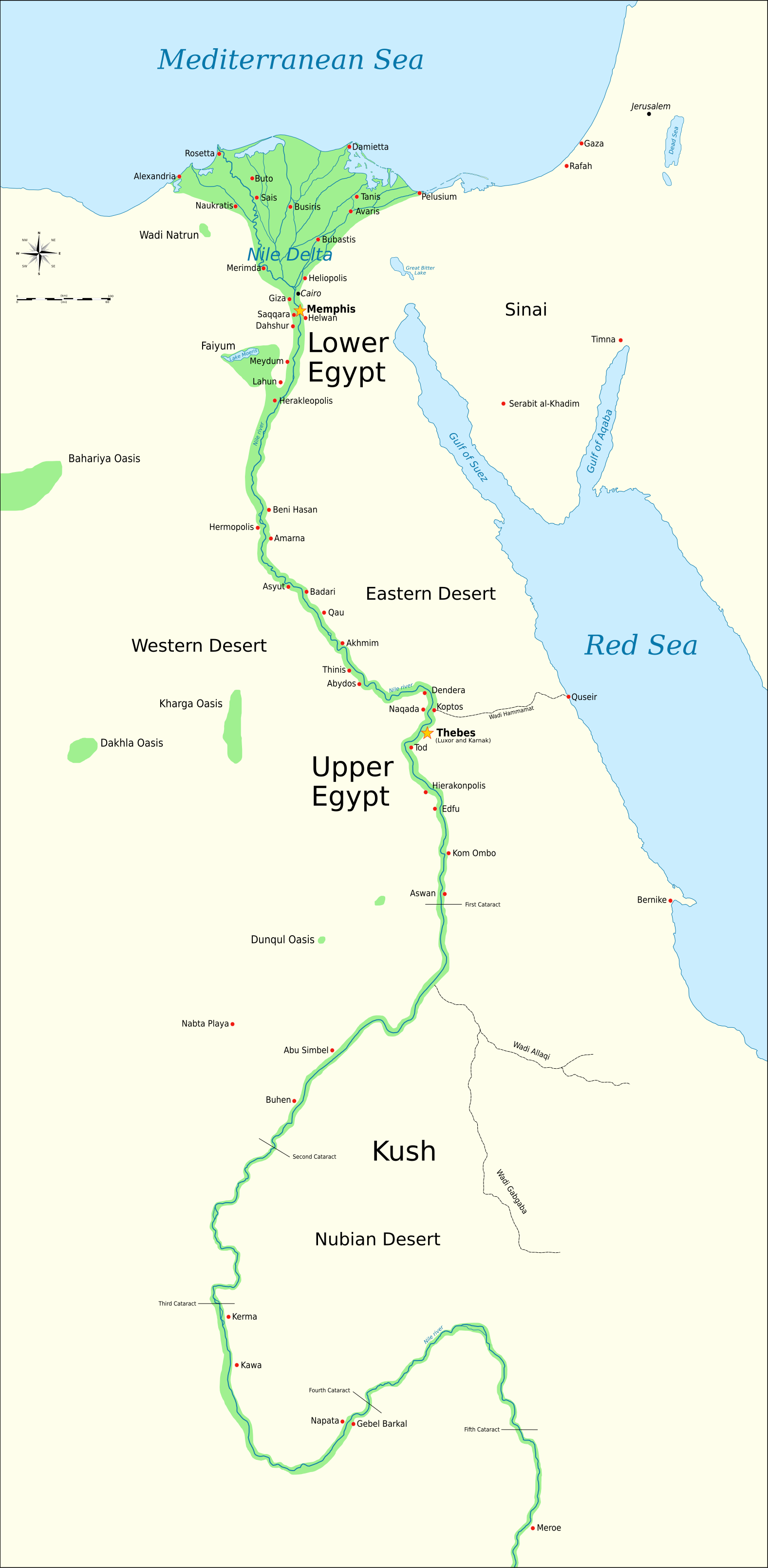
Stretching more than 1,000 km of lush riverine oasis through northeast Africa, ancient Egypt produced the world’s earliest territorial nation-state (c. 3150 BC) and sustained it—with only brief interruptions—until the Macedonian conquest in 332 BC. Its success rested on the annual Nile flood that renewed farmland, a centralized bureaucracy capable of mobilizing grain and labor, and a religious worldview that fused kingship with cosmic order (maʿat). From this stable base Egypt generated technologies, artistic canons, and administrative practices that diffused south into Nubia, east into the Levant, and north into the Greco-Roman world.
The civilization’s self-defined history was tripartite: the Old Kingdom (c. 2686–2181 BC) perfected pyramid-building and divine kingship; the Middle Kingdom (c. 2055–1650 BC) re-unified the land after civil war and created a “classical” literary culture; the New Kingdom (c. 1550–1077 BC) forged Egypt’s first empire, stretching from the Fourth Cataract of the Nile to the Euphrates. Between these eras the so-called Intermediate Periods (First: 2181–2055 BC; Second: 1650–1550 BC; Third: 1077–664 BC) saw climate shocks, regional fragmentation, and foreign rule, yet also technological innovation and cultural hybridization.
Background
Predatory chiefdoms in the Nile Valley began intensive agriculture after 5500 BC, producing the grain surpluses that underwrote social stratification. By Naqada II (c. 3600 BC) trade with Mesopotamia brought writing prototypes; within two centuries hieroglyphs were invented to record the names of kings and estates. The decisive event came c. 3150 BC when the southern ruler Narmer (traditionally “Menes”) conquered the Delta, wearing the double crown that symbolized eternal unity. The resulting pharaonic state was managed by a literate elite who measured fields, collected taxes, and organized corvée labor for irrigation and tombs. Religion permeated this order: the king was Horus in life and Osiris in death, responsible for maintaining cosmic balance against the forces of chaos (isfet).
Key Facts
• Chronology: Early Dynastic (3100–2686 BC) | Old Kingdom (2686–2181 BC) | First Intermediate (2181–2055 BC) | Middle Kingdom (2055–1650 BC) | Second Intermediate (1650–1550 BC) | New Kingdom (1550–1077 BC) | Third Intermediate (1077–664 BC) | Late Period (664–332 BC).
• Population: estimated 1–3 million, 90 % living on 35,000 km² of floodplain (one of history’s densest pre-industrial agrarian zones).
• Capital cities: Memphis (Old & Middle Kingdoms), Thebes (New Kingdom), later Pi-Ramesses and Alexandria.
• Writing: hieroglyphic (monumental), hieratic (cursive), demotic (Late Period); 700+ signs reduced to 24 uniconsonantal symbols that inspired the Phoenician alphabet.
• Monuments: 118 pyramids (Giza’s Khufu, c. 2560 BC, 146 m tall); Karnak temple complex (200 ha); Valley of the Kings (63 royal tombs).
• Economy: wheat, barley, flax; gold from Nubia; Nubian and Libyan cattle; Mediterranean trade in cedar, lapis, tin; standardized deben-weight copper, later silver.
• Military: New Kingdom chariot corps (c. 1,000 machines at Kadesh 1274 BC); navy with 600-ship fleet controlling Red Sea and eastern Mediterranean.
• Science: 365-day civil calendar (c. 2700 BC); decimal numerals; fraction tables; Edwin Smith papyrus describes 48 surgical cases; Ebers papyrus lists 700+ drugs.
• Women: female pharaoh Hatshepsut (r. 1479–1458 BC); equal legal property rights; New Kingdom divorce contracts; goddess Isis cult spreads across Roman world.
Impact
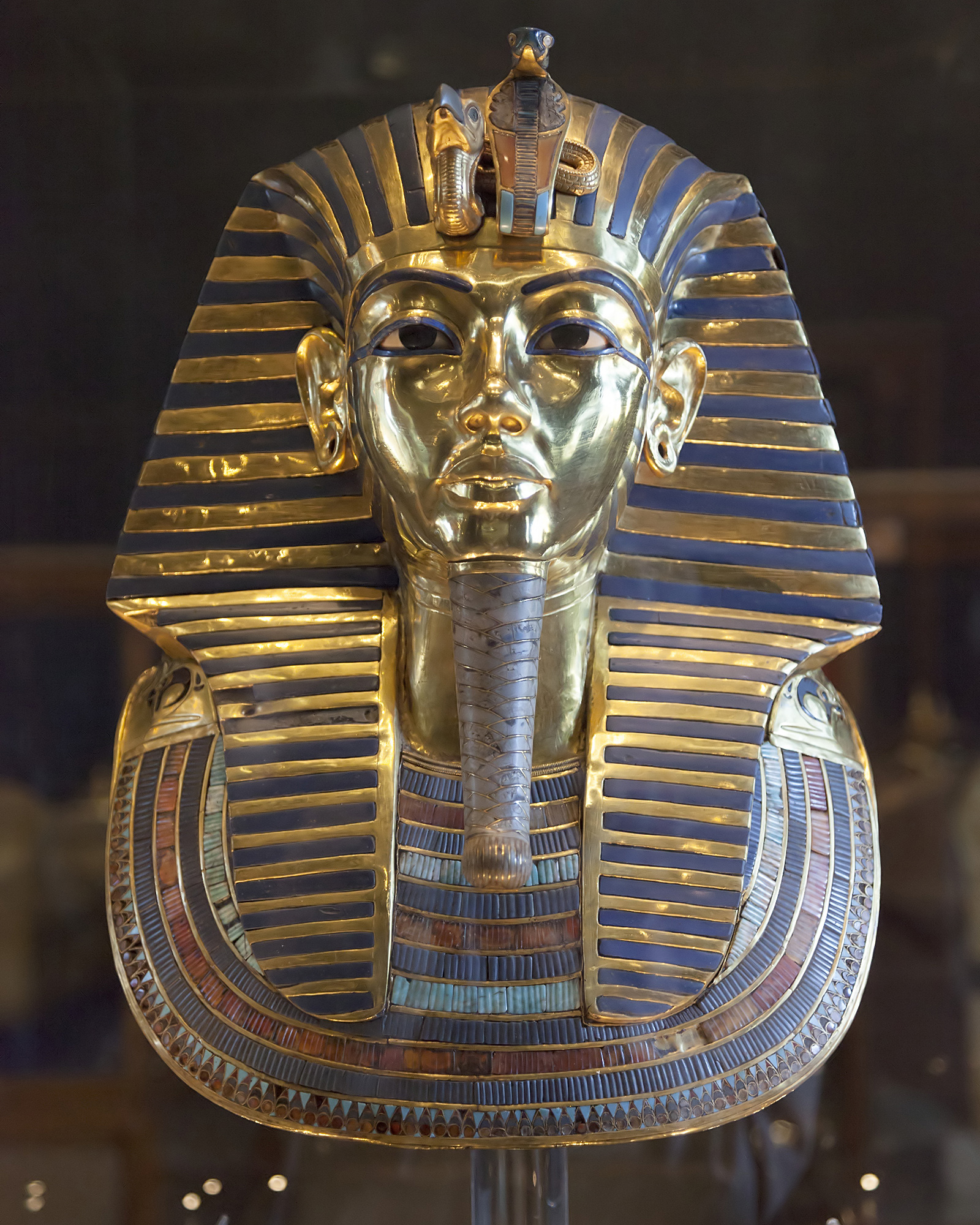
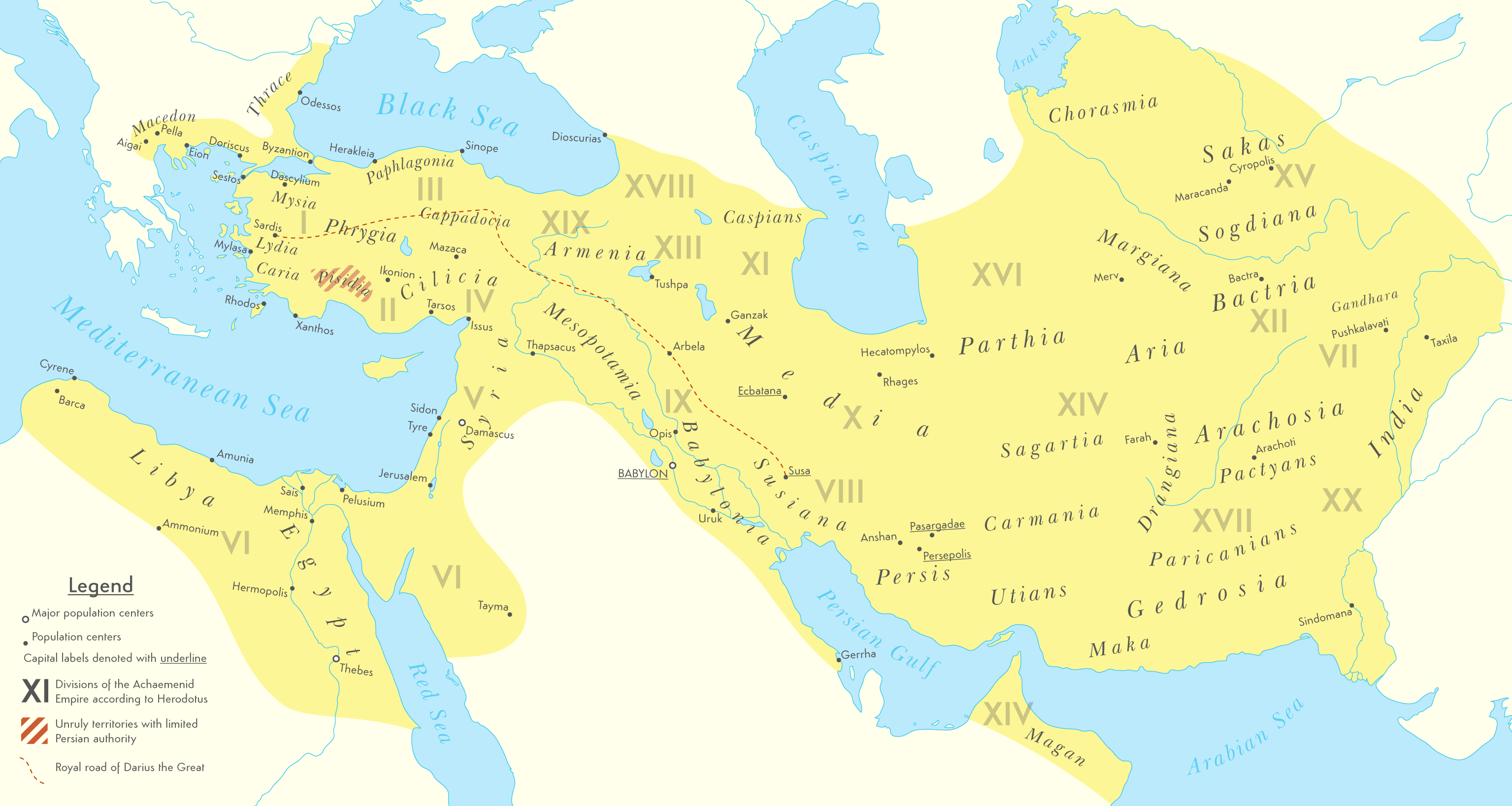
Egypt’s 30-century continuum created the template for divine kingship, monumental stone architecture, and state-managed irrigation that re-appeared in Kushite Meroë, Achaemenid Persia, and Ptolemaic Alexandria. Its art—canon of proportions, composite human-animal deities—shaped Greek archaic kouroi and Roman household lararia. The Hebrew Bible, Greek historiography, and Islamic Qur’an all frame Egypt as the archetype of both oppression and wisdom. Modern nationalism (19th–20th c.) adopted pharaonic iconography to build anti-colonial identity, while Egyptology’s decipherment of hieroglyphs (Champollion 1822) founded the academic discipline of archaeology. Today the Nile’s flood no longer exists thanks to the Aswan High Dam, yet Egypt’s archaeological landscape—UNESCO sites from Abu Simbel to the Giza Plateau—remains central to global heritage tourism and to debates on cultural restitution.