Overview
Sprawling across the Aegean and Ionian seas, Ancient Greece was never a single nation but a cultural koine united by language, myth, and ritual. From rugged mountain valleys and myriad islands emerged poleis—self-governing cities such as Athens, Sparta, and Corinth—that experimented with citizenship, law, and collective identity in ways unprecedented in the ancient world. Their innovations in rational inquiry, visual representation, and civic participation created a legacy that Rome would transplant across three continents and that Renaissance Europe would later revive as its own classical past.The Greek world was dynamic and porous. Colonists founded city-states from the Crimea to southern Italy, spreading the alphabet and the agora wherever they settled. Merchants traded wine, olive oil, and silver; mercenaries served foreign kings; philosophers debated in the shadow of the Parthenon. By the 4th century BCE, Macedon’s phalanx had forcibly unified most Greeks, but Alexander’s conquests exported Hellenic culture as far as the Indus, inaugurating the Hellenistic Age and a cosmopolitan, Greek-speaking oikoumene that survived until Rome’s absorption of the eastern Mediterranean.
History/Background
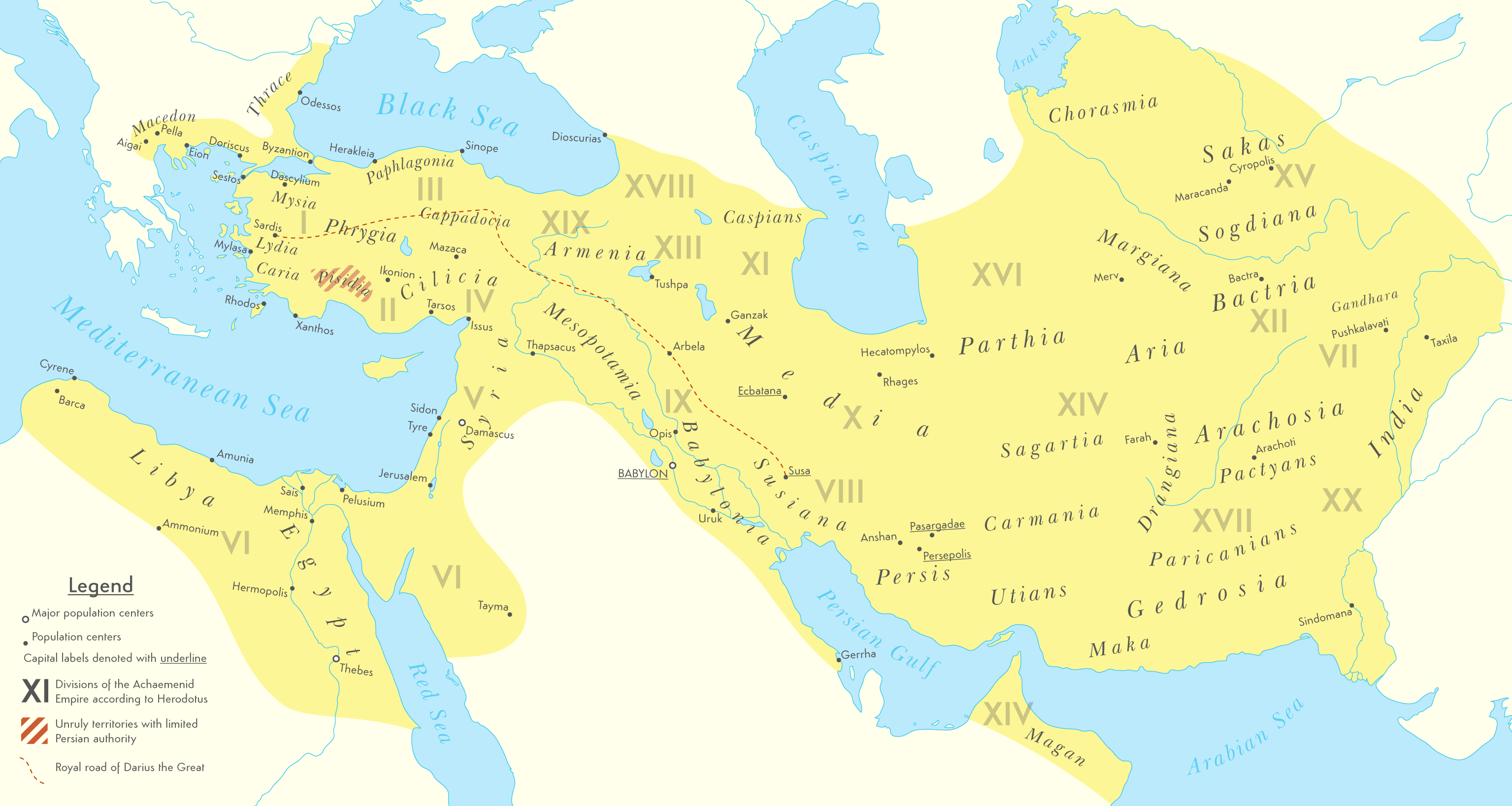
The curtain rises c. 1200 BCE with the collapse of Mycenaean palaces and a 300-year “Dark Age” of depopulation and oral memory. By 800 BCE, renewed contact with Phoenicia reintroduced writing (adapted into the Greek alphabet), and Homeric epics crystallized a shared past. Archaic Greece (c. 750–480 BCE) saw the polis take shape, tyrants yield to constitutional governments, and colonies planted across the Mediterranean.The Persian Wars (490–479 BCE) forged a fleeting Greek unity; Athens and Sparta led resistance, culminating in battles at Marathon, Thermopylae, and Salamis. Subsequent Athenian naval hegemony produced the Delian League (477 BCE) and, under Pericles, a golden age of democracy, drama, and architecture. Rivalry with Sparta ignited the Peloponnesian War (431–404 BCE), exhausting the poleis and opening the way for Theban and then Macedonian dominance. Philip II’s victory at Chaeronea (338 BCE) created the League of Corinth; his son Alexander III (d. 323 BCE) carried Greek culture to Egypt and Asia. After Alexander, successor kingdoms blended Greek and Near-Eastern elements until Rome annexed the last independent poleis in 146 BCE.