




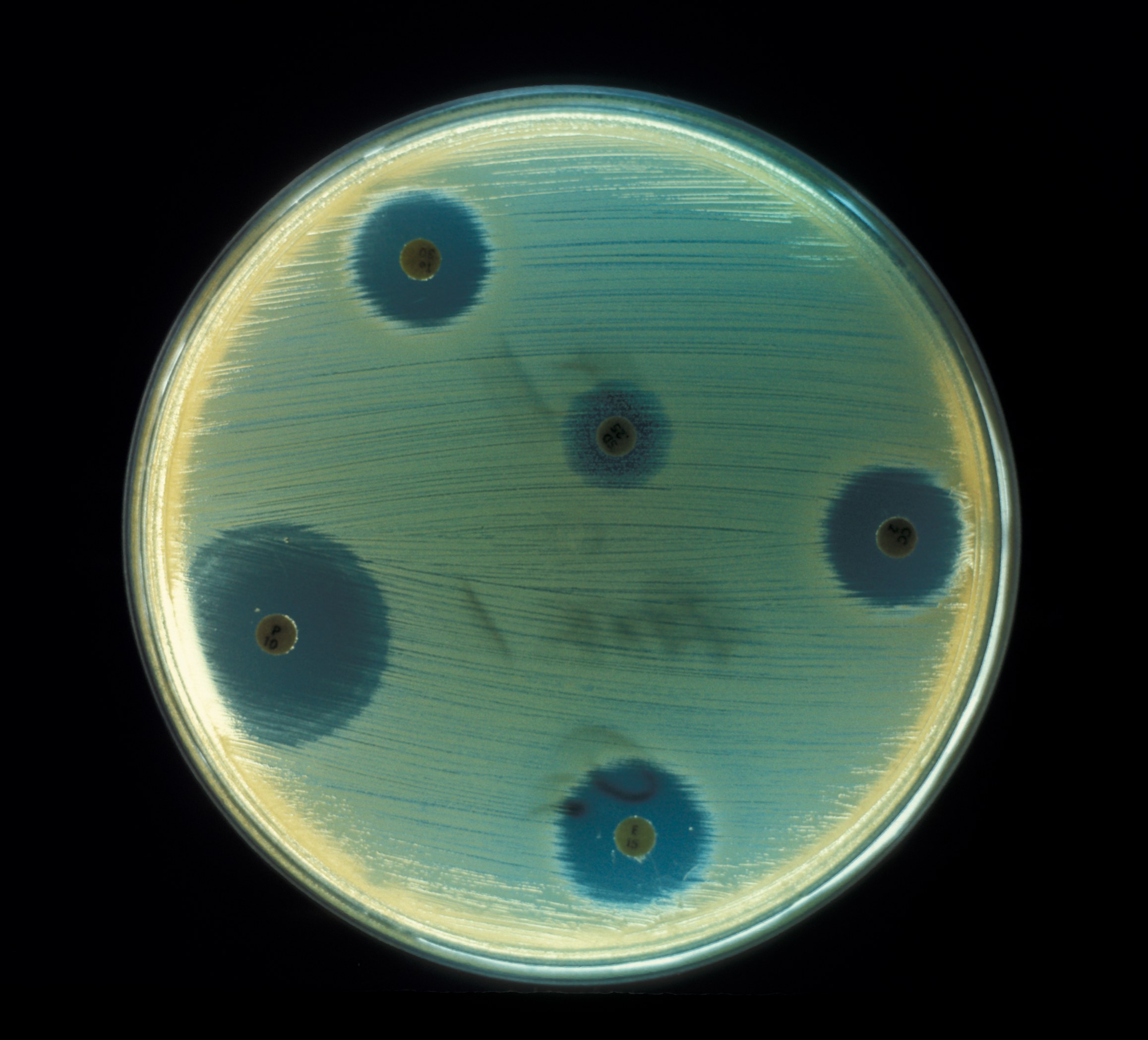
Antibiotics
SUMMARY: Antibiotics are antimicrobial substances that kill or inhibit the growth of bacteria, widely used in treating and preventing bacterial infections.
Overview
Antibiotics are a crucial class of medications that have revolutionized the treatment of bacterial infections. They are specifically designed to target and eliminate bacteria, thereby preventing the spread of infection. Antibiotics are typically prescribed by doctors to patients suffering from bacterial infections, such as pneumonia, tuberculosis, or urinary tract infections. These medications can be administered orally or intravenously, depending on the severity of the infection and the patient's condition.
The discovery of antibiotics has significantly impacted modern medicine, enabling patients to recover from bacterial infections that were once life-threatening. However, the overuse and misuse of antibiotics have led to the emergence of antibiotic-resistant bacteria, making it challenging to treat bacterial infections effectively. This has sparked a global health concern, prompting researchers to develop new antibiotics and strategies to combat antibiotic resistance.
History/Background
The history of antibiotics dates back to ancient civilizations, where people used plant extracts and other substances to treat bacterial infections. The concept of antibiotics as we know it today, however, began in the late 19th and early 20th centuries. In 1874, Scottish scientist Alexander Fleming discovered the antibacterial properties of penicillin, a fungus that inhibits the growth of bacteria. Fleming isolated the substance and demonstrated its effectiveness in treating bacterial infections.
The development of antibiotics gained momentum in the early 20th century, with the introduction of sulfonamides in the 1930s and streptomycin in the 1940s. The discovery of these antibiotics paved the way for the development of modern antibiotics, such as cephalosporins and quinolones. Today, there are numerous classes of antibiotics available, each targeting specific types of bacteria.
Key Information
Antibiotics can be classified into several categories, including:
* Bactericidal antibiotics: Kill bacteria directly, such as penicillin and cephalosporins
* Bacteriostatic antibiotics: Inhibit bacterial growth, such as tetracyclines and sulfonamides
* Antifungal antibiotics: Target fungal infections, such as griseofulvin and fluconazole
* Antiparasitic antibiotics: Target parasitic infections, such as metronidazole and ivermectin
Antibiotics work by interfering with various bacterial processes, such as cell wall synthesis, protein synthesis, and DNA replication. They can be administered orally, intravenously, or topically, depending on the type of infection and the patient's condition.
Significance
The discovery of antibiotics has been one of the most significant medical breakthroughs of the 20th century. Antibiotics have saved countless lives, reduced morbidity, and improved quality of life for millions of people worldwide. However, the overuse and misuse of antibiotics have led to the emergence of antibiotic-resistant bacteria, making it challenging to treat bacterial infections effectively.
To combat antibiotic resistance, researchers are developing new antibiotics and strategies to improve antibiotic use. These include the development of combination therapies, antibiotic stewardship programs, and novel delivery systems. Additionally, the discovery of new antibiotics from natural sources, such as plants and marine organisms, holds promise for the future.
INFOBOX:
- Name: Antibiotics
- Type: Antimicrobial substances
- Date: 1874 (Fleming's discovery of penicillin)
- Location: Global
- Known For: Revolutionizing the treatment of bacterial infections
TAGS: Antibiotics, antimicrobial substances, bacterial infections, antibiotic resistance, antibiotic stewardship, antibiotic discovery, combination therapy, natural antibiotics.



