**
Overview
Arnold Palmer emerged in the mid‑20th century as a magnetic figure who combined prodigious talent with a down‑to‑earth personality that resonated with fans across America. Turning professional in 1955, he quickly became a fixture on the PGA Tour, capturing 62 official PGA Tour victories—including seven major championships—and later adding 10 wins on the senior circuit (now the PGA Tour Champions). Palmer’s aggressive, “go‑for‑the‑green” style redefined how the game was played and watched, turning tournaments into must‑see television events. His signature red shirt, booming laugh, and willingness to mingle with fans earned him a devoted following known as “Arnie’s Army,” a fan base that still rallies around his legacy today.Beyond the fairways, Palmer was a shrewd businessman, pioneering the modern athlete‑endorsement model with deals ranging from Coca‑Cola to Marlboro and launching the Arnold Palmer Golf Company, which produced equipment bearing his name. He also contributed to charitable causes, most notably founding the Arnold Palmer Hospital for Children in Orlando, Florida, and supporting numerous youth golf initiatives.
History/Background
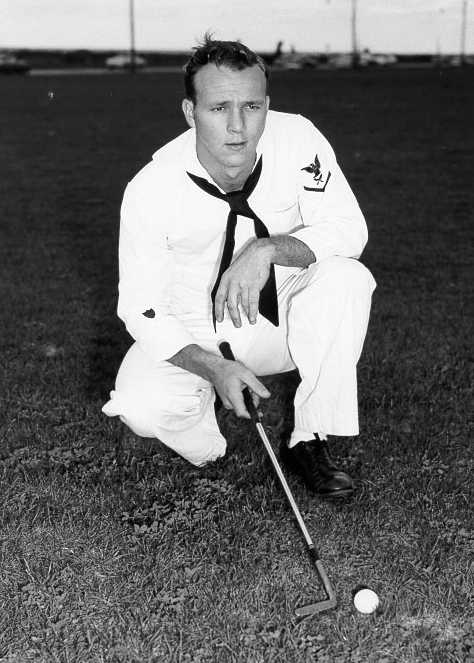
Born September 10, 1929, in Latrobe, Pennsylvania, Arnold Daniel Palmer grew up in a working‑class family that owned a modest grocery store. He learned to swing a club on the dusty courses of western Pennsylvania, quickly standing out for his natural feel and fearless approach. After serving in the U.S. Coast Guard (1948‑1950), he enrolled at Wake Forest University, where he won the NCAA individual championship in 1951 and earned All‑American honors.Palmer turned pro in 1955, joining a PGA Tour still dominated by the stoic, buttoned‑up style of players like Ben Hogan and Sam Snead. His breakthrough came at the 1958 Masters, where he finished runner‑up, but it was his 1958 PGA Championship victory that announced his arrival as a major contender. The following year, he captured the 1959 Masters, igniting a surge in television viewership that would forever change the sport’s commercial landscape. Over the next decade, Palmer added four more majors—the 1960 U.S. Open, 1962 Open Championship, and 1964 Masters—and amassed a string of high‑profile wins that made him the first golfer to earn $1 million in career prize money (1968).
When the senior circuit launched in 1980, Palmer continued to dominate, winning the inaugural Senior PGA Championship in 1980 and adding nine more senior titles before retiring from competitive play in 1997. He remained a beloved ambassador for golf until his death on September 25, 2016, in Ponte Vedra Beach, Florida.
Key Information
- Full Name: Arnold Daniel Palmer - Birth/Death: 1929‑2016 - Professional Wins: 62 PGA Tour, 10 PGA Tour Champions, 2 European Tour, 2 Australian Tour, 1 Japan Golf Tour (total 84 professional victories) - Major Championships: 7 (1958 PGA, 1959 Masters, 1960 U.S. Open, 1962 Open, 1964 Masters, 1971 Masters, 1973 PGA) - Career Earnings: First golfer to surpass $1 million in official earnings; total career earnings exceeded $2 million (adjusted for inflation, far higher today). - Signature Style: Aggressive “go for the green” play, powerful iron shots, and a charismatic, fan‑first demeanor. - Business Ventures: Arnold Palmer Golf Company (clubs, balls, apparel), golf course design (over 300 courses worldwide), and numerous licensing deals. - Philanthropy: Founder of Arnold Palmer Hospital for Children; major supporter of the Arnold Palmer Golf Scholarship and Junior Golf programs.Significance
Arnold Palmer’s impact transcends his impressive trophy cabinet. He revolutionized golf’s relationship with media, becoming the first true television star of the sport; his 1958 Masters win was the first major tournament broadcast live coast‑to‑coast, drawing millions of new viewers. This exposure helped transform golf from a niche pastime into a mainstream spectacle, paving the way for future stars like Jack Nicklaus, Tiger Woods, and Phil Mickelson.Palmer’s marketing savvy set a template for athlete branding, proving that a golfer could be both a competitive champion and a commercial icon. His charitable legacy continues to benefit children’s health and youth development, while his course designs reflect a philosophy of playability and enjoyment, influencing modern golf architecture.
Culturally, Palmer embodied the American post‑war optimism of the 1950s and 60s—approachable, confident, and unpretentious. “Arnie’s Army” was more than a fan club; it was a social movement that turned golf tournaments into communal celebrations, a tradition that persists in today’s fan‑centric events. In the annals of sport, Arnold Palmer stands as a pioneer of the television era, a business trailblazer, and a humanitarian, ensuring his name will echo on fairways and in hearts for generations to come.
INFOBOX:
- Name: Arnold Daniel Palmer
- Type: Professional Golfer / Sports Icon
- Date: 1929 – 2016 (career: 1955 – 1997)
- Location: United States (born Latrobe, Pennsylvania; died Ponte Vedra Beach, Florida)
- Known For: Seven major championships, 62 PGA Tour wins, “the King” of golf, television‑age pioneer
TAGS: golf, Arnold Palmer, PGA Tour, sports history, television era, sports marketing, philanthropy, golf course design