People

Biographies of notable people throughout history

9,931 articles

Aaron Rodgers

** Aaron Charles Rodgers is an American NFL quarterback, celebrated for his elite precision, record‑setting efficiency, and two‑decade tenure as the centerpiece of the Green Bay Packers franchise. **CONTENT:** ## Overview Aaron Rodgers entered the NFL spotlight as a prodigious talent from the University of California, Berkeley, where he rewrote the school’s passing lore by posting the lowest single‑season and career interception percentages in program history. Drafted 24th overall by the Green Bay Packers in the 2005 NFL Draft, Rodgers spent three developmental years behind Hall of Famer Brett Favre before seizing the starting role in 2008. Over the ensuing years, he combined a cannon‑like arm with surgical decision‑making, amassing more than 60,000 passing yards, 475+ touchdown passes, and a career passer rating that consistently hovers above 100—metrics that place him among the all‑time elite. Rodgers’ résumé is punctuated by a Super Bowl XLV championship (2010), a league‑MVP award in 2011, and a second MVP in 2014, making him one of only a handful of quarterbacks to win the award multiple times. His signature “Hail Mary” throws, no‑look passes, and the famed “discount double‑check” play have become part of NFL folklore, cementing his reputation as a quarterback who can turn a broken play into a highlight‑reel masterpiece. Beyond the field, Rodgers is known for his outspoken personality, philanthropic ventures, and for challenging traditional narratives about quarterback leadership, often emphasizing mental health, personal growth, and the importance of “thinking outside the box.” ## History/Background Born on December 2, 1983, in Chico, California, Aaron Charles Rodgers grew up in a sports‑loving family; his father, Ed Rodgers, was a former college football player and high school coach. Aaron excelled at Pleasant Valley High School, where he threw for 2,500+ yards and 30 touchdowns as a senior, earning a scholarship to the University of California, Berkeley. At Cal (2003‑2004), Rodgers shattered school records for interception avoidance, completing 71.9% of his passes in 2004 and posting a 1.79 interception rate per 100 attempts—a figure that still stands as a benchmark for efficiency. His collegiate success attracted NFL scouts, and despite a perceived “small‑school” stigma, the Packers selected him in the first round of the 2005 draft. Rodgers spent his rookie season learning behind Favre, absorbing the Packers’ West Coast offense while honing his pre‑snap reads. In 2008, after Favre’s departure, Rodgers was named the starter and immediately demonstrated his elite skill set, leading Green Bay to a 6‑0 start and a 31‑24 victory over the Minnesota Vikings in his first start. The following seasons saw Rodgers evolve from a promising talent into a perennial MVP candidate, culminating in a Super Bowl win in his third year as a starter. ## Key Information - **Full Name:** Aaron Charles Rodgers - **Birthdate:** December 2, 1983 - **College:** University of California, Berkeley (Golden Bears) - **NFL Draft:** 2005, Round 1, Pick 24 (Green Bay Packers) - **Career Stats (as of 2024):** ~60,200 passing yards, 475+ TDs, 99.5 career passer rating, 0.62 TD‑to‑INT ratio - **Super Bowl:** XLV champion (2010), MVP of the game - **NFL MVP Awards:** 2011, 2014, 2020, 2021 (four total) - **Pro Bowl Selections:** 9 (2009‑2014, 2016, 2018, 2020) - **All‑Pro Honors:** 5 First‑Team, 2 Second‑Team - **Records:** Highest career passer rating (minimum 1,500 attempts) in NFL history; most consecutive seasons with a passer rating above 100 (9); lowest career interception percentage (minimum 1,500 attempts). Off the field, Rodgers founded the **Aaron Rodgers Foundation**, supporting youth sports, education, and mental‑health initiatives. He has also ventured into media, hosting a popular podcast and appearing in several high‑profile commercials. ## Significance Aaron Rodgers reshaped the quarterback archetype by marrying precision passing with a cerebral, improvisational style. His ability to turn broken plays into scoring opportunities redefined “play‑action” and forced defenses to adapt to a quarterback who could both read and rewrite the script in real time. Statistically, his career passer rating and interception avoidance set new standards for efficiency, influencing how teams evaluate quarterback performance beyond raw yardage. Rodgers’ impact extends to the cultural sphere. He has been a vocal advocate for player autonomy, questioning the NFL’s concussion protocols and championing mental‑health awareness, thereby prompting league‑wide conversations about athlete welfare. His business ventures and media presence have broadened the modern quarterback’s brand, illustrating how on‑field excellence can translate into off‑field influence. In the annals of NFL history, Rodgers stands alongside legends such as Tom Brady, Peyton Manning, and Joe Montana. His blend of statistical dominance, clutch performances, and intellectual approach to the game ensures that his legacy will endure as a benchmark for future generations of quarterbacks. **INFOBOX:** - Name: Aaron Charles Rodgers - Type: Professional American Football Quarterback - Date: Born December 2 1983 (career spanning 2005‑present) - Location: Green Bay, Wisconsin (primary NFL franchise) - Known For: Two‑time Super Bowl champion, four‑time NFL MVP, record‑setting passer efficiency **TAGS:** Aaron Rodgers, NFL quarterback, Green Bay Packers, Super Bowl XLV, NFL MVP, passing efficiency, California Golden Bears, sports legacy

Abraham Lincoln

Abraham Lincoln—the 16th U.S. president who steered the nation through its bloodiest war and ended slavery—transformed America forever between 1861 and his 1865 assassination.

AC/DC

** AC DC is an iconic Australian rock band whose high‑voltage blend of hard‑rock, blues‑rock, and straight‑ahead rock‑and‑roll has sold over 200 million records and reshaped the global heavy‑metal landscape. **CONTENT:** ## Overview Formed in Sydney in 1973, **AC DC** quickly became synonymous with raw, electrifying energy and a no‑frills approach to rock music. Their signature sound—driven by thunderous riffs, pounding drums, and the gravel‑toned vocals of brothers Malcolm and (later) Brian Johnson—has been described variously as hard rock, blues rock, and heavy metal, though the band insists they simply play “rock and roll.” With anthems like “Highway to Hell,” “Back in Black,” and “Thunderstruck,” the group has turned stadiums into colossal sing‑along arenas, cementing a reputation for relentless live performances that feel more like a communal rite than a concert. Beyond record sales, AC DC’s influence reverberates through the very DNA of modern rock. Their stripped‑back, power‑chord‑centric style helped lay the groundwork for the New Wave of British Heavy Metal (NWOBHM) in the late 1970s and early 1980s, inspiring bands such as Iron Maiden, Judas Priest, and Motörhead. The band’s visual aesthetic—black‑and‑yellow lightning bolts, school‑yard‑style lettering, and a relentless, unapologetic swagger—has become a cultural shorthand for pure, unadulterated rock energy. ## History/Background The Young brothers, **Malcolm** (lead guitar) and **Angus** (rhythm guitar), grew up in a Scottish‑Australian household steeped in blues and early rock ’n’ roll. In 1973 they recruited vocalist **Dave Evans**, bassist **Larry Van Kriedt**, and drummer **Colin Burgess**, forming AC DC and debuting at Sydney’s Chequers nightclub. Early releases like *High Voltage* (1975) showcased a gritty, blues‑infused sound that caught the attention of British label **Albert Productions**, leading to a UK tour and the addition of Scottish vocalist **Bon Scott** in 1974. Bon Scott’s charismatic, swaggering presence propelled the band into international stardom with albums *T.N.T.* (1975) and *Highway to Hell* (1979). Tragedy struck on February 19 1980, when Scott died in a car accident. Determined to honor his legacy, the group recruited **Brian Johnson**, whose powerful, raspy voice debuted on the 1980 masterpiece *Back in Black*. The album’s title track, a tribute to Scott, became one of the best‑selling records ever, cementing AC DC’s place in rock history. Over the following decades, the lineup solidified around the Young brothers, Johnson, bassist **Cliff Williams**, and drummer **Phil Rudd** (with occasional replacements), producing a steady stream of platinum‑selling albums such as *For Those About to Rock* (1981), *The Razors Edge* (1990), and *Black Ice* (2020). ## Key Information - **Founding Year:** 1973 (Sydney, Australia) - **Core Members:** Malcolm Young (lead guitar, deceased 2017), Angus Young (lead guitar), Brian Johnson (vocals), Cliff Williams (bass), Phil Rudd (drums) - **Record Sales:** >200 million worldwide, placing them among the best‑selling artists of all time - **Hall of Fame:** Inducted into the Rock and Roll Hall of Fame (2003) - **Signature Albums:** *Highway to Hell* (1979), *Back in Black* (1980), *For Those About to Rock* (1981), *The Razors Edge* (1990) - **Iconic Visuals:** Lightning‑bolt logo, school‑yard‑style font, Angus’s school‑uniform stage costume - **Influence:** Directly inspired the NWOBHM movement; cited by Metallica, Guns N’ Roses, and countless modern rock acts - **Live Reputation:** Known for marathon tours, high‑energy shows, and a “no‑encore” philosophy that keeps audiences on edge ## Significance AC DC’s importance lies not only in staggering commercial success but also in their unwavering commitment to a pure rock ethos. By refusing to chase trends and instead perfecting a formula of three‑chord power, blistering solos, and anthemic choruses, they demonstrated that simplicity can be revolutionary. Their music has become a cultural touchstone—used in movies, sports arenas, and political rallies—signifying unbridled energy and defiant optimism. Moreover, the band’s business model—minimalist production, relentless touring, and a focus on album sales over singles—has served as a blueprint for rock acts navigating the shifting music industry. Their induction into the Rock and Roll Hall of Fame and continued relevance across four decades underscore a legacy that transcends generations, proving that **rock and roll**—as they define it—remains a timeless, global language. **INFOBOX:** - Name: AC DC - Type: Rock band (hard rock / blues rock / heavy metal) - Date: Formed 1973 - Location: Sydney, New South Wales, Australia - Known For: High‑voltage rock anthems, *Back in Black* album, influence on heavy‑metal evolution **TAGS:** rock, hard rock, heavy metal, Australian music, classic albums, music history, cultural influence, live performance**SUMMARY:** AC DC is an iconic Australian rock band whose high‑voltage blend of hard‑rock, blues‑rock, and straight‑ahead rock‑and‑roll has sold over 200 million records and reshaped the global heavy‑metal landscape. **CONTENT:** ## Overview Formed in Sydney in 1973, **AC DC** quickly became synonymous with raw, electrifying energy and a no‑frills approach to rock music. Their signature sound—driven by thunderous riffs, pounding drums, and the gravel‑toned vocals of brothers Malcolm and (later) Brian Johnson—has been described variously as hard rock, blues rock, and heavy metal, though the band insists they simply play “rock and roll.” With anthems like “Highway to Hell,” “Back in Black,” and “Thunderstruck,” the group has turned stadiums into colossal sing‑along arenas, cementing a reputation for relentless live performances that feel more like a communal rite than a concert. Beyond record sales, AC DC’s influence reverberates through the very DNA of modern rock. Their stripped‑back, power‑chord‑centric style helped lay the groundwork for the New Wave of British Heavy Metal (NWOBHM) in the late 1970s and early 1980s, inspiring bands such as Iron Maiden, Judas Priest, and Motörhead. The band’s visual aesthetic—black‑and‑yellow lightning bolts, school‑yard‑style lettering, and a relentless, unapologetic swagger—has become a cultural shorthand for pure, unadulterated rock energy. ## History/Background The Young brothers, **Malcolm** (lead guitar) and **Angus** (rhythm guitar), grew up in a Scottish‑Australian household steeped in blues and early rock ’n’ roll. In 1973 they recruited vocalist **Dave Evans**, bassist **Larry Van Kriedt**, and drummer **Colin Burgess**, forming AC DC and debuting at Sydney’s Chequers nightclub. Early releases like *High Voltage* (1975) showcased a gritty, blues‑infused sound that caught the attention of British label **Albert Productions**, leading to a UK tour and the addition of Scottish vocalist **Bon Scott** in 1974. Bon Scott’s charismatic, swaggering presence propelled the band into international stardom with albums *T.N.T.* (1975) and *Highway to Hell* (1979). Tragedy struck on February 19 1980, when Scott died in a car accident. Determined to honor his legacy, the group recruited **Brian Johnson**, whose powerful, raspy voice debuted on the 1980 masterpiece *Back in Black*. The album’s title track, a tribute to Scott, became one of the best‑selling records ever, cementing AC DC’s place in rock history. Over the following decades, the lineup solidified around the Young brothers, Johnson, bassist **Cliff Williams**, and drummer **Phil Rudd** (with occasional replacements), producing a steady stream of platinum‑selling albums such as *For Those About to Rock* (1981), *The Razors Edge* (1990), and *Black Ice* (2020). ## Key Information - **Founding Year:** 1973 (Sydney, Australia) - **Core Members:** Malcolm Young (lead guitar, deceased 2017), Angus Young (lead guitar), Brian Johnson (vocals), Cliff Williams (bass), Phil Rudd (drums) - **Record Sales:** >200 million worldwide, placing them among the best‑selling artists of all time - **Hall of Fame:** Inducted into the Rock and Roll Hall of Fame (2003) - **Signature Albums:** *Highway to Hell* (1979), *Back in Black* (1980), *For Those About to Rock* (1981), *The Razors Edge* (1990) - **Iconic Visuals:** Lightning‑bolt logo, school‑yard‑style font, Angus’s school‑uniform stage costume - **Influence:** Directly inspired the NWOBHM movement; cited by Metallica, Guns N’ Roses, and countless modern rock acts - **Live Reputation:** Known for marathon tours, high‑energy shows, and a “no‑encore” philosophy that keeps audiences on edge ## Significance AC DC’s importance lies not only in staggering commercial success but also in their unwavering commitment to a pure rock ethos. By refusing to chase trends and instead perfecting a formula of three‑chord power, blistering solos, and anthemic choruses, they demonstrated that simplicity can be revolutionary. Their music has become a cultural touchstone—used in movies, sports arenas, and political rallies—signifying unbridled energy and defiant optimism. Moreover, the band’s business model—minimalist production, relentless touring, and a focus on album sales over singles—has served as a blueprint for rock acts navigating the shifting music industry. Their induction into the Rock and Roll Hall of Fame and continued relevance across four decades underscore a legacy that transcends generations, proving that **rock and roll**—as they define it—remains a timeless, global language. **INFOBOX:** - Name: AC DC - Type: Rock band (hard rock / blues rock / heavy metal) - Date: Formed 1973 - Location: Sydney, New South Wales, Australia - Known For: High‑voltage rock anthems, *Back in Black* album, influence on heavy‑metal evolution **TAGS:** rock, hard rock, heavy metal, Australian music, classic albums, music history, cultural influence, live performance

Ada Lovelace

Augusta Ada King, Countess of Lovelace, also known as Ada Lovelace, was an English mathematician and writer chiefly known for work on Charles Babbage's proposed mechanical general-purpose computer, the analytical engine. She was the first to recognis

Adele Singer

Adele Laurie Blue Adkins is a globally celebrated English singer‑songwriter whose soulful voice and emotionally resonant ballads have reshaped contemporary pop music.

Adolf Hitler

Adolf Hitler (1889-1945) was an Austrian-born German politician who, as Führer of the Nazi Party and dictator of Germany from 1933-1945, instigated World War II and orchestrated the Holocaust, reshaping global history through genocide and total war.

Adrian Piper

Aerosmith

Agnes Martin

Ai Weiwei

Alain Prost

** Alain Prost is a French former Formula One driver, four‑time World Champion, and motorsport executive renowned for his analytical racing style that earned him the nickname “the Professor.” **CONTENT:** ## Overview Alain Marie Pascal Prost, born 24 February 1955 in Lorette, France, emerged as one of the most cerebral and successful competitors in the history of Formula One. Over a 14‑year Grand Prix career (1980‑1993), Prost amassed **51 Grand Prix victories**, **41 fastest laps**, and **106 podium finishes**, records that stood unchallenged at the time of his retirement. His methodical approach—meticulously studying telemetry, tire wear, and fuel consumption—contrasted sharply with the raw aggression of many contemporaries, earning him the moniker “the Professor.” Prost’s four World Drivers’ Championships (1985, 1986, 1989, 1993) placed him alongside legends such as Juan Manuel Fangio and later Michael Schumacher. He won titles with three different constructors—McLaren, Williams, and a final triumph with Williams in 1993—demonstrating adaptability across varied car philosophies. Beyond the cockpit, Prost transitioned to team management, founding Prost Grand Prix (1997‑2002) and later serving as a senior advisor for Renault, influencing the next generation of French racing talent. ## History/Background Alain Prost’s fascination with speed began in the rolling hills of the Loire Valley, where his father, a mechanic, introduced him to karting at age 10. By 1976 he progressed to French Formula Three, capturing the championship in 1978 and the European Formula Two title in 1979, a springboard that secured his Formula One debut with McLaren in 1980. Early seasons were a learning curve; a first podium at the 1981 French Grand Prix hinted at his potential. A pivotal moment arrived in 1984 when Prost joined the dominant McLaren‑TAG Porsche team alongside Niki Lauda. The partnership produced a fierce intra‑team rivalry that climaxed in the dramatic 1984 San Marino Grand Prix, where Prost’s strategic pit stop secured his first victory. The following year, he clinched his inaugural World Championship, edging out teammate Lauda by a single point. After a brief but successful stint with Ferrari (1990‑1991), where he secured 13 wins but fell short of the title, Prost returned to Williams in 1993, sealing his fourth championship before retiring at the end of the season. ## Key Information - **Full Name:** Alain Marie Pascal Prost - **Birth:** 24 February 1955, Lorette, France - **Formula One Debut:** 1980 British Grand Prix (McLaren) - **World Championships:** 4 (1985, 1986, 1989, 1993) - **Grand Prix Wins:** 51 (record at retirement) - **Podium Finishes:** 106 (record at retirement) - **Fastest Laps:** 41 (record at retirement) - **Teams:** McLaren, Renault, Ferrari, Williams, and his own Prost Grand Prix - **Post‑Racing Roles:** Team owner (Prost Grand Prix), Renault technical advisor, FIA safety advocate - **Honors:** French Legion of Honour (Chevalier, 1995), International Motorsports Hall of Fame inductee (2000) ## Significance Prost’s legacy reshaped how drivers approach Grand Prix racing. His emphasis on data‑driven decision‑making prefigured the modern era of telemetry‑heavy strategies, influencing both teammates and rivals to adopt a more analytical mindset. The “Prost–Senna” rivalry of the late 1980s, marked by intense on‑track battles and off‑track controversy, elevated Formula One’s global profile, drawing unprecedented media attention and expanding the sport’s commercial appeal. Beyond statistics, Prost’s impact is evident in his advocacy for driver safety. After witnessing several fatal accidents, he championed the introduction of stricter crash standards and the development of the HANS device, contributing to the dramatic reduction in serious injuries in the 2000s. His post‑driving tenure as a team owner demonstrated the challenges of translating driver expertise into management, offering valuable lessons that informed later successful French programs such as Renault’s 2005–2006 championships. In sum, Alain Prost epitomizes the synthesis of intellect and speed, leaving an indelible imprint on motorsport’s technical evolution, competitive culture, and safety standards. **INFOBOX:** - Name: Alain Marie Pascal Prost - Type: Former Formula One driver / Motorsport executive - Date: Active in Formula One (1980‑1993); Team owner (1997‑2002) - Location: France (born), International (career) - Known For: Four‑time Formula One World Champion, record‑setting race wins and podiums, “the Professor” nickname **TAGS:** Formula One, French athletes, motorsport history, World Champions, racing strategy, driver safety, McLaren, Renault

Alan Turing

Alan Turing was the visionary British mathematician who cracked Nazi codes during WWII and invented the theoretical computer that launched the digital age—only to be persecuted for his sexuality and die at 41.

Alberto Giacometti

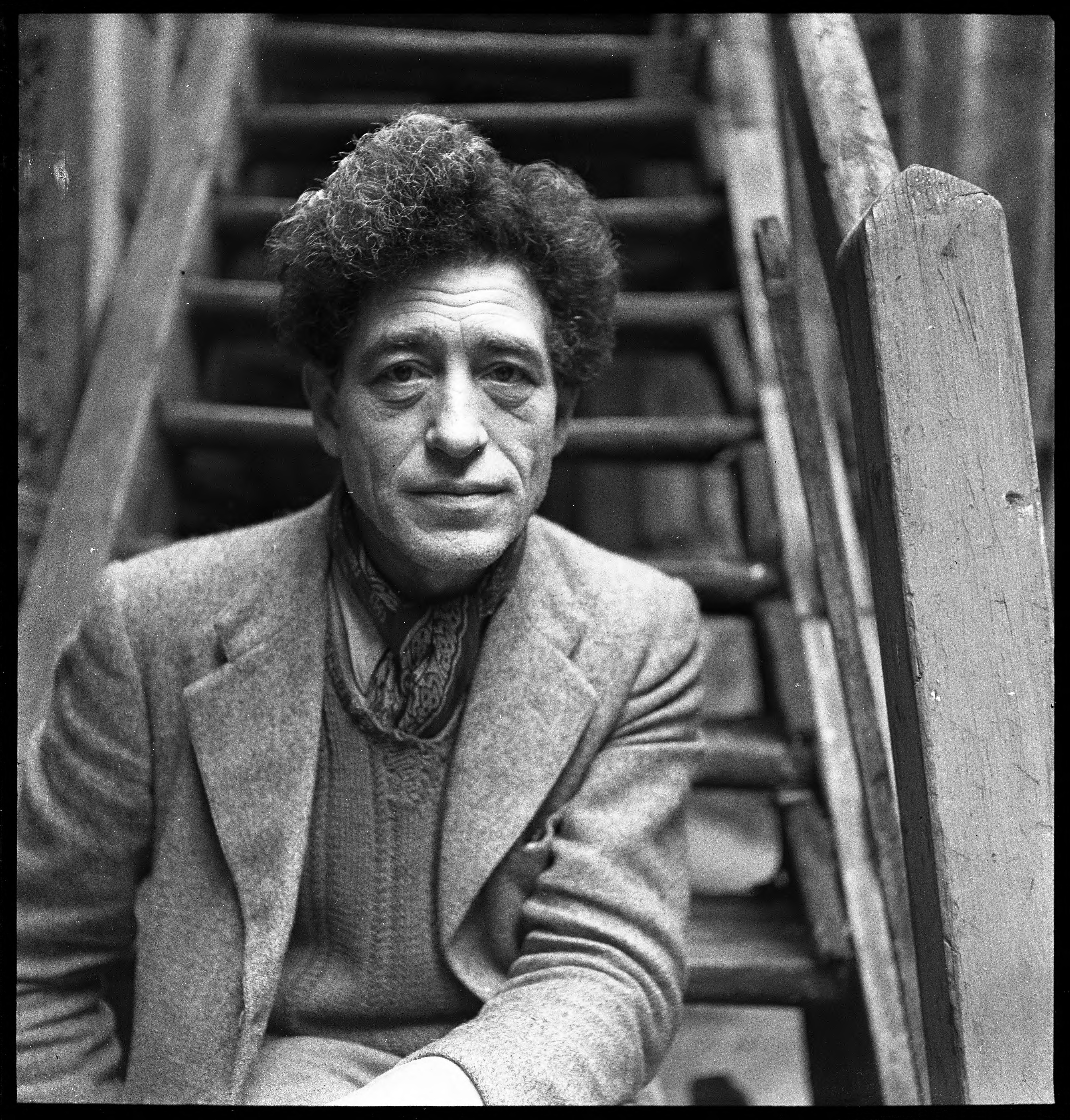
Alberto Giacometti was a Swiss sculptor, painter, draftsman, and printmaker whose elongated, haunting figures redefined modern sculpture through the lenses of Cubism, Surrealism, and existential philosophy.

Alexander Calder

** Alexander Calder (1898–1976) was an American sculptor celebrated for pioneering kinetic “mobiles,” static “stabiles,” and monumental public artworks that transformed the language of modern sculpture. **CONTENT:** ## Overview Alexander “Sandy” Calder stands as one of the most inventive figures of 20th‑century art. Born into a dynasty of sculptors—his father Alexander Stirling Calder and grandfather Alexander Milne Calder—he broke away from the traditional bronze portraiture of his lineage to explore movement, balance, and chance. In the 1930s Calder introduced the world’s first **mobiles**, delicate hanging constructions of wire, sheet metal, and painted steel that sway with the slightest draft. These kinetic works were not merely decorative; they embodied a philosophy that art could be alive, responsive, and ever‑changing. Alongside his mobiles, Calder produced **stabiles**, solid, often monumental sculptures that retain the same sense of dynamism through bold, abstract forms. His public commissions—ranging from the towering “Flamingo” in Chicago’s Federal Plaza to the soaring “La Grande Vitesse” in Grand Rapids—have become iconic landmarks, inviting everyday viewers to encounter modernist sculpture outside museum walls. Calder famously resisted theoretical explanations of his work, insisting that “theories may be all very well for the artist himself, but they shouldn't be broadcast to other people,” a stance that underscores his belief in direct, visceral experience over academic discourse. ## History/Background Calder was born on July 22, 1898, in **Philadelphia**, Pennsylvania, into a family steeped in artistic tradition. He studied at the **University of Pennsylvania**, where he earned a degree in mechanical engineering—a background that later informed his understanding of balance and motion. After serving in World War I, Calder traveled to **Paris** in 1926, immersing himself in the avant‑garde circles of **Pablo Picasso**, **Henri Matisse**, and **Marcel Duchamp**. It was during this period that he began experimenting with abstract drawing and small wire sculptures, which he called “drawings in space.” The breakthrough came in 1931 when a chance gust of wind set a wire sculpture he had hung in his studio into motion. This serendipitous moment sparked the creation of the first mobile, “Lobster Trap and Fish Tail,” which debuted at the **Museum of Modern Art** in 1932. Throughout the 1930s and 1940s Calder refined his technique, incorporating painted metal and experimenting with scale. By the 1950s he turned his attention to large‑scale public commissions, producing works that could be seen from city streets and plazas, cementing his reputation as a sculptor of both intimate and monumental scope. ## Key Information - **Birth/Death:** July 22, 1898 – November 11, 1976. - **Major Innovations:** Inventor of the **mobile**, a kinetic sculpture that moves with air currents; development of the **stabile**, a static counterpart that retains the mobile’s abstract language. - **Signature Materials:** Painted sheet metal, steel wire, aluminum, and later, bronze for public monuments. - **Notable Works:** “Lobster Trap and Fish Tail” (1932), “Black Widow” (1948), “Flamingo” (1974, Chicago), “La Grande Vitesse” (1969, Grand Rapids), “Mountains and Clouds” (1977, Tokyo). - **Awards & Honors:** 1966 **Gold Medal** from the American Academy of Arts and Letters; 1972 **Grand Prix National de la Sculpture** (France). - **Exhibitions:** First solo show at **Galerie Maeght** (Paris, 1936); retrospective at **MoMA** (1975). - **Philosophy:** Emphasized play, chance, and the viewer’s physical interaction with space; rejected rigid theoretical frameworks. ## Significance Calder’s impact reverberates across multiple artistic disciplines. By introducing movement as an intrinsic element of sculpture, he expanded the definition of three‑dimensional art and paved the way for later kinetic artists such as **Jean Tinguely** and **Nicolas Schöffer**. His mobiles challenged the static museum paradigm, encouraging audiences to experience art as a living, breathing presence. The **stabiles** demonstrated that abstraction could command public space without narrative, influencing urban design and the integration of art into civic environments. Beyond formal innovations, Calder’s playful ethos helped democratize modern art. His large public pieces are accessible to people of all ages and backgrounds, turning parks, plazas, and corporate courtyards into open‑air galleries. The enduring popularity of his works—evident in their frequent appearance in popular culture, from film set designs to album covers—attests to a legacy that bridges high art and everyday life. Calder’s insistence on personal, unmediated experience continues to inspire contemporary creators who seek to blur the boundaries between object, environment, and viewer. **INFOBOX:** - Name: Alexander Stirling Calder - Type: Sculptor / Kinetic Artist - Date: 1898 – 1976 - Location: United States (born Philadelphia; major works worldwide) - Known For: Inventing the mobile, creating monumental stabiles, and pioneering kinetic sculpture **TAGS:** Alexander Calder, kinetic art, mobile sculpture, stabile, modernism, public art, American sculptors, 20th‑century art

Alexander Fleming

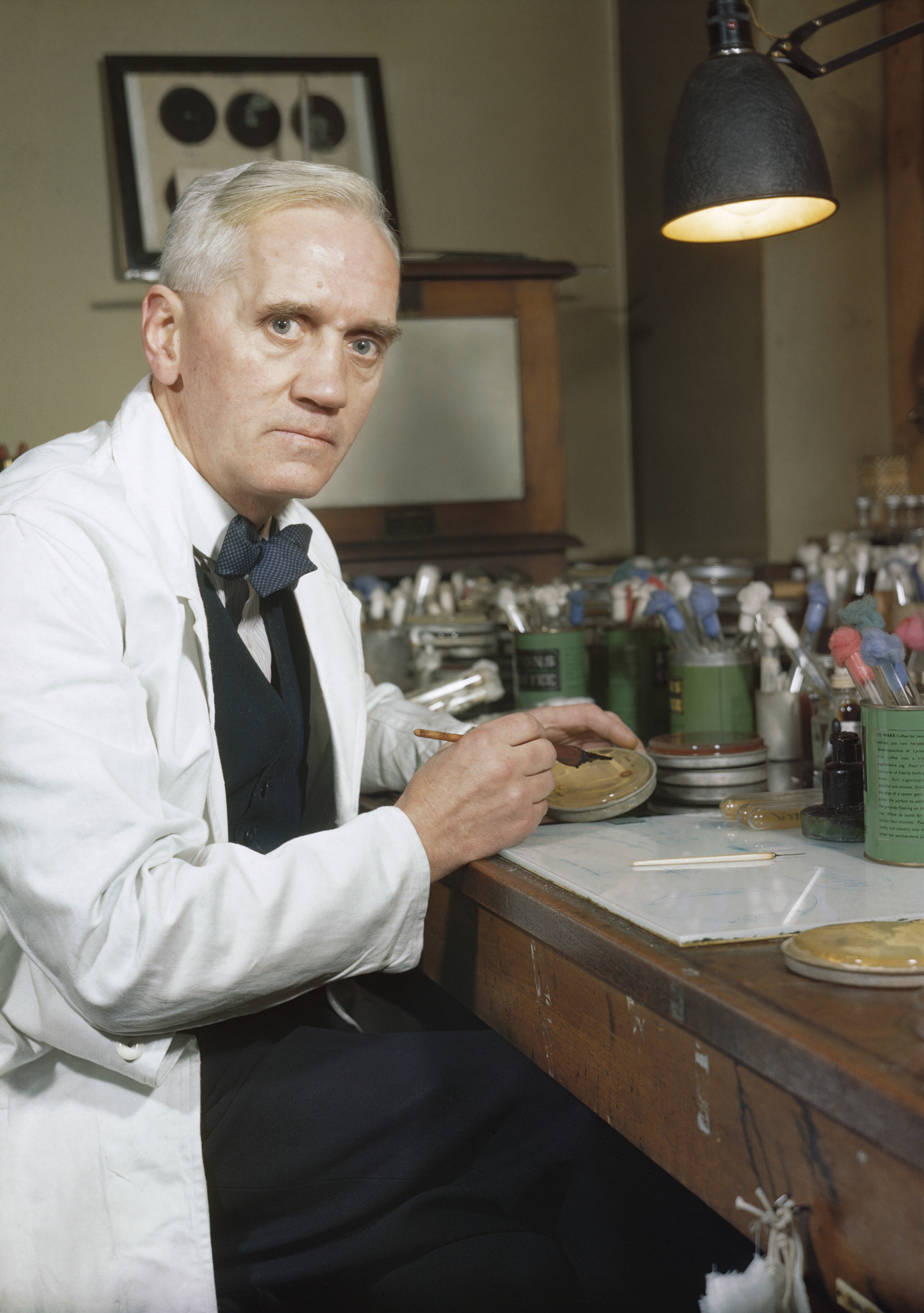
Sir Alexander Fleming was a Scottish physician-scientist whose accidental 1928 discovery of penicillin—the world’s first broadly effective antibiotic—revolutionized medicine, saving an estimated 200+ million lives and earning him the 1945 Nobel Prize.

Alexander Grothendieck

Alexander Grothendieck was a revolutionary mathematician who transformed algebraic geometry into a vast, abstract cathedral of theory, rebuilding the entire field with category theory, schemes, and a visionary "relative" perspective that reshaped modern pure mathematics.

Alexander Ovechkin

Alfred Nobel

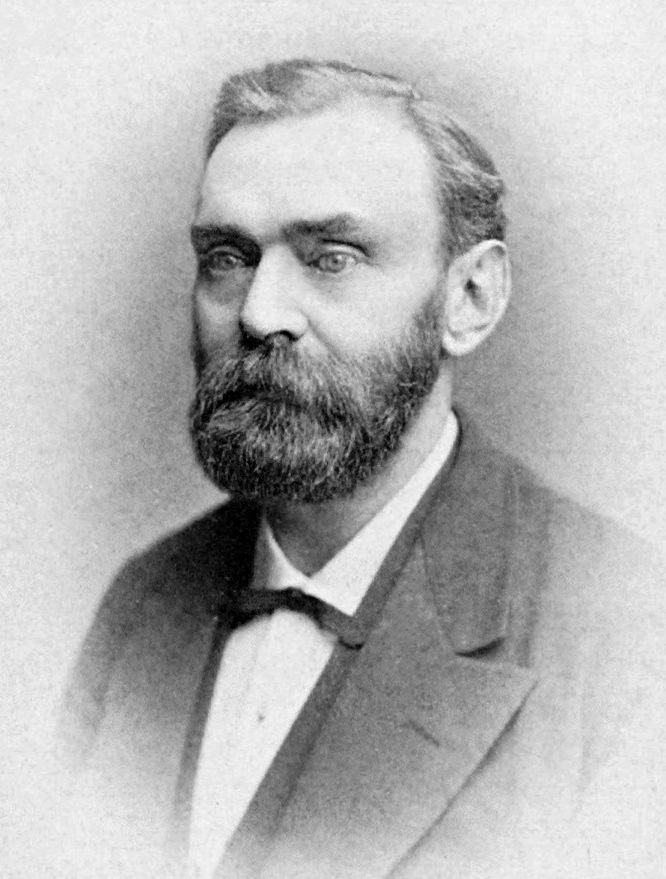
Swedish chemist Alfred Nobel invented dynamite, amassed 355 patents, and used his fortune to create the Nobel Prizes that still honor the world’s greatest achievements in peace, science, and literature.

Alfred North Whitehead

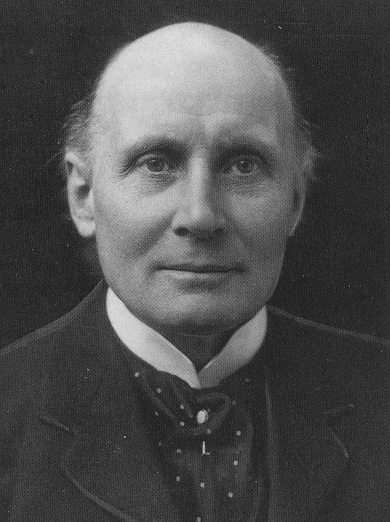
Alfred North Whitehead was a British mathematician-turned-philosopher whose “process philosophy” recast reality as a perpetual flux of creative events, reshaping twentieth-century thought from logic to ecology.

Alfred Sisley

Alfredo Di Stéfano

** Alfredo Di Stéfano (1926‑2014) was an Argentine‑born, naturalised Spanish forward whose brilliance propelled Real Madrid to unprecedented dominance in the 1950s‑60s, cementing his status as one of football’s all‑time greats. **CONTENT:** ## Overview Alfredo **Di Stéfano**—affectionately dubbed the **“Saeta Rubia”** (the Blonde Arrow)—redefined the modern forward with a blend of tactical intelligence, relentless stamina, and an uncanny eye for goal. Between 1953 and 1964 he starred for **Real Madrid**, guiding the club to five consecutive European Cup triumphs (1956‑1960) and eight La Liga titles. His versatility allowed him to operate as a striker, attacking midfielder, or deep‑lying playmaker, a rarity in an era dominated by rigid positions. In total, Di Stéfano scored **308 goals in 396 official matches** for Madrid, a conversion rate that still ranks among the highest in the club’s storied history. Beyond the numbers, Di Stéfano’s influence extended to the very philosophy of the game. He introduced a fluid, total‑football style that emphasized collective movement over individual flair, laying groundwork for later tactical revolutions. His leadership on and off the pitch earned him the reverence of teammates like **Francisco Gento** and **José María Zárraga**, with whom he remains one of only three players to feature in all five of Real Madrid’s early European Cup victories, scoring in each final. ## History/Background Born **Alfredo Stéfano Di Stéfano Laulhé** on **27 July 1926** in Buenos Aires, Argentina, he grew up in a modest neighborhood where street football honed his raw talent. He debuted professionally with **Club Atlético River Plate** in 1945, quickly becoming a key figure in the famed “La Máquina” (The Machine) side that dominated Argentine football. A brief, tumultuous stint with **Millonarios** in Colombia (1949‑1953) during the “El Dorado” era showcased his adaptability, as he led the club to three league titles and earned the nickname “Saeta Rubia” for his swift, incisive runs. In 1953, Real Madrid’s president **Santiago Bernabéu** secured Di Stéfano’s transfer, a move that would alter the trajectory of European football. After a year of bureaucratic wrangling over his international eligibility, he became a naturalised Spanish citizen in 1956, allowing him to represent **Spain**—for whom he earned 31 caps and scored 23 goals. His club career spanned **11 seasons** (1953‑1964) at the Bernabéu, after which he retired as a player and transitioned into management, leading clubs such as **Valencia**, **Real Madrid**, and **River Plate**, and later serving as Real Madrid’s sporting director. ## Key Information - **Full name:** Alfredo Stéfano Di Stéfano Laulhé - **Birth‑Death:** 27 July 1926 – 7 July 2014 - **Positions:** Forward, attacking midfielder, deep‑lying playmaker - **Club career:** River Plate (1945‑1949), Millonarios (1949‑1953), Real Madrid (1953‑1964) - **Real Madrid stats:** 308 goals in 396 official matches; 5 European Cups, 8 La Liga titles, 2 Copa del Rey trophies - **International play:** 6 caps/2 goals for Argentina (1947‑1949); 31 caps/23 goals for Spain (1957‑1962) - **Individual honors:** Ballon d’Or runner‑up (1957, 1959), FIFA World Cup All‑Star Team (1958), UEFA European Cup top scorer (1956‑57, 1957‑58) - **Coaching achievements:** Led Valencia to La Liga title (1970‑71), guided Real Madrid to Copa del Rey (1979‑80) as manager, oversaw the signing of **Emilio Butragueño** and **Michel** as sporting director. ## Significance Alfredo Di Stéfano’s legacy is inseparable from the mythos of **Real Madrid**. His arrival marked the club’s transformation from a domestic powerhouse into a global juggernaut, establishing a winning culture that persists today. By scoring in **all five** of the early European Cup finals, he set a benchmark for consistency under pressure, a feat unmatched in the competition’s history. Tactically, Di Stéfano pioneered the “**false nine**” concept decades before it became fashionable, dropping deep to orchestrate attacks while still threatening the box—a blueprint later echoed by players like **Lionel Messi** and **Franz Beckenbauer**. His emphasis on teamwork over individual glory helped shape the modern, fluid attacking systems employed by coaches such as **Pep Guardiola** and **Jürgen Klopp**. Off the field, his dual national identity sparked debates about player naturalisation, influencing FIFA’s later eligibility rules. As a manager and director, he mentored a generation of Spanish talent, contributing to the foundations of Spain’s “Golden Era” that culminated in the 2010 World Cup triumph. In popular culture, Di Stéfano remains a symbol of elegance and determination, his story taught in academies worldwide as a case study in adaptability, leadership, and the power of a single player to reshape an institution’s destiny. **INFOBOX:** - Name: Alfredo Stéfano Di Stéfano Laulhé - Type: Professional footballer & manager - Date: 27 July 1926 – 7 July 2014 - Location: Buenos Aires, Argentina (birth); Madrid, Spain (career & death) - Known For: Leading Real Madrid to five consecutive European Cups and pioneering the modern forward role **TAGS:** football, Real Madrid, European Cup, Argentine, Spanish, forward, legend, sports history

Ali Farka Toure

Alma Thomas

Amadou And Mariam