




Overview
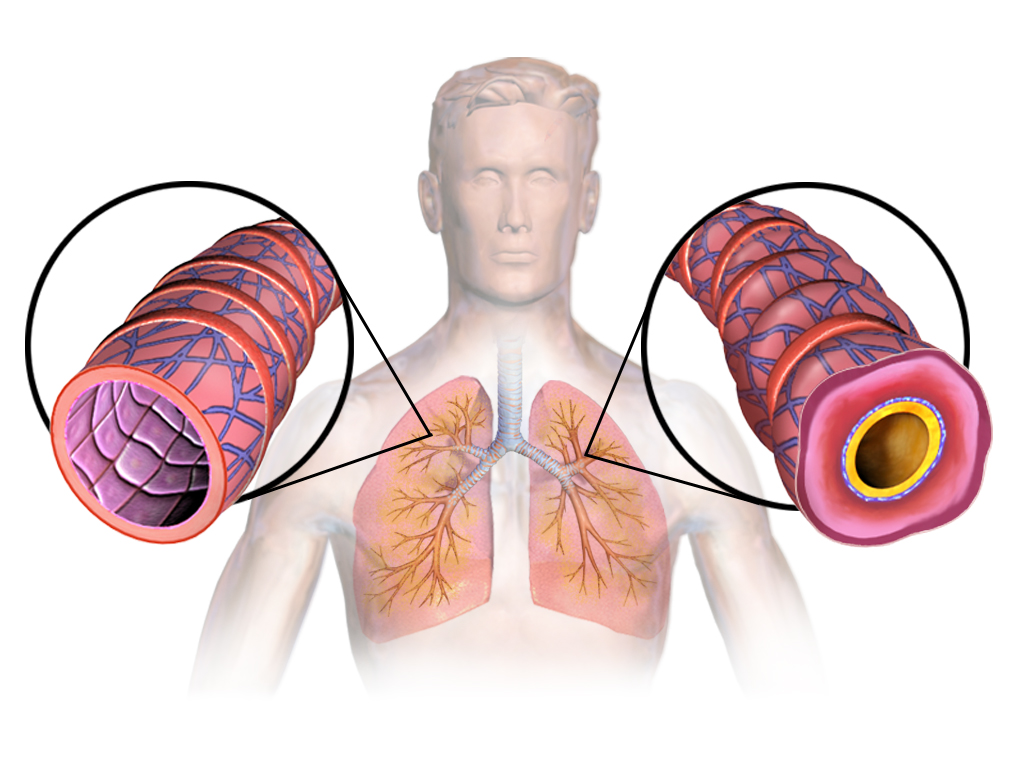
Asthma is a common, long-term inflammatory disease of the airways that affects millions of people worldwide, causing recurring symptoms and reduced lung function. The disease is characterized by episodes of wheezing, coughing, chest tightness, and shortness of breath, which can be triggered by allergens, pollen, dust, or other particles inhaled into the lungs. Asthma is a complex condition that requires ongoing management and treatment to control symptoms and prevent exacerbations.
According to the World Health Organization (WHO), asthma affects approximately 339 million people worldwide, with the majority of cases occurring in developed countries. In the United States alone, over 25 million people have been diagnosed with asthma, with the disease accounting for approximately 1 in 13 people. Asthma is a significant public health concern, with the disease causing over 3,500 deaths annually in the United States.
Background & Origins
Asthma is a multifactorial disease, with both genetic and environmental factors contributing to its development. While the exact causes of asthma are still not fully understood, research suggests that a combination of genetic predisposition, environmental triggers, and immune system dysfunction play a role in the development of the disease.
Major Achievements & Milestones
[Development of the first asthma medication] (1900): The first asthma medication, epinephrine, was developed in the early 20th century. Epinephrine, also known as adrenaline, is a bronchodilator that helps to relax airway muscles and improve breathing.
[Introduction of corticosteroids] (1950s): Corticosteroids, a class of anti-inflammatory medications, were introduced in the 1950s. Corticosteroids have revolutionized the treatment of asthma, reducing inflammation and improving lung function in people with the disease.
[Development of inhaled corticosteroids] (1970s): In the 1970s, inhaled corticosteroids were developed, allowing for more targeted and effective treatment of asthma. Inhaled corticosteroids are still a cornerstone of asthma treatment today.
Timeline
- 1900: Epinephrine, the first asthma medication, is developed.
- 1950s: Corticosteroids are introduced as a treatment for asthma.
- 1970s: Inhaled corticosteroids are developed.
- 1980s: The first asthma action plan is developed, providing a framework for managing asthma symptoms.
- 2000s: The National Asthma Education and Prevention Program (NAEPP) is established, providing guidelines for asthma diagnosis, treatment, and management.
Impact & Legacy
Asthma has a significant impact on individuals, families, and society as a whole. The disease can cause significant morbidity and mortality, with asthma-related deaths occurring annually. However, with proper management and treatment, people with asthma can lead active and fulfilling lives.
Asthma has also had a significant impact on the development of medical research and treatment. The disease has driven innovation in the development of new medications and treatments, improving the lives of millions of people worldwide.
Records & Notable Facts
> "Asthma is a chronic disease that requires ongoing management and treatment to control symptoms and prevent exacerbations." - American Lung Association
* Asthma affects approximately 339 million people worldwide.
* In the United States, over 25 million people have been diagnosed with asthma.
* Asthma is a significant public health concern, with the disease causing over 3,500 deaths annually in the United States.
* The first asthma medication, epinephrine, was developed in the early 20th century.
* Corticosteroids, a class of anti-inflammatory medications, were introduced in the 1950s.
* Inhaled corticosteroids were developed in the 1970s.



