




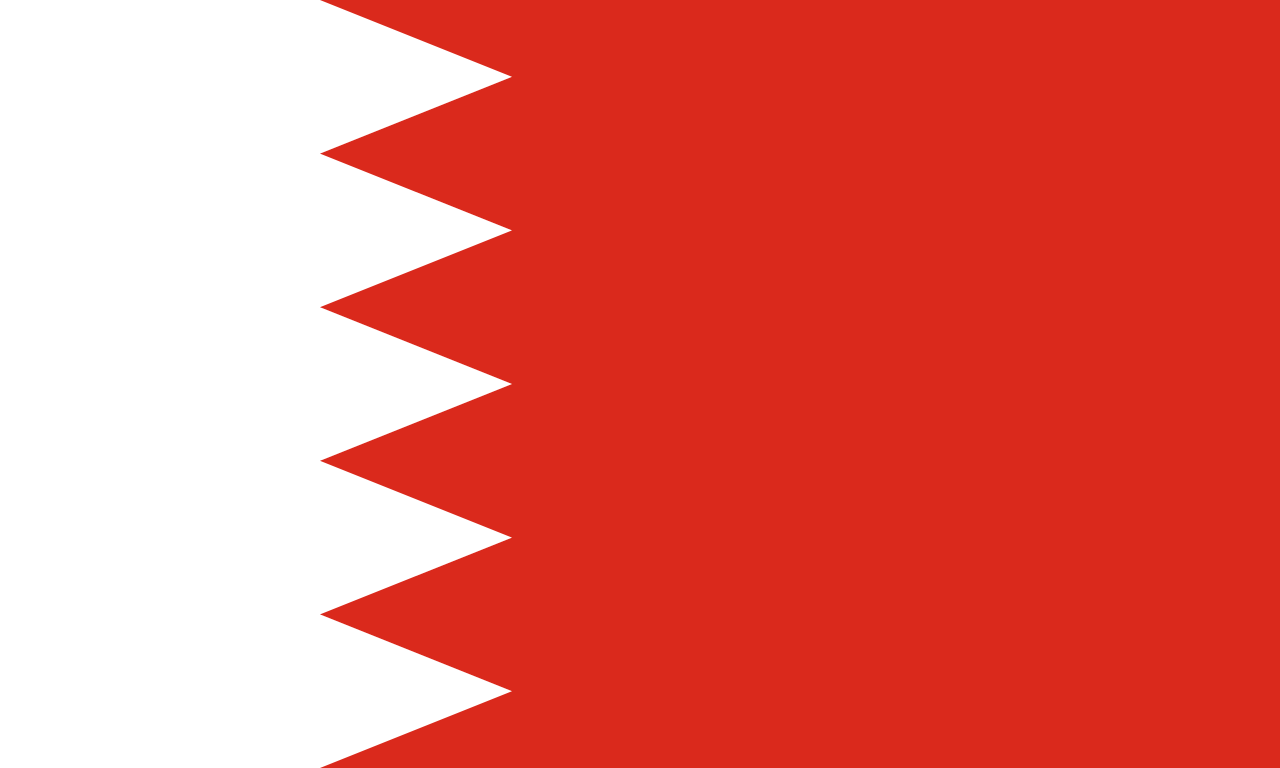
Overview
Bahrain, officially the Kingdom of Bahrain, is a sovereign state located in the heart of the Persian Gulf. The country is an archipelago of 33 natural islands and 50 artificial islands, with Bahrain Island being the largest and most populous. The island nation boasts a unique blend of traditional and modern architecture, with ancient forts, mosques, and souks (markets) standing alongside sleek skyscrapers and luxurious shopping malls. Bahrain's strategic location, between Qatar and the northeastern coast of Saudi Arabia, has made it an important hub for trade and commerce for centuries.
The country's capital and largest city, Manama, is a bustling metropolis with a rich cultural heritage. The city is home to the famous Bahrain Fort, a UNESCO World Heritage Site, as well as the Al Fateh Grand Mosque, one of the largest mosques in the world. Bahrain's economy is driven by its oil and gas reserves, as well as its thriving financial sector, with the country being a major hub for Islamic banking and finance.
Bahrain is also known for its vibrant arts and culture scene, with numerous museums, galleries, and festivals celebrating the country's rich history and heritage. The Bahrain International Film Festival, the Bahrain International Music Festival, and the Bahrain International Food Festival are just a few examples of the many cultural events that take place throughout the year.
History/Background
Bahrain has a long and storied history, with evidence of human habitation dating back to the 4th millennium BCE. The country was an important center of trade and commerce in the ancient world, with the Dilmun civilization flourishing in the region from around 3000 to 538 BCE. The Dilmun people were known for their advanced irrigation systems, which allowed them to cultivate crops in the arid desert environment.
In the 7th century CE, Bahrain was conquered by the Arabs, who introduced Islam to the region. The country remained under Arab rule for centuries, with the Al Khalifa dynasty ruling Bahrain from the 18th century to the present day. Bahrain gained independence from the United Kingdom in 1971 and has since developed into a modern, prosperous nation.
Key Information
* Population: 1,588,670 (as of 2024)
* Area: 760 square kilometers (290 sq mi)
* Capital: Manama
* Language: Arabic (official), English (widely spoken)
* Currency: Bahraini dinar
* GDP (nominal): $43.6 billion (2022 est.)
* GDP per capita: $27,600 (2022 est.)
Bahrain is a constitutional monarchy, with the Al Khalifa dynasty ruling the country. The country has a diverse economy, with major industries including oil and gas, finance, and tourism. Bahrain is also home to a number of international organizations, including the Bahrain International Airport, which is a major hub for air travel in the region.
Significance
Bahrain is a significant player in the Middle East, with its strategic location and rich cultural heritage making it an important hub for trade and commerce. The country's economy is driven by its oil and gas reserves, as well as its thriving financial sector, with Bahrain being a major hub for Islamic banking and finance.
Bahrain's cultural significance cannot be overstated, with the country being home to a number of UNESCO World Heritage Sites, including the Bahrain Fort and the Al Fateh Grand Mosque. The country's vibrant arts and culture scene, with numerous museums, galleries, and festivals celebrating the country's rich history and heritage, makes it a popular destination for tourists and cultural enthusiasts.


