




Overview
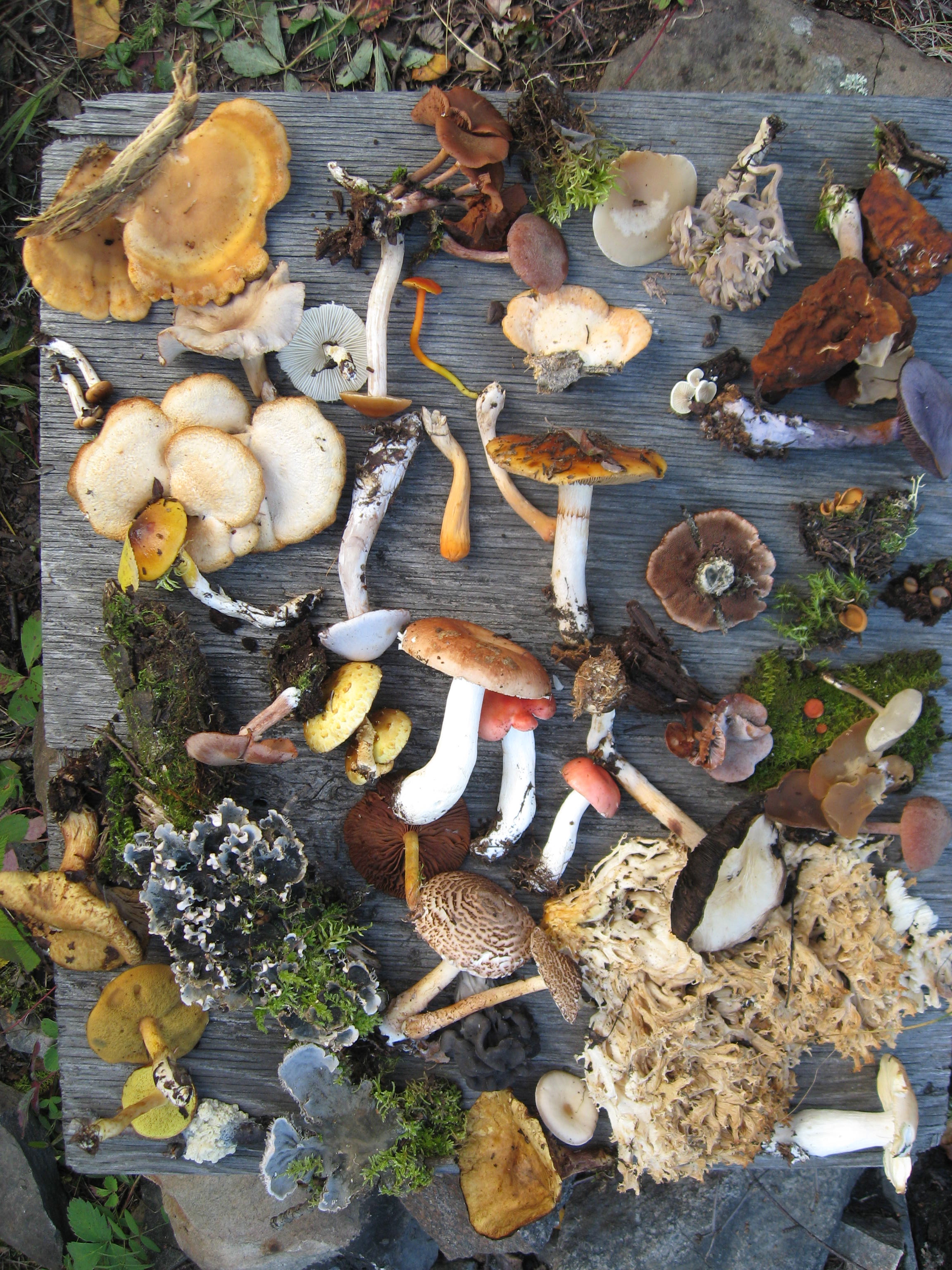
Biodiversity—short for biological diversity—captures the full spectrum of life, from the tiniest DNA sequence variations to the grandest forested landscapes. Scientists quantify it on several hierarchical levels: genetic variability (the allelic differences within and between populations), species diversity (the number and relative abundance of species), ecosystem diversity (the variety of habitats, ecological processes, and community interactions), and phylogenetic diversity (the evolutionary breadth represented by lineages). Together, these layers form a resilient web that sustains ecosystem services such as pollination, carbon sequestration, and nutrient cycling.Geographically, biodiversity is far from uniform. The tropics—roughly the band between 23.5° N and 23.5° S—host a disproportionate share of life because warm temperatures and high primary productivity (often exceeding 2,000 g C m⁻² yr⁻¹) create abundant energy flows. Although tropical forest ecosystems occupy less than one‑fifth (≈19 %) of Earth’s terrestrial surface, they shelter about 50 % of all known species. This latitudinal gradient holds true for marine realms as well; coral reefs and upwelling zones near the equator support a richer assemblage of fish, invertebrates, and algae than temperate seas.
The sheer magnitude of life is staggering. Current estimates suggest 8.7 million ± 1.3 million eukaryotic species, of which only about 1.2 million have been formally described. Hidden diversity—microbial taxa, cryptic species, and deep‑sea organisms—means the true figure could be far higher. Understanding and preserving this variability is essential for maintaining the planet’s ecological balance and for human well‑being.
History/Background
The concept of biodiversity emerged in the late 20th century as ecologists recognized that species counts alone failed to capture the full complexity of life. In 1975, biologist E. O. Wilson popularized the term in his book The Diversity of Life, arguing for a holistic view that included genetic and ecosystem dimensions. The Convention on Biological Diversity (CBD), opened for signature at the 1992 Earth Summit in Rio de Janeiro, marked the first global treaty explicitly dedicated to conserving biodiversity, promoting sustainable use, and ensuring fair benefit‑sharing of genetic resources. Subsequent milestones include the 2000 Millennium Ecosystem Assessment, which linked biodiversity loss to declines in ecosystem services, and the 2010 Aichi Biodiversity Targets, a set of 20 quantitative goals to be achieved by 2020.Advances in molecular techniques—DNA barcoding, next‑generation sequencing, and environmental DNA (eDNA) sampling—have revolutionized the measurement of genetic variability and accelerated species discovery. Remote sensing satellites now map ecosystem diversity at a planetary scale, detecting changes in forest canopy cover, coral bleaching, and peatland extent with sub‑kilometer resolution.
Key Information
- Levels of biodiversity: genetic (allelic richness, heterozygosity), species (richness, evenness), ecosystem (habitat types, functional processes), phylogenetic (branch length, evolutionary distinctiveness). - Geographic patterns: Latitudinal gradients show a 2–3‑fold increase in species richness from poles to equator; tropical rainforests contain ~0.5 billion tree species, while boreal forests host <0.1 billion. - Threats: Habitat loss (≈ 75 % of terrestrial biodiversity decline since 1970), overexploitation, invasive species, pollution, and climate change. The IPBES Global Assessment (2019) warned that up to 1 million species face extinction within decades. - Conservation metrics: The Red List Index, Living Planet Index, and Biodiversity Intactness Index track trends; as of 2023, the Living Planet Index shows a 68 % average decline in vertebrate populations since 1970. - Economic value: The World Bank (2020) estimated that ecosystem services derived from biodiversity contribute roughly US $125 trillion per year, about 7 % of global GDP.Significance
Biodiversity underpins the planetary life support system. Genetic diversity fuels adaptation to emerging stressors such as pathogens and climate extremes, while species and ecosystem diversity maintain functional redundancy—multiple species performing similar roles—thereby buffering ecosystems against collapse. Human societies rely on biodiversity for food security (over 2,000 crop varieties and 1,000 livestock breeds), medicine (≈ 25 % of modern pharmaceuticals trace back to natural compounds), and cultural identity.Loss of biodiversity erodes these services, amplifying vulnerability to natural disasters, reducing agricultural yields, and compromising health. Moreover, the ethical argument—that all forms of life have intrinsic worth—has galvanized global movements for rewilding, protected area expansion, and indigenous stewardship. The upcoming Post‑2020 Global Biodiversity Framework, slated for adoption at the COP15 (2023) in Montreal, seeks to set net‑zero biodiversity loss targets by 2050, reflecting the urgent need to reverse decades of decline.



