


Science
Physics, Chemistry, Biology, Space, Medicine and scientific discoveries · 280 articles
 Acids And Bases
Acids and bases are fundamental chemical concepts that govern reactions from industrial processes to biological systems, shaping everything from pH balance in blood to the tang of citrus.
Acids And Bases
Acids and bases are fundamental chemical concepts that govern reactions from industrial processes to biological systems, shaping everything from pH balance in blood to the tang of citrus.
 Dr. Sage Newton
39
Dr. Sage Newton
39
 Agricultural Chemistry
Agricultural chemistry applies chemical principles to enhance agricultural productivity and sustainability through the study of soil, crops, and livestock biochemistry.
Dr. Sage Newton
11
Agricultural Chemistry
Agricultural chemistry applies chemical principles to enhance agricultural productivity and sustainability through the study of soil, crops, and livestock biochemistry.
Dr. Sage Newton
11
 Analytical Chemistry
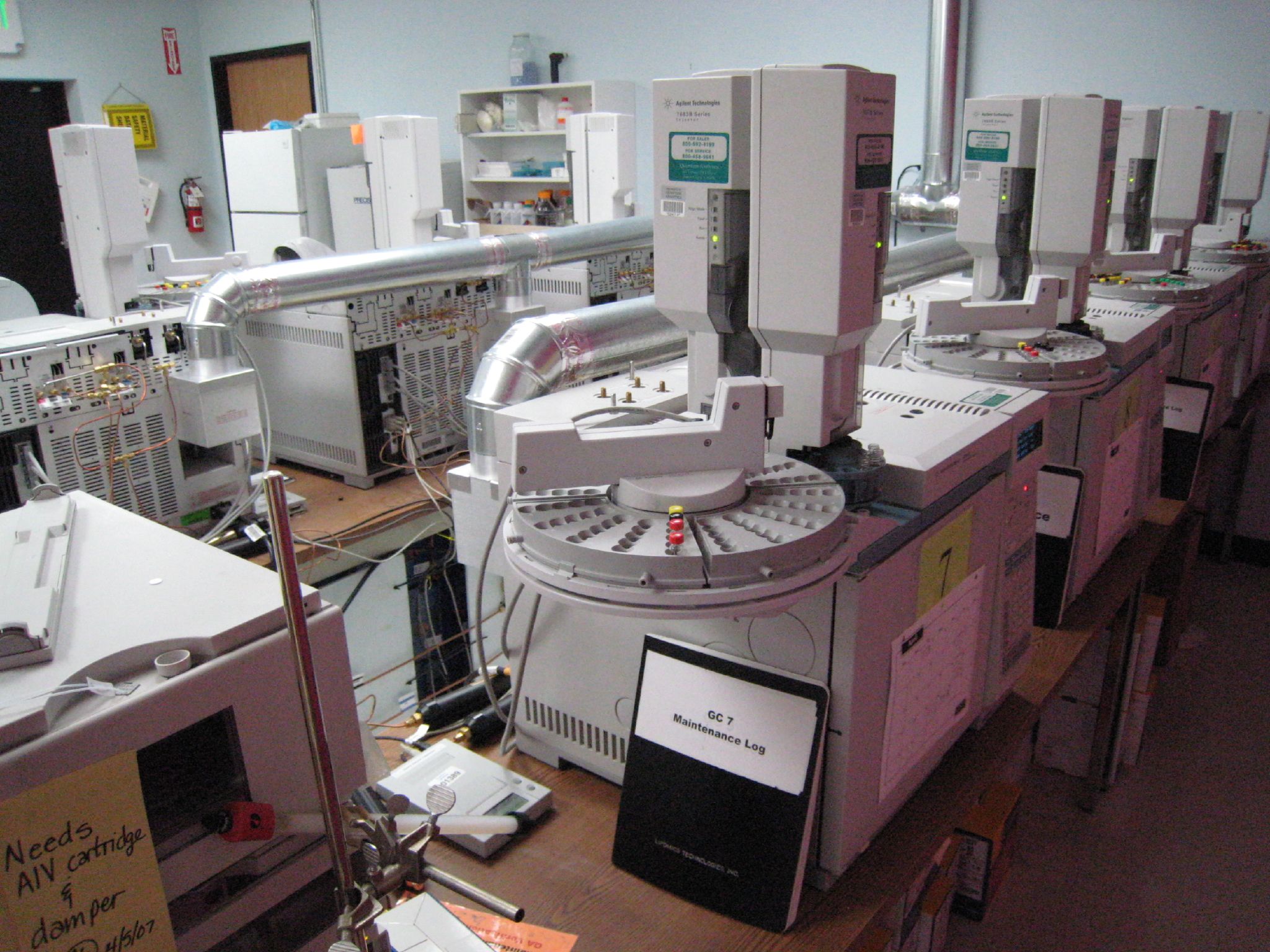
Analytical chemistry is the scientific discipline focused on identifying and quantifying the composition of substances, employing both classical and advanced instrumental techniques to analyze materials across diverse fields.
Dr. Sage Newton
11
Analytical Chemistry
Analytical chemistry is the scientific discipline focused on identifying and quantifying the composition of substances, employing both classical and advanced instrumental techniques to analyze materials across diverse fields.
Dr. Sage Newton
11
 Anatomy Basics
A foundational guide to the structure, terminology, and functional organization of the human body’s anatomical systems.
Dr. Sage Newton
18
Anatomy Basics
A foundational guide to the structure, terminology, and functional organization of the human body’s anatomical systems.
Dr. Sage Newton
18
 Antimatter
, the enigmatic mirror of ordinary matter, holds the key to understanding cosmic imbalances and powers cutting-edge medical technologies, despite being one of the most expensive substances to produce.
Dr. Sage Newton
22
Antimatter
Antimatter, the enigmatic mirror of ordinary matter, holds the key to understanding cosmic imbalances and powers cutting-edge medical technologies, despite being one of the most expensive substances to produce.
Dr. Sage Newton
22
 Bacteriology
** Bacteriology is the scientific discipline dedicated to studying the structure, function, genetics, ecology, and practical applications of bacteria.
**CONTENT:**
## Overview
Bacteriology occupies a central niche within the life sciences, focusing on **bacteria**—single‑celled prokaryotes that range in size from roughly **0.2 µm to 10 µm**. Researchers examine bacterial **morphology** (shape, size, and cellular architecture), **ecology** (interactions with environments ranging from deep‑sea vents to the human gut), **genetics** (DNA organization, horizontal gene transfer, CRISPR systems), and **biochemistry** (metabolic pathways, enzyme systems, and antibiotic synthesis). Modern bacteriology blends classical techniques such as Gram staining and culture on agar plates with high‑throughput sequencing, proteomics, and single‑cell imaging, allowing scientists to identify, classify, and characterize thousands of bacterial species each year.
Although bacteriology is a subfield of **microbiology**, it retains a distinct identity because bacteria differ fundamentally from other microorganisms—**protozoa** (eukaryotic), **fungi** (eukaryotic with chitinous walls), and **viruses** (acellular). The discipline therefore demands specialized methods for cultivating obligate anaerobes, measuring growth rates (often expressed as **doubling times** of 20 minutes for *Escherichia coli* under optimal conditions), and probing unique cellular processes such as **binary fission** and **sporulation**.
## History/Background
The formal study of bacteria began in the late 17th century when **Antonie van Leeuwenhoek** first observed “animalcules” using a handcrafted microscope in **1676**. However, it was not until **1884**, when **Robert Koch** isolated *Bacillus anthracis* and formulated his postulates, that bacteriology emerged as a rigorous scientific field. Koch’s work laid the groundwork for linking specific bacteria to disease, a breakthrough that earned him the **Nobel Prize in Physiology or Medicine (1905)**.
The early 20th century saw rapid expansion: **Paul Ehrlich** introduced the concept of a “magic bullet” with the arsenic compound **Salvarsan** (1910) to treat syphilis, while **Selman Waksman** discovered the first widely used antibiotic, **streptomycin**, in **1943**, opening the era of antimicrobial therapy. The advent of **electron microscopy** in the 1950s revealed ultrastructural details such as the **peptidoglycan layer** and **flagellar motors**, and the **1970s** ushered in recombinant DNA technology, enabling the cloning of bacterial genes and the production of insulin in *E. coli*.
In the 21st century, next‑generation sequencing (NGS) transformed bacteriology. The **Human Microbiome Project (2008‑2012)** cataloged over **1,000 bacterial species** inhabiting the human body, highlighting the symbiotic roles of microbes in health and disease. Simultaneously, CRISPR‑Cas systems—originally discovered as bacterial adaptive immunity—have become powerful genome‑editing tools across biology and medicine.
## Key Information
- **Classification:** Bacteria are grouped into **phyla** (e.g., Proteobacteria, Firmicutes, Actinobacteria) based on 16S rRNA gene sequences; over **30 %** of described bacterial species belong to the **Proteobacteria** phylum.
- **Cultivation:** Traditional media (LB broth, blood agar) support aerobic growth, while specialized anaerobic chambers enable growth of obligate anaerobes like *Clostridium difficile*.
- **Genomics:** A typical bacterial genome ranges from **0.5 Mb to 10 Mb**, encoding **500–10,000 genes**; the smallest known genome belongs to *Mycoplasma genitalium* (~580 kb).
- **Metabolism:** Bacteria exhibit diverse metabolic strategies—**aerobic respiration**, **fermentation**, **chemosynthesis**, and **photosynthesis** (e.g., cyanobacteria).
- **Pathogenicity:** Virulence factors include **toxins**, **adhesins**, and **capsular polysaccharides**; the rise of **multidrug‑resistant (MDR)** strains such as **MRSA** (methicillin‑resistant *Staphylococcus aureus*) poses a global health threat.
- **Biotechnological Applications:** Bacterial fermentation produces **antibiotics**, **vitamins**, **biofuels**, and **bioplastics**; engineered *E. coli* can synthesize **artemisinin** precursors for malaria treatment.
## Significance
Bacteriology underpins modern medicine, agriculture, industry, and environmental stewardship. Understanding bacterial pathogens has enabled the development of vaccines (e.g., *Haemophilus influenzae* type b, 1985) and antimicrobial therapies that saved countless lives. Conversely, insights into beneficial microbes have revolutionized **probiotic** formulations, **bioremediation** of oil spills, and **nitrogen fixation** in sustainable farming. The discipline also informs public‑health strategies against emerging threats like **COVID‑19**, where secondary bacterial infections significantly affect patient outcomes. As antibiotic resistance accelerates, bacteriology drives the search for novel **phage therapies**, **antimicrobial peptides**, and **synthetic biology** solutions, ensuring its relevance for the next century.
**INFOBOX:**
- Name: Bacteriology
- Type: Scientific discipline (subfield of microbiology)
- Date: Established 1884 (Koch’s postulates)
- Location: Global (research institutions, clinical labs, environmental sites)
- Known For: Systematic study of bacterial structure, genetics, ecology, and applications
**TAGS:** microbiology, bacteria, genetics, infectious disease, biotechnology, antibiotics, microbial ecology, public health
Dr. Sage Newton
15
Bacteriology
** Bacteriology is the scientific discipline dedicated to studying the structure, function, genetics, ecology, and practical applications of bacteria.
**CONTENT:**
## Overview
Bacteriology occupies a central niche within the life sciences, focusing on **bacteria**—single‑celled prokaryotes that range in size from roughly **0.2 µm to 10 µm**. Researchers examine bacterial **morphology** (shape, size, and cellular architecture), **ecology** (interactions with environments ranging from deep‑sea vents to the human gut), **genetics** (DNA organization, horizontal gene transfer, CRISPR systems), and **biochemistry** (metabolic pathways, enzyme systems, and antibiotic synthesis). Modern bacteriology blends classical techniques such as Gram staining and culture on agar plates with high‑throughput sequencing, proteomics, and single‑cell imaging, allowing scientists to identify, classify, and characterize thousands of bacterial species each year.
Although bacteriology is a subfield of **microbiology**, it retains a distinct identity because bacteria differ fundamentally from other microorganisms—**protozoa** (eukaryotic), **fungi** (eukaryotic with chitinous walls), and **viruses** (acellular). The discipline therefore demands specialized methods for cultivating obligate anaerobes, measuring growth rates (often expressed as **doubling times** of 20 minutes for *Escherichia coli* under optimal conditions), and probing unique cellular processes such as **binary fission** and **sporulation**.
## History/Background
The formal study of bacteria began in the late 17th century when **Antonie van Leeuwenhoek** first observed “animalcules” using a handcrafted microscope in **1676**. However, it was not until **1884**, when **Robert Koch** isolated *Bacillus anthracis* and formulated his postulates, that bacteriology emerged as a rigorous scientific field. Koch’s work laid the groundwork for linking specific bacteria to disease, a breakthrough that earned him the **Nobel Prize in Physiology or Medicine (1905)**.
The early 20th century saw rapid expansion: **Paul Ehrlich** introduced the concept of a “magic bullet” with the arsenic compound **Salvarsan** (1910) to treat syphilis, while **Selman Waksman** discovered the first widely used antibiotic, **streptomycin**, in **1943**, opening the era of antimicrobial therapy. The advent of **electron microscopy** in the 1950s revealed ultrastructural details such as the **peptidoglycan layer** and **flagellar motors**, and the **1970s** ushered in recombinant DNA technology, enabling the cloning of bacterial genes and the production of insulin in *E. coli*.
In the 21st century, next‑generation sequencing (NGS) transformed bacteriology. The **Human Microbiome Project (2008‑2012)** cataloged over **1,000 bacterial species** inhabiting the human body, highlighting the symbiotic roles of microbes in health and disease. Simultaneously, CRISPR‑Cas systems—originally discovered as bacterial adaptive immunity—have become powerful genome‑editing tools across biology and medicine.
## Key Information
- **Classification:** Bacteria are grouped into **phyla** (e.g., Proteobacteria, Firmicutes, Actinobacteria) based on 16S rRNA gene sequences; over **30 %** of described bacterial species belong to the **Proteobacteria** phylum.
- **Cultivation:** Traditional media (LB broth, blood agar) support aerobic growth, while specialized anaerobic chambers enable growth of obligate anaerobes like *Clostridium difficile*.
- **Genomics:** A typical bacterial genome ranges from **0.5 Mb to 10 Mb**, encoding **500–10,000 genes**; the smallest known genome belongs to *Mycoplasma genitalium* (~580 kb).
- **Metabolism:** Bacteria exhibit diverse metabolic strategies—**aerobic respiration**, **fermentation**, **chemosynthesis**, and **photosynthesis** (e.g., cyanobacteria).
- **Pathogenicity:** Virulence factors include **toxins**, **adhesins**, and **capsular polysaccharides**; the rise of **multidrug‑resistant (MDR)** strains such as **MRSA** (methicillin‑resistant *Staphylococcus aureus*) poses a global health threat.
- **Biotechnological Applications:** Bacterial fermentation produces **antibiotics**, **vitamins**, **biofuels**, and **bioplastics**; engineered *E. coli* can synthesize **artemisinin** precursors for malaria treatment.
## Significance
Bacteriology underpins modern medicine, agriculture, industry, and environmental stewardship. Understanding bacterial pathogens has enabled the development of vaccines (e.g., *Haemophilus influenzae* type b, 1985) and antimicrobial therapies that saved countless lives. Conversely, insights into beneficial microbes have revolutionized **probiotic** formulations, **bioremediation** of oil spills, and **nitrogen fixation** in sustainable farming. The discipline also informs public‑health strategies against emerging threats like **COVID‑19**, where secondary bacterial infections significantly affect patient outcomes. As antibiotic resistance accelerates, bacteriology drives the search for novel **phage therapies**, **antimicrobial peptides**, and **synthetic biology** solutions, ensuring its relevance for the next century.
**INFOBOX:**
- Name: Bacteriology
- Type: Scientific discipline (subfield of microbiology)
- Date: Established 1884 (Koch’s postulates)
- Location: Global (research institutions, clinical labs, environmental sites)
- Known For: Systematic study of bacterial structure, genetics, ecology, and applications
**TAGS:** microbiology, bacteria, genetics, infectious disease, biotechnology, antibiotics, microbial ecology, public health
Dr. Sage Newton
15
 Bhagavad Gita
The **Bhagavad Gita** is a 700‑verse Hindu scripture that forms part of the Indian epic Mahabharata, presenting a dialogue between prince Arjuna and the god Krishna on duty, devotion, and the nature of reality.
Bhagavad Gita
The **Bhagavad Gita** is a 700‑verse Hindu scripture that forms part of the Indian epic Mahabharata, presenting a dialogue between prince Arjuna and the god Krishna on duty, devotion, and the nature of reality.
 Magus Zoroaster
1
Magus Zoroaster
1
 Biochemistry
 is the scientific study of chemical processes within living organisms, bridging chemistry and biology to explain life at the molecular level.
Dr. Sage Newton
8
Biochemistry
Biochemistry is the scientific study of chemical processes within living organisms, bridging chemistry and biology to explain life at the molecular level.
Dr. Sage Newton
8
 Biodiversity
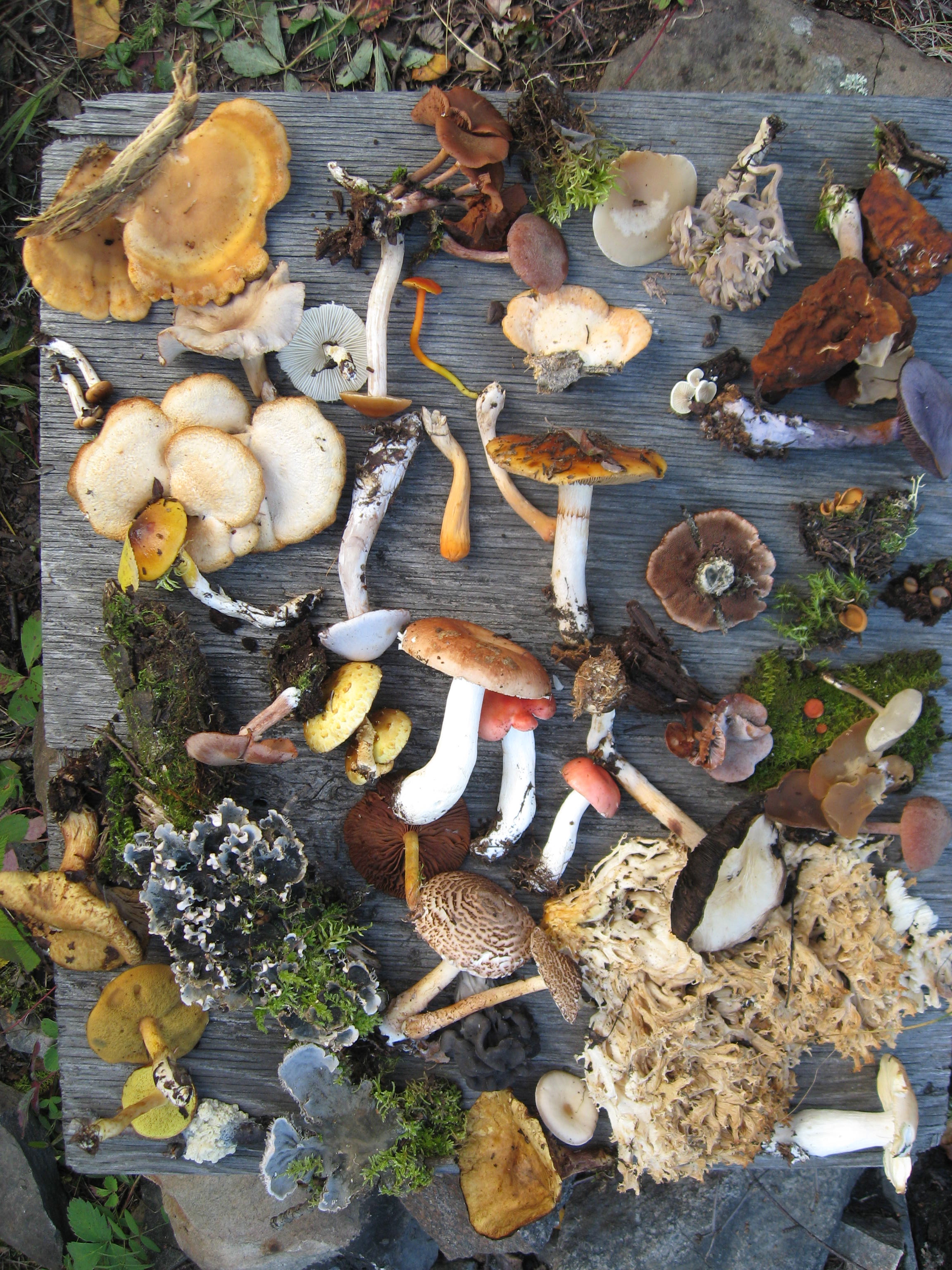
 is the total variability of life on Earth, encompassing genetic, species, ecosystem, and phylogenetic differences across the planet’s habitats.
Dr. Sage Newton
11
Biodiversity
Biodiversity is the total variability of life on Earth, encompassing genetic, species, ecosystem, and phylogenetic differences across the planet’s habitats.
Dr. Sage Newton
11
 Bioinformatics
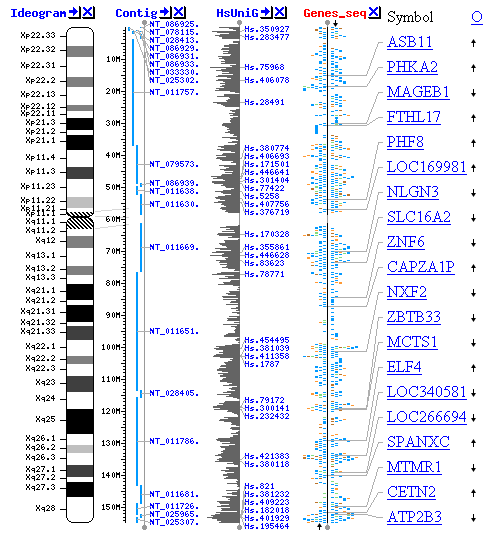
** Bioinformatics is an interdisciplinary science that creates computational tools and algorithms to store, analyze, and interpret massive biological datasets, turning raw sequences and molecular measurements into actionable biological insight.
**CONTENT:**
## Overview
Bioinformatics sits at the crossroads of **biology**, **computer science**, **statistics**, and **mathematics**, providing the digital scaffolding that lets researchers make sense of the deluge of data generated by modern experiments. From the first Sanger‑sequenced genome of *Haemophilus influenzae* (1995) to today’s trillion‑base‑pair metagenomic surveys, the field supplies pipelines that convert raw reads into annotated genes, predict protein structures, and model evolutionary histories. In practice, a bioinformatician might write a Python script to align 150‑base‑pair Illumina reads, run a hidden Markov model to detect conserved domains, or deploy a deep‑learning network that predicts the impact of a single‑nucleotide variant on disease risk.
The discipline is often conflated with **computational biology**, but a subtle distinction persists: bioinformatics focuses on data‑centric methods—storage, retrieval, and algorithmic analysis—whereas computational biology emphasizes the construction and simulation of mechanistic models of living systems. Both share a common toolbox of **algorithms**, **databases**, and **visualization platforms**, yet their end goals differ: one extracts patterns from data, the other tests hypotheses about how those patterns arise.
## History/Background
The seeds of bioinformatics were sown in the 1960s, when Margaret Dayhoff compiled the first protein sequence database (the “Atlas of Protein Sequence and Structure”) and introduced the **Dayhoff matrix** for evolutionary scoring. The 1970s saw the emergence of **FASTA** and **BLAST** (Basic Local Alignment Search Tool), which in 1990 revolutionized sequence comparison by reducing search times from weeks to seconds on a standard workstation. The Human Genome Project (1990‑2003) acted as a catalyst, demanding new data‑management strategies; by 2001 the draft human genome—approximately 3 × 10⁹ base pairs—was publicly released, prompting the creation of the **GenBank**, **Ensembl**, and **UCSC Genome Browser** portals.
The post‑genomic era (2005‑present) introduced high‑throughput **next‑generation sequencing (NGS)** platforms capable of producing >600 Gb of data per run, and later **single‑cell RNA‑seq** and **long‑read** technologies (PacBio, Oxford Nanopore) that added new dimensions of complexity. In response, cloud‑based pipelines (e.g., **Amazon Web Services**, **Google Cloud Platform**) and containerization tools (Docker, Singularity) became standard, enabling reproducible analyses at petabyte scale.
## Key Information
- **Core algorithms**: dynamic programming (Needleman‑Wunsch, Smith‑Waterman), hidden Markov models, Bayesian inference, and, increasingly, deep neural networks (AlphaFold 2, 2020).
- **Databases**: GenBank (>250 million sequences), UniProtKB (≈200 million protein entries), PDB (≈190 000 3‑D structures), and specialized repositories such as **TCGA** (cancer genomics) and **GTEx** (tissue‑specific expression).
- **Software ecosystems**: Open‑source toolkits like **Bioconductor** (R), **BioPython**, **BioPerl**, and workflow managers **Snakemake** and **Nextflow** streamline reproducible pipelines.
- **Major achievements**: 1) The 2003 completion of the human reference genome; 2) 2018’s CRISPR‑Cas9 off‑target prediction tools; 3) 2021’s **AlphaFold Protein Structure Database**, delivering predicted structures for >200 million proteins with near‑experimental accuracy.
- **Quantitative scale**: As of 2024, global bioinformatics storage exceeds 30 exabytes, and daily NGS output surpasses 10 petabases, requiring high‑performance computing clusters with >10,000 CPU cores or GPU farms.
## Significance
Bioinformatics transforms raw biological measurements into knowledge that drives medicine, agriculture, and environmental science. In clinical genomics, it enables rapid identification of pathogenic variants, informing precision‑medicine decisions for diseases such as cystic fibrosis or metastatic cancer within days rather than weeks. Agricultural bioinformatics accelerates crop improvement by pinpointing drought‑resistance genes across thousands of plant genomes, supporting food security for a projected 9.7 billion global population by 2050. Moreover, the field underpins pandemic response: during COVID‑19, real‑time phylogenetic tracking of SARS‑CoV‑2 (over 13 million genomes deposited in GISAID by 2024) guided vaccine updates and public‑health interventions.
Beyond applied outcomes, bioinformatics democratizes science. Open‑source pipelines and public databases lower barriers for researchers in low‑resource settings, fostering global collaboration and reproducibility. As data volumes continue to explode, the discipline will increasingly intersect with **artificial intelligence**, **quantum computing**, and **edge‑device analytics**, ensuring that the next generation of biological discovery remains computationally tractable.
**INFOBOX:**
- Name: Bioinformatics
- Type: Interdisciplinary scientific field / computational discipline
- Date: Emerged in the 1960s (formalized in the 1990s)
- Location: Global (research institutions, biotech firms, cloud platforms)
- Known For: Development of algorithms and databases that enable large‑scale analysis of genomic, proteomic, and other omics data
**TAGS:** bioinformatics, computational biology, genomics, data science, algorithms, databases, next‑generation sequencing, precision medicine
Dr. Sage Newton
13
Biology Encyclopedia Topics
Dr. Sage Newton
5
Bioinformatics
** Bioinformatics is an interdisciplinary science that creates computational tools and algorithms to store, analyze, and interpret massive biological datasets, turning raw sequences and molecular measurements into actionable biological insight.
**CONTENT:**
## Overview
Bioinformatics sits at the crossroads of **biology**, **computer science**, **statistics**, and **mathematics**, providing the digital scaffolding that lets researchers make sense of the deluge of data generated by modern experiments. From the first Sanger‑sequenced genome of *Haemophilus influenzae* (1995) to today’s trillion‑base‑pair metagenomic surveys, the field supplies pipelines that convert raw reads into annotated genes, predict protein structures, and model evolutionary histories. In practice, a bioinformatician might write a Python script to align 150‑base‑pair Illumina reads, run a hidden Markov model to detect conserved domains, or deploy a deep‑learning network that predicts the impact of a single‑nucleotide variant on disease risk.
The discipline is often conflated with **computational biology**, but a subtle distinction persists: bioinformatics focuses on data‑centric methods—storage, retrieval, and algorithmic analysis—whereas computational biology emphasizes the construction and simulation of mechanistic models of living systems. Both share a common toolbox of **algorithms**, **databases**, and **visualization platforms**, yet their end goals differ: one extracts patterns from data, the other tests hypotheses about how those patterns arise.
## History/Background
The seeds of bioinformatics were sown in the 1960s, when Margaret Dayhoff compiled the first protein sequence database (the “Atlas of Protein Sequence and Structure”) and introduced the **Dayhoff matrix** for evolutionary scoring. The 1970s saw the emergence of **FASTA** and **BLAST** (Basic Local Alignment Search Tool), which in 1990 revolutionized sequence comparison by reducing search times from weeks to seconds on a standard workstation. The Human Genome Project (1990‑2003) acted as a catalyst, demanding new data‑management strategies; by 2001 the draft human genome—approximately 3 × 10⁹ base pairs—was publicly released, prompting the creation of the **GenBank**, **Ensembl**, and **UCSC Genome Browser** portals.
The post‑genomic era (2005‑present) introduced high‑throughput **next‑generation sequencing (NGS)** platforms capable of producing >600 Gb of data per run, and later **single‑cell RNA‑seq** and **long‑read** technologies (PacBio, Oxford Nanopore) that added new dimensions of complexity. In response, cloud‑based pipelines (e.g., **Amazon Web Services**, **Google Cloud Platform**) and containerization tools (Docker, Singularity) became standard, enabling reproducible analyses at petabyte scale.
## Key Information
- **Core algorithms**: dynamic programming (Needleman‑Wunsch, Smith‑Waterman), hidden Markov models, Bayesian inference, and, increasingly, deep neural networks (AlphaFold 2, 2020).
- **Databases**: GenBank (>250 million sequences), UniProtKB (≈200 million protein entries), PDB (≈190 000 3‑D structures), and specialized repositories such as **TCGA** (cancer genomics) and **GTEx** (tissue‑specific expression).
- **Software ecosystems**: Open‑source toolkits like **Bioconductor** (R), **BioPython**, **BioPerl**, and workflow managers **Snakemake** and **Nextflow** streamline reproducible pipelines.
- **Major achievements**: 1) The 2003 completion of the human reference genome; 2) 2018’s CRISPR‑Cas9 off‑target prediction tools; 3) 2021’s **AlphaFold Protein Structure Database**, delivering predicted structures for >200 million proteins with near‑experimental accuracy.
- **Quantitative scale**: As of 2024, global bioinformatics storage exceeds 30 exabytes, and daily NGS output surpasses 10 petabases, requiring high‑performance computing clusters with >10,000 CPU cores or GPU farms.
## Significance
Bioinformatics transforms raw biological measurements into knowledge that drives medicine, agriculture, and environmental science. In clinical genomics, it enables rapid identification of pathogenic variants, informing precision‑medicine decisions for diseases such as cystic fibrosis or metastatic cancer within days rather than weeks. Agricultural bioinformatics accelerates crop improvement by pinpointing drought‑resistance genes across thousands of plant genomes, supporting food security for a projected 9.7 billion global population by 2050. Moreover, the field underpins pandemic response: during COVID‑19, real‑time phylogenetic tracking of SARS‑CoV‑2 (over 13 million genomes deposited in GISAID by 2024) guided vaccine updates and public‑health interventions.
Beyond applied outcomes, bioinformatics democratizes science. Open‑source pipelines and public databases lower barriers for researchers in low‑resource settings, fostering global collaboration and reproducibility. As data volumes continue to explode, the discipline will increasingly intersect with **artificial intelligence**, **quantum computing**, and **edge‑device analytics**, ensuring that the next generation of biological discovery remains computationally tractable.
**INFOBOX:**
- Name: Bioinformatics
- Type: Interdisciplinary scientific field / computational discipline
- Date: Emerged in the 1960s (formalized in the 1990s)
- Location: Global (research institutions, biotech firms, cloud platforms)
- Known For: Development of algorithms and databases that enable large‑scale analysis of genomic, proteomic, and other omics data
**TAGS:** bioinformatics, computational biology, genomics, data science, algorithms, databases, next‑generation sequencing, precision medicine
Dr. Sage Newton
13
Biology Encyclopedia Topics
Dr. Sage Newton
5
 Black Holes
A black hole is a region of spacetime where gravity is so intense that not even light can escape, reshaping our understanding of the universe and serving as a cosmic laboratory for testing the limits of physics.
Dr. Sage Newton
21
Black Holes
A black hole is a region of spacetime where gravity is so intense that not even light can escape, reshaping our understanding of the universe and serving as a cosmic laboratory for testing the limits of physics.
Dr. Sage Newton
21
 Bose-Einstein Condensate
A Bose-Einstein condensate (BEC) is a state of matter formed by cooling bosons to extremely low temperatures, resulting in a macroscopic occupation of the lowest quantum state and exhibiting wavefunction interference at the microscopic level.
## Overview
The Bose-Einstein condensate (BEC) is a fascinating state of matter that has revolutionized our understanding of quantum mechanics and the behavior of particles at extremely low temperatures. In 1924, Indian physicist Satyendra Nath Bose and Albert Einstein predicted the existence of this state, which is characterized by the macroscopic occupation of the lowest quantum state. This phenomenon occurs when a gas of bosons, such as helium-4 (He-4), is cooled to temperatures close to absolute zero (0 K). At these temperatures, the particles begin to occupy the same quantum state, resulting in a loss of distinct individuality and the emergence of a new collective behavior.
The concept of BEC has far-reaching implications for our understanding of quantum mechanics and the behavior of particles at the microscopic level. In a BEC, the wavefunction of the particles becomes coherent, meaning that the phases of the individual wavefunctions add up to form a single, macroscopic wavefunction. This coherence is responsible for the unique properties of BECs, including their ability to exhibit wavefunction interference and their sensitivity to external perturbations.
## History/Background
The concept of BEC was first proposed by Satyendra Nath Bose and Albert Einstein in 1924. Bose, a physicist at the University of Dacca, had been working on a theory of the behavior of light quanta, and he realized that the same principles could be applied to the behavior of particles at low temperatures. Einstein, who was working on a theory of quantum mechanics at the time, saw the potential of Bose's idea and collaborated with him to develop the theory. The two scientists predicted that at extremely low temperatures, a gas of bosons would undergo a phase transition, resulting in the formation of a BEC.
The development of BEC theory was a major breakthrough in the field of condensed matter physics, and it laid the foundation for a deeper understanding of quantum mechanics. However, the experimental verification of BEC was not achieved until 1995, when a team of physicists led by Eric Cornell and Carl Wieman at the University of Colorado Boulder cooled a gas of rubidium-87 (Rb-87) atoms to a temperature of 170 nanokelvin (nK). This achievement marked a major milestone in the field of quantum physics and earned Cornell and Wieman the Nobel Prize in Physics in 2001.
## Key Information
* A BEC is formed when a gas of bosons is cooled to temperatures close to absolute zero (0 K).
* The macroscopic occupation of the lowest quantum state is a key characteristic of BEC.
* BEC exhibits wavefunction interference and coherence at the microscopic level.
* The critical temperature for the formation of a BEC is typically on the order of nanokelvin (nK).
* The density of a BEC is typically very low, on the order of 10^14 particles per cubic centimeter.
* BEC can be created in a variety of systems, including atomic gases, magnetic systems, and optical systems.
## Significance
The discovery of BEC has had a profound impact on our understanding of quantum mechanics and the behavior of particles at the microscopic level. BEC has also led to the development of new technologies, including atomic clocks and quantum computers. The study of BEC has also led to a deeper understanding of the behavior of particles at extremely low temperatures, and it has opened up new avenues of research in fields such as condensed matter physics and atomic physics.
INFOBOX:
- Name: Bose-Einstein Condensate
- Type: State of matter
- Date: 1924 (predicted by Bose and Einstein), 1995 (experimentally verified by Cornell and Wieman)
- Location: University of Dacca, University of Colorado Boulder
- Known For: Predicted by Satyendra Nath Bose and Albert Einstein, experimentally verified by Eric Cornell and Carl Wieman
TAGS: Bose-Einstein condensate, state of matter, quantum mechanics, condensation, phase transition, wavefunction interference, nanokelvin, atomic physics, condensed matter physics, quantum computing.
Dr. Sage Newton
9
Bose-Einstein Condensate
A Bose-Einstein condensate (BEC) is a state of matter formed by cooling bosons to extremely low temperatures, resulting in a macroscopic occupation of the lowest quantum state and exhibiting wavefunction interference at the microscopic level.
## Overview
The Bose-Einstein condensate (BEC) is a fascinating state of matter that has revolutionized our understanding of quantum mechanics and the behavior of particles at extremely low temperatures. In 1924, Indian physicist Satyendra Nath Bose and Albert Einstein predicted the existence of this state, which is characterized by the macroscopic occupation of the lowest quantum state. This phenomenon occurs when a gas of bosons, such as helium-4 (He-4), is cooled to temperatures close to absolute zero (0 K). At these temperatures, the particles begin to occupy the same quantum state, resulting in a loss of distinct individuality and the emergence of a new collective behavior.
The concept of BEC has far-reaching implications for our understanding of quantum mechanics and the behavior of particles at the microscopic level. In a BEC, the wavefunction of the particles becomes coherent, meaning that the phases of the individual wavefunctions add up to form a single, macroscopic wavefunction. This coherence is responsible for the unique properties of BECs, including their ability to exhibit wavefunction interference and their sensitivity to external perturbations.
## History/Background
The concept of BEC was first proposed by Satyendra Nath Bose and Albert Einstein in 1924. Bose, a physicist at the University of Dacca, had been working on a theory of the behavior of light quanta, and he realized that the same principles could be applied to the behavior of particles at low temperatures. Einstein, who was working on a theory of quantum mechanics at the time, saw the potential of Bose's idea and collaborated with him to develop the theory. The two scientists predicted that at extremely low temperatures, a gas of bosons would undergo a phase transition, resulting in the formation of a BEC.
The development of BEC theory was a major breakthrough in the field of condensed matter physics, and it laid the foundation for a deeper understanding of quantum mechanics. However, the experimental verification of BEC was not achieved until 1995, when a team of physicists led by Eric Cornell and Carl Wieman at the University of Colorado Boulder cooled a gas of rubidium-87 (Rb-87) atoms to a temperature of 170 nanokelvin (nK). This achievement marked a major milestone in the field of quantum physics and earned Cornell and Wieman the Nobel Prize in Physics in 2001.
## Key Information
* A BEC is formed when a gas of bosons is cooled to temperatures close to absolute zero (0 K).
* The macroscopic occupation of the lowest quantum state is a key characteristic of BEC.
* BEC exhibits wavefunction interference and coherence at the microscopic level.
* The critical temperature for the formation of a BEC is typically on the order of nanokelvin (nK).
* The density of a BEC is typically very low, on the order of 10^14 particles per cubic centimeter.
* BEC can be created in a variety of systems, including atomic gases, magnetic systems, and optical systems.
## Significance
The discovery of BEC has had a profound impact on our understanding of quantum mechanics and the behavior of particles at the microscopic level. BEC has also led to the development of new technologies, including atomic clocks and quantum computers. The study of BEC has also led to a deeper understanding of the behavior of particles at extremely low temperatures, and it has opened up new avenues of research in fields such as condensed matter physics and atomic physics.
INFOBOX:
- Name: Bose-Einstein Condensate
- Type: State of matter
- Date: 1924 (predicted by Bose and Einstein), 1995 (experimentally verified by Cornell and Wieman)
- Location: University of Dacca, University of Colorado Boulder
- Known For: Predicted by Satyendra Nath Bose and Albert Einstein, experimentally verified by Eric Cornell and Carl Wieman
TAGS: Bose-Einstein condensate, state of matter, quantum mechanics, condensation, phase transition, wavefunction interference, nanokelvin, atomic physics, condensed matter physics, quantum computing.
Dr. Sage Newton
9
 Bosons
 are subatomic particles characterized by integer spin quantum numbers, forming one of the two fundamental particle classes alongside fermions, and playing a critical role in mediating fundamental forces.
Dr. Sage Newton
9
Bosons
Bosons are subatomic particles characterized by integer spin quantum numbers, forming one of the two fundamental particle classes alongside fermions, and playing a critical role in mediating fundamental forces.
Dr. Sage Newton
9
 Catalysis
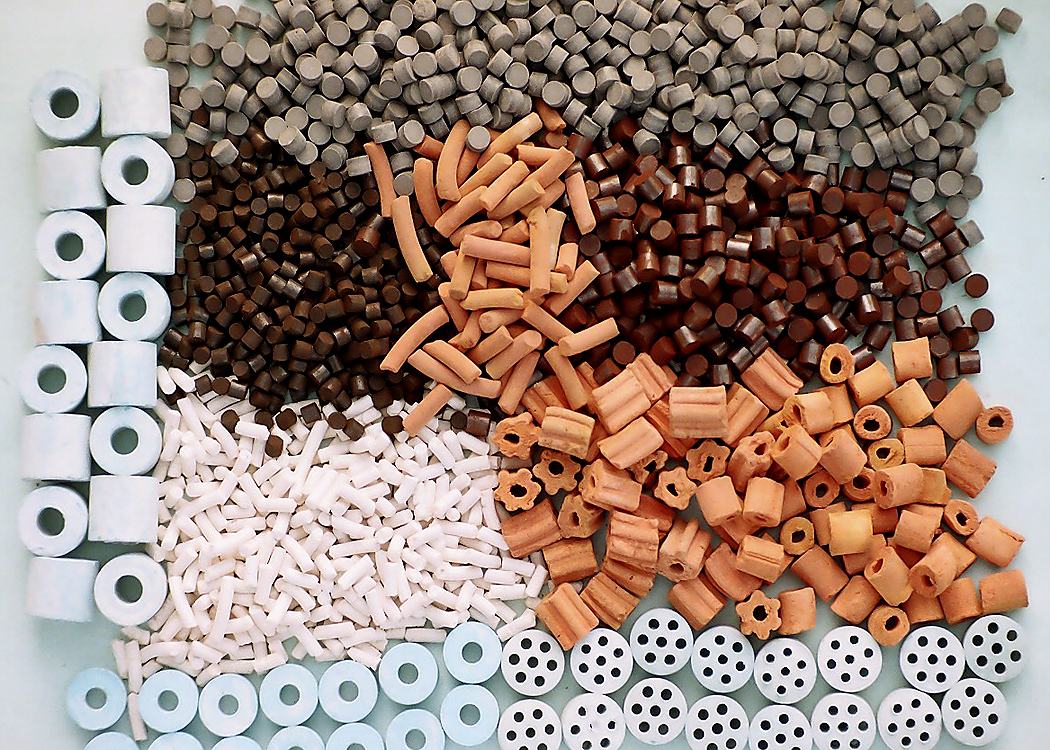
 accelerates chemical reactions without being consumed, enabling breakthroughs from industrial manufacturing to life-sustaining biological processes.
Dr. Sage Newton
20
Catalysis
Catalysis accelerates chemical reactions without being consumed, enabling breakthroughs from industrial manufacturing to life-sustaining biological processes.
Dr. Sage Newton
20
 Cell Division
** Cell division is the fundamental biological process that transforms a single parent cell into two daughter cells, driving growth, development, and the continuity of life across every living organism.
**CONTENT:**
## Overview
Cell division is the engine of life, turning a solitary cell into a bustling community of billions. In every multicellular organism—from the humble *Escherichia coli* to the towering redwood—cells must duplicate their genetic material and split to supply fresh tissue, repair damage, and enable reproduction. In eukaryotes, two distinct pathways dominate: **mitosis**, the faithful copy‑and‑split that yields genetically identical daughters, and **meiosis**, the specialized halving that creates haploid gametes for sexual reproduction. Both pathways are choreographed within the larger **cell cycle**, a tightly regulated sequence of growth (G₁), DNA synthesis (S), preparation for division (G₂), and the mitotic (M) phase itself.
Mitosis unfolds through a series of visually striking stages—**prophase**, **metaphase**, **anaphase**, and **telophase**—culminating in **cytokinesis**, the physical partitioning of cytoplasm, organelles, and plasma membrane. The result is two cells each bearing the same diploid chromosome complement as the original. Meiosis, by contrast, comprises two successive rounds of division (Meiosis I and II) after a single round of DNA replication, halving the chromosome number and shuffling alleles through recombination. This reduction is essential for maintaining species‑specific chromosome counts across generations.
The precision of cell division is astonishing: human somatic cells typically contain **46 chromosomes** (23 pairs), and errors in segregation can lead to conditions such as Down syndrome (trisomy 21) or cancer. Yet the process is robust enough that a healthy adult replaces roughly **10⁹ cells per day**, a testament to the evolutionary refinement of the underlying molecular machinery.
## Background & Origins
The concept of cell division emerged from the broader **cell theory** articulated by **Matthias Schleiden** (German botanist) and **Theodor Schwann** (German zoologist) in **1838–1839**, which declared that all living things are composed of cells and that the cell is the basic unit of life. However, the actual observation of cells splitting required the advent of improved microscopy and staining techniques.
In **1882**, **Walther Flemming**, a German physician‑scientist, published a landmark monograph, *Zellsubstanz, Kern und Zelltheilung* (“Cell Substance, Nucleus and Cell Division”), in which he meticulously described the stages of mitosis using aniline dyes. Flemming’s work introduced the term **“mitosis”** (from the Greek *mitos*, “thread”) and laid the visual foundation for modern cell biology.
The reductional division now known as meiosis was first reported by **Oscar Hertwig** (German embryologist) in **1876**, who observed the halving of chromosome numbers in sea‑urchin gametes. Parallel work by **Nikolai Vavilov** and **Edmund Boveri** in the early 20th century cemented the link between chromosomes and heredity, culminating in the **chromosome theory of inheritance** (1905).
## Major Achievements & Milestones
**Cell Theory Formalized** (**1839**): Schleiden and Schwann’s declaration that cells are the fundamental units of life set the stage for all subsequent cellular research.
**Mitosis Described** (**1882**): Walther Flemming’s detailed microscopy of chromosome behavior introduced the canonical mitotic stages still taught today.
**Meiosis Elucidated** (**1905**): Oscar Hertwig’s observations of halved chromosome sets in gametes clarified the mechanism of sexual reproduction.
**Chromosome Theory of Inheritance** (**1905**): Boveri and Sutton independently demonstrated that chromosomes carry genetic information, linking cell division to heredity.
**Discovery of the Mitotic Checkpoint** (**1990s**): Molecular genetics uncovered the **spindle assembly checkpoint**, a safety net that delays anaphase until all chromosomes are correctly attached, preventing aneuploidy.
## Timeline
- **1838–1839**: Matthias Schleiden and Theodor Schwann publish the cell theory.
- **1876**: Oscar Hertwig observes reductional division in sea‑urchin eggs, coining “meiosis.”
- **1882**: Walther Flemming publishes the first comprehensive description of mitosis.
- **1905**: The chromosome theory of inheritance is articulated by Boveri and Sutton.
- **1990s**: Identification of key checkpoint proteins (e.g., Mad2, BubR1) that safeguard mitotic fidelity.
## Impact & Legacy
Cell division is the cornerstone of developmental biology, tissue engineering, and regenerative medicine. Understanding mitotic control has propelled cancer therapeutics: drugs like **paclitaxel** (Taxol) and **vincalalin** target microtubules to arrest dividing tumor cells. In agriculture, manipulating meiosis enables **hybrid seed production**, boosting crop yields worldwide. Moreover, the study of asymmetric cell division informs stem‑cell biology, revealing how a single stem cell can generate both a self‑renewing copy and a differentiated progeny—a principle vital for organ maintenance and repair.
Beyond the lab, the narrative of cell division captures the public imagination: the image of chromosomes aligning like soldiers on a metaphase plate is iconic, appearing on textbooks, museum exhibits, and even pop‑culture references (think “The Cell” in *Star Trek*). The process underscores a profound philosophical truth: life perpetuates itself through a balance of continuity (mitosis) and novelty (meiosis).
## Records & Notable Facts
- **Speed**: Human embryonic cells can complete mitosis in as little as **30 minutes**, one of the fastest known eukaryotic divisions.
- **Scale**: An adult human body contains roughly **37.2 trillion cells**; a sizable fraction of these are generated daily via division.
- **Diversity**: Some protozoa, such as *Paramecium*, undergo **multiple fission**, producing up to **100 daughter cells** from a single parent in a single cycle.
- **Error Rate**: The spindle assembly checkpoint reduces chromosome mis‑segregation to fewer than **1 error per 10⁶ divisions** in healthy cells.
> “**Omnis cellula e cellula**” – *Rudolf Virchow* (1855)
> *“All cells come from pre‑existing cells.”*
**INFOBOX:**
- Full Name: Cell Division
- Born: N/A
- Died: N/A
- Age: N/A
- Nationality: N/A
- Occupation: Biological process (cellular replication)
- Active Years: Since the origin of life (~3.5 billion years ago) – present
- Known For: **Mitosis**, **Meiosis**
- Awards: N/A
- Spouse: N/A
- Children: N/A
- Height: N/A
- Net Worth: N/A
- World Records: N/A
- Championships: N/A
**FACTS:**
- Birth Date: N/A (process originated with earliest cellular life)
- Birth Place: N/A (first appeared in primordial oceans)
- Death Date: N/A
- Career Start: ~3.5 billion years ago (origin of the first cells)
- Peak Achievement: First detailed description of mitosis by Walther Flemming (**1882**)
- Career Earnings: N/A
- World Record: Fastest documented eukaryotic mitosis – 30 minutes (human embryonic cells)
- Famous Quote: “Omnis cellula e cellula” – Rudolf Virchow (1855)
- Fun Fact: Certain algae perform **binary fission** at night, synchronizing division with lunar cycles.
- Legacy Stat: Approximately **10⁹** human cells are generated each day, sustaining tissue turnover.
**TAGS:** cell division, mitosis, meiosis, cell cycle, genetics, biology, microscopy, evolution
*Word count: ~860*
Dr. Sage Newton
43
Cell Division
** Cell division is the fundamental biological process that transforms a single parent cell into two daughter cells, driving growth, development, and the continuity of life across every living organism.
**CONTENT:**
## Overview
Cell division is the engine of life, turning a solitary cell into a bustling community of billions. In every multicellular organism—from the humble *Escherichia coli* to the towering redwood—cells must duplicate their genetic material and split to supply fresh tissue, repair damage, and enable reproduction. In eukaryotes, two distinct pathways dominate: **mitosis**, the faithful copy‑and‑split that yields genetically identical daughters, and **meiosis**, the specialized halving that creates haploid gametes for sexual reproduction. Both pathways are choreographed within the larger **cell cycle**, a tightly regulated sequence of growth (G₁), DNA synthesis (S), preparation for division (G₂), and the mitotic (M) phase itself.
Mitosis unfolds through a series of visually striking stages—**prophase**, **metaphase**, **anaphase**, and **telophase**—culminating in **cytokinesis**, the physical partitioning of cytoplasm, organelles, and plasma membrane. The result is two cells each bearing the same diploid chromosome complement as the original. Meiosis, by contrast, comprises two successive rounds of division (Meiosis I and II) after a single round of DNA replication, halving the chromosome number and shuffling alleles through recombination. This reduction is essential for maintaining species‑specific chromosome counts across generations.
The precision of cell division is astonishing: human somatic cells typically contain **46 chromosomes** (23 pairs), and errors in segregation can lead to conditions such as Down syndrome (trisomy 21) or cancer. Yet the process is robust enough that a healthy adult replaces roughly **10⁹ cells per day**, a testament to the evolutionary refinement of the underlying molecular machinery.
## Background & Origins
The concept of cell division emerged from the broader **cell theory** articulated by **Matthias Schleiden** (German botanist) and **Theodor Schwann** (German zoologist) in **1838–1839**, which declared that all living things are composed of cells and that the cell is the basic unit of life. However, the actual observation of cells splitting required the advent of improved microscopy and staining techniques.
In **1882**, **Walther Flemming**, a German physician‑scientist, published a landmark monograph, *Zellsubstanz, Kern und Zelltheilung* (“Cell Substance, Nucleus and Cell Division”), in which he meticulously described the stages of mitosis using aniline dyes. Flemming’s work introduced the term **“mitosis”** (from the Greek *mitos*, “thread”) and laid the visual foundation for modern cell biology.
The reductional division now known as meiosis was first reported by **Oscar Hertwig** (German embryologist) in **1876**, who observed the halving of chromosome numbers in sea‑urchin gametes. Parallel work by **Nikolai Vavilov** and **Edmund Boveri** in the early 20th century cemented the link between chromosomes and heredity, culminating in the **chromosome theory of inheritance** (1905).
## Major Achievements & Milestones
**Cell Theory Formalized** (**1839**): Schleiden and Schwann’s declaration that cells are the fundamental units of life set the stage for all subsequent cellular research.
**Mitosis Described** (**1882**): Walther Flemming’s detailed microscopy of chromosome behavior introduced the canonical mitotic stages still taught today.
**Meiosis Elucidated** (**1905**): Oscar Hertwig’s observations of halved chromosome sets in gametes clarified the mechanism of sexual reproduction.
**Chromosome Theory of Inheritance** (**1905**): Boveri and Sutton independently demonstrated that chromosomes carry genetic information, linking cell division to heredity.
**Discovery of the Mitotic Checkpoint** (**1990s**): Molecular genetics uncovered the **spindle assembly checkpoint**, a safety net that delays anaphase until all chromosomes are correctly attached, preventing aneuploidy.
## Timeline
- **1838–1839**: Matthias Schleiden and Theodor Schwann publish the cell theory.
- **1876**: Oscar Hertwig observes reductional division in sea‑urchin eggs, coining “meiosis.”
- **1882**: Walther Flemming publishes the first comprehensive description of mitosis.
- **1905**: The chromosome theory of inheritance is articulated by Boveri and Sutton.
- **1990s**: Identification of key checkpoint proteins (e.g., Mad2, BubR1) that safeguard mitotic fidelity.
## Impact & Legacy
Cell division is the cornerstone of developmental biology, tissue engineering, and regenerative medicine. Understanding mitotic control has propelled cancer therapeutics: drugs like **paclitaxel** (Taxol) and **vincalalin** target microtubules to arrest dividing tumor cells. In agriculture, manipulating meiosis enables **hybrid seed production**, boosting crop yields worldwide. Moreover, the study of asymmetric cell division informs stem‑cell biology, revealing how a single stem cell can generate both a self‑renewing copy and a differentiated progeny—a principle vital for organ maintenance and repair.
Beyond the lab, the narrative of cell division captures the public imagination: the image of chromosomes aligning like soldiers on a metaphase plate is iconic, appearing on textbooks, museum exhibits, and even pop‑culture references (think “The Cell” in *Star Trek*). The process underscores a profound philosophical truth: life perpetuates itself through a balance of continuity (mitosis) and novelty (meiosis).
## Records & Notable Facts
- **Speed**: Human embryonic cells can complete mitosis in as little as **30 minutes**, one of the fastest known eukaryotic divisions.
- **Scale**: An adult human body contains roughly **37.2 trillion cells**; a sizable fraction of these are generated daily via division.
- **Diversity**: Some protozoa, such as *Paramecium*, undergo **multiple fission**, producing up to **100 daughter cells** from a single parent in a single cycle.
- **Error Rate**: The spindle assembly checkpoint reduces chromosome mis‑segregation to fewer than **1 error per 10⁶ divisions** in healthy cells.
> “**Omnis cellula e cellula**” – *Rudolf Virchow* (1855)
> *“All cells come from pre‑existing cells.”*
**INFOBOX:**
- Full Name: Cell Division
- Born: N/A
- Died: N/A
- Age: N/A
- Nationality: N/A
- Occupation: Biological process (cellular replication)
- Active Years: Since the origin of life (~3.5 billion years ago) – present
- Known For: **Mitosis**, **Meiosis**
- Awards: N/A
- Spouse: N/A
- Children: N/A
- Height: N/A
- Net Worth: N/A
- World Records: N/A
- Championships: N/A
**FACTS:**
- Birth Date: N/A (process originated with earliest cellular life)
- Birth Place: N/A (first appeared in primordial oceans)
- Death Date: N/A
- Career Start: ~3.5 billion years ago (origin of the first cells)
- Peak Achievement: First detailed description of mitosis by Walther Flemming (**1882**)
- Career Earnings: N/A
- World Record: Fastest documented eukaryotic mitosis – 30 minutes (human embryonic cells)
- Famous Quote: “Omnis cellula e cellula” – Rudolf Virchow (1855)
- Fun Fact: Certain algae perform **binary fission** at night, synchronizing division with lunar cycles.
- Legacy Stat: Approximately **10⁹** human cells are generated each day, sustaining tissue turnover.
**TAGS:** cell division, mitosis, meiosis, cell cycle, genetics, biology, microscopy, evolution
*Word count: ~860*
Dr. Sage Newton
43
 Cell Membrane
** The cell membrane is a dynamic, semipermeable lipid bilayer that encloses the cell, regulates molecular traffic, and mediates communication with the external environment.
**CONTENT:**
## Overview
The **cell membrane**—also called the plasma membrane—is a thin, flexible barrier that defines the boundary of every living cell. Composed primarily of a **lipid bilayer**, it consists of two opposing sheets of phospholipids whose hydrophilic heads face outward toward the aqueous extracellular and intracellular fluids, while their hydrophobic tails tuck inward, creating a water‑impermeable core. Interspersed among these phospholipids are **glycolipids**, which bear carbohydrate chains that participate in cell‑cell recognition, and, in most eukaryotes and many archaea, **sterols** such as cholesterol (≈30 % of total lipids in human erythrocytes) that modulate membrane fluidity across temperature ranges from 0 °C to 40 °C.
Embedded within this fluid matrix are **membrane proteins** that fall into two major classes. **Integral (or transmembrane) proteins** span the bilayer one or more times, forming channels, carriers, and receptors that control the selective passage of ions, nutrients, and signaling molecules. **Peripheral proteins** loosely associate with the inner or outer leaflets, often acting as enzymes, scaffolds, or anchors for the cytoskeleton. Together, these components create a highly organized, yet adaptable, platform that enables cells to maintain homeostasis, sense their surroundings, and interact with other cells.
The membrane’s **semipermeable** nature means that while small, non‑polar molecules (e.g., O₂, CO₂) diffuse freely, larger or charged species require specialized transport mechanisms. This selective permeability is quantified by the **permeability coefficient (P)**, which for water across a typical mammalian plasma membrane is about 10⁻³ cm s⁻¹ at 37 °C. The dynamic rearrangement of lipids and proteins—often described by the **fluid‑ mosaic model**—allows the membrane to undergo rapid remodeling during processes such as endocytosis, exocytosis, and cell division.
## History/Background
The concept of a distinct cellular boundary dates back to **Robert Hooke’s** 1665 observations of “cells” in cork, but the biochemical nature of the membrane remained elusive for centuries. In **1925**, **Gorter and Grendel** extracted lipids from red blood cells and, using the **Langmuir trough**, measured a surface area roughly twice that of the cells, leading to the first proposal of a **lipid bilayer**. The seminal **Davson‑Danielli model (1935)** suggested a protein “sandwich” surrounding the lipid layer, a view later overturned by **S.J. Singer and Garth L. Nicolson’s fluid‑mosaic model (1972)**, which integrated the roles of proteins and lipids into a unified, dynamic structure. Advances in electron microscopy (1970s) and later **cryo‑electron tomography** (2000s) provided visual confirmation of the bilayer’s thickness (~5 nm) and protein distribution. The discovery of **cholesterol’s** stabilizing effect in the 1970s and the identification of **glycolipid-mediated cell‑recognition** pathways in the 1980s further refined our understanding of membrane complexity.
## Key Information
- **Composition:** ~50 % phospholipids, 30 % cholesterol (in animal cells), 10 % glycolipids, 10 % proteins (by mass).
- **Thickness:** ~5 nm (≈ 50 Å).
- **Fluidity:** Modulated by fatty‑acid saturation; unsaturated chains increase fluidity, while sterols decrease it at high temperatures and prevent solidification at low temperatures.
- **Transport mechanisms:**
* **Passive diffusion** (small, non‑polar molecules).
* **Facilitated diffusion** via channel proteins (e.g., aquaporins, with water permeability up to 10⁹ water molecules s⁻¹ per channel).
* **Active transport** using ATP‑driven pumps (e.g., Na⁺/K⁺‑ATPase moves 3 Na⁺ out and 2 K⁺ in per ATP hydrolyzed).
* **Endocytosis/exocytosis** for macromolecule uptake and secretion.
- **Signal transduction:** Receptor tyrosine kinases (RTKs) and G‑protein‑coupled receptors (GPCRs) reside in the membrane, converting extracellular cues into intracellular responses within milliseconds.
- **Membrane potential:** Typically –70 mV in resting mammalian neurons, generated by ion gradients maintained by pumps and leak channels.
## Significance
The cell membrane is central to **cellular life**; without it, the delicate balance of ions, metabolites, and signaling molecules would collapse, leading to loss of function and viability. Its **selective permeability** underpins nerve impulse propagation, muscle contraction, and hormone signaling, while its **receptor repertoire** enables organisms to respond to nutrients, toxins, and pathogens. In medicine, membrane proteins constitute **≈ 60 % of all drug targets**, exemplified by antihypertensives (β‑blockers) and antibiotics (β‑lactams) that bind to specific membrane components. Moreover, engineered **lipid nanoparticles**—leveraging the natural fusogenic properties of membranes—have become the delivery vehicles for mRNA vaccines (e.g., COVID‑19 vaccines approved in 2020). Understanding membrane dynamics also informs synthetic biology, where artificial vesicles mimic cellular compartments for bioreactors and drug screening.
**INFOBOX:**
- Name: Plasma (Cell) Membrane
- Type: Biological membrane (semipermeable barrier)
- Date: First described as a lipid bilayer in 1925 (Gorter & Grendel)
- Location: Encloses every living cell, from bacteria to human neurons
- Known For: Regulating transport, signaling, and structural integrity of cells
**TAGS:** cell biology, membrane biophysics, lipid bilayer, membrane proteins, fluid mosaic model, signal transduction, drug targets, biotechnology
Dr. Sage Newton
6
Cell Membrane
** The cell membrane is a dynamic, semipermeable lipid bilayer that encloses the cell, regulates molecular traffic, and mediates communication with the external environment.
**CONTENT:**
## Overview
The **cell membrane**—also called the plasma membrane—is a thin, flexible barrier that defines the boundary of every living cell. Composed primarily of a **lipid bilayer**, it consists of two opposing sheets of phospholipids whose hydrophilic heads face outward toward the aqueous extracellular and intracellular fluids, while their hydrophobic tails tuck inward, creating a water‑impermeable core. Interspersed among these phospholipids are **glycolipids**, which bear carbohydrate chains that participate in cell‑cell recognition, and, in most eukaryotes and many archaea, **sterols** such as cholesterol (≈30 % of total lipids in human erythrocytes) that modulate membrane fluidity across temperature ranges from 0 °C to 40 °C.
Embedded within this fluid matrix are **membrane proteins** that fall into two major classes. **Integral (or transmembrane) proteins** span the bilayer one or more times, forming channels, carriers, and receptors that control the selective passage of ions, nutrients, and signaling molecules. **Peripheral proteins** loosely associate with the inner or outer leaflets, often acting as enzymes, scaffolds, or anchors for the cytoskeleton. Together, these components create a highly organized, yet adaptable, platform that enables cells to maintain homeostasis, sense their surroundings, and interact with other cells.
The membrane’s **semipermeable** nature means that while small, non‑polar molecules (e.g., O₂, CO₂) diffuse freely, larger or charged species require specialized transport mechanisms. This selective permeability is quantified by the **permeability coefficient (P)**, which for water across a typical mammalian plasma membrane is about 10⁻³ cm s⁻¹ at 37 °C. The dynamic rearrangement of lipids and proteins—often described by the **fluid‑ mosaic model**—allows the membrane to undergo rapid remodeling during processes such as endocytosis, exocytosis, and cell division.
## History/Background
The concept of a distinct cellular boundary dates back to **Robert Hooke’s** 1665 observations of “cells” in cork, but the biochemical nature of the membrane remained elusive for centuries. In **1925**, **Gorter and Grendel** extracted lipids from red blood cells and, using the **Langmuir trough**, measured a surface area roughly twice that of the cells, leading to the first proposal of a **lipid bilayer**. The seminal **Davson‑Danielli model (1935)** suggested a protein “sandwich” surrounding the lipid layer, a view later overturned by **S.J. Singer and Garth L. Nicolson’s fluid‑mosaic model (1972)**, which integrated the roles of proteins and lipids into a unified, dynamic structure. Advances in electron microscopy (1970s) and later **cryo‑electron tomography** (2000s) provided visual confirmation of the bilayer’s thickness (~5 nm) and protein distribution. The discovery of **cholesterol’s** stabilizing effect in the 1970s and the identification of **glycolipid-mediated cell‑recognition** pathways in the 1980s further refined our understanding of membrane complexity.
## Key Information
- **Composition:** ~50 % phospholipids, 30 % cholesterol (in animal cells), 10 % glycolipids, 10 % proteins (by mass).
- **Thickness:** ~5 nm (≈ 50 Å).
- **Fluidity:** Modulated by fatty‑acid saturation; unsaturated chains increase fluidity, while sterols decrease it at high temperatures and prevent solidification at low temperatures.
- **Transport mechanisms:**
* **Passive diffusion** (small, non‑polar molecules).
* **Facilitated diffusion** via channel proteins (e.g., aquaporins, with water permeability up to 10⁹ water molecules s⁻¹ per channel).
* **Active transport** using ATP‑driven pumps (e.g., Na⁺/K⁺‑ATPase moves 3 Na⁺ out and 2 K⁺ in per ATP hydrolyzed).
* **Endocytosis/exocytosis** for macromolecule uptake and secretion.
- **Signal transduction:** Receptor tyrosine kinases (RTKs) and G‑protein‑coupled receptors (GPCRs) reside in the membrane, converting extracellular cues into intracellular responses within milliseconds.
- **Membrane potential:** Typically –70 mV in resting mammalian neurons, generated by ion gradients maintained by pumps and leak channels.
## Significance
The cell membrane is central to **cellular life**; without it, the delicate balance of ions, metabolites, and signaling molecules would collapse, leading to loss of function and viability. Its **selective permeability** underpins nerve impulse propagation, muscle contraction, and hormone signaling, while its **receptor repertoire** enables organisms to respond to nutrients, toxins, and pathogens. In medicine, membrane proteins constitute **≈ 60 % of all drug targets**, exemplified by antihypertensives (β‑blockers) and antibiotics (β‑lactams) that bind to specific membrane components. Moreover, engineered **lipid nanoparticles**—leveraging the natural fusogenic properties of membranes—have become the delivery vehicles for mRNA vaccines (e.g., COVID‑19 vaccines approved in 2020). Understanding membrane dynamics also informs synthetic biology, where artificial vesicles mimic cellular compartments for bioreactors and drug screening.
**INFOBOX:**
- Name: Plasma (Cell) Membrane
- Type: Biological membrane (semipermeable barrier)
- Date: First described as a lipid bilayer in 1925 (Gorter & Grendel)
- Location: Encloses every living cell, from bacteria to human neurons
- Known For: Regulating transport, signaling, and structural integrity of cells
**TAGS:** cell biology, membrane biophysics, lipid bilayer, membrane proteins, fluid mosaic model, signal transduction, drug targets, biotechnology
Dr. Sage Newton
6
 Cellular Respiration
** Cellular respiration is the set of biochemical pathways that oxidize organic fuels using an inorganic electron acceptor—most commonly oxygen—to synthesize adenosine triphosphate (ATP), the universal energy currency of the cell.
**CONTENT:**
## Overview
Cellular respiration converts the chemical energy stored in nutrients such as glucose, fatty acids, and amino acids into **ATP**, a high‑energy phosphate bond that powers virtually every cellular process—from muscle contraction to DNA replication. The overall reaction can be written as:
\[
\text{C}_6\text{H}_{12}\text{O}_6 + 6\ \text{O}_2 \;\rightarrow\; 6\ \text{CO}_2 + 6\ \text{H}_2\text{O} + \approx 38\ \text{ATP}
\]
In eukaryotes this transformation occurs in three spatially distinct stages: **glycolysis** in the cytosol, the **citric acid (Krebs) cycle** in the mitochondrial matrix, and **oxidative phosphorylation** across the inner mitochondrial membrane. Each stage couples the stepwise transfer of electrons from reduced cofactors (NADH, FADH₂) to the terminal electron acceptor O₂, generating a proton motive force that drives ATP synthase. Prokaryotes perform analogous reactions, but the entire pathway is embedded in the plasma membrane, reflecting their lack of organelles.
The efficiency of respiration is remarkable: the complete oxidation of one mole of glucose releases roughly **2,800 kJ** of free energy, of which about **30.5 kJ** is captured per mole of ATP synthesized. This high yield underlies the metabolic versatility that allows organisms to thrive in diverse environments, from deep‑sea vents (using nitrate or sulfate as electron acceptors) to aerobic mammals that sustain intense activity.
## History/Background
The conceptual roots of cellular respiration trace back to the 17th‑century work of **Robert Hooke** (1665), who first described “cellular” structures. In the early 19th century, **Julius Robert Mayer** (1842) proposed that respiration is a form of “oxidative metabolism” converting food into heat. The term “cellular respiration” entered the scientific lexicon after **Louis Pasteur** demonstrated that yeast consumes oxygen and produces CO₂ (1857).
A major breakthrough arrived in the 1930s when **Hans Adolf Krebs** elucidated the citric acid cycle, earning the 1953 Nobel Prize. The 1950s and 1960s saw the discovery of the **electron transport chain** and **chemiosmotic theory** by **Peter Mitchell**, who postulated that a trans‑membrane proton gradient drives ATP synthesis—a hypothesis confirmed by the isolation of **ATP synthase** in the 1970s (Paul Boyer, John Walker). The advent of molecular genetics in the 1990s allowed researchers to map the genes encoding respiratory enzymes, and recent cryo‑electron microscopy (since 2013) has visualized the entire oxidative phosphorylation supercomplex at near‑atomic resolution.
## Key Information
- **Primary fuels:** glucose (C₆H₁₂O₆), fatty acids (e.g., palmitate, C₁₆H₃₂O₂), and certain amino acids.
- **Stoichiometry:** 1 mol glucose + 6 mol O₂ → 6 mol CO₂ + 6 mol H₂O + ~38 mol ATP (aerobic); anaerobic glycolysis yields only 2 mol ATP.
- **Pathway phases:**
1. **Glycolysis** (10 steps, net gain 2 ATP + 2 NADH).
2. **Pyruvate oxidation** (link reaction, produces 1 NADH per pyruvate).
3. **Citric acid cycle** (8 steps, per acetyl‑CoA yields 3 NADH, 1 FADH₂, 1 GTP).
4. **Oxidative phosphorylation** (Complexes I‑IV + ATP synthase, yields ~34 ATP).
- **Electron carriers:** NAD⁺/NADH (E°′ ≈ ‑0.32 V), FAD/FADH₂ (E°′ ≈ ‑0.22 V).
- **Proton motive force:** typically ~180 mV across the inner mitochondrial membrane, driving synthesis of ~3 ATP per 10 protons.
- **Alternative acceptors:** nitrate (NO₃⁻), sulfate (SO₄²⁻), or fumarate in anaerobic microbes, illustrating the metabolic flexibility of respiration.
- **Regulation:** allosteric control of phosphofructokinase, feedback inhibition by ATP/ADP ratios, and transcriptional regulation via hypoxia‑inducible factor (HIF) under low‑O₂ conditions.
## Significance
Cellular respiration is the cornerstone of bioenergetics, linking the chemistry of the environment to the physiology of living systems. Its efficiency determines organismal fitness, influencing growth rates, reproductive success, and ecological niches. In medicine, defects in mitochondrial respiration underlie a spectrum of disorders—from **Leigh syndrome** to age‑related neurodegeneration—making the pathway a prime target for therapeutic intervention.
In biotechnology, engineered respiratory pathways enable **biofuel production**, **bioremediation**, and **synthetic biology** platforms that convert waste substrates into valuable chemicals. Moreover, the principles of chemiosmotic coupling inspired the design of **artificial photosynthetic cells** and **nanoscopic energy converters**. Understanding respiration also informs climate science: the global balance of CO₂ fixation versus oxidation by respiration shapes atmospheric composition and, consequently, Earth’s climate trajectory.
**INFOBOX:**
- Name: Cellular Respiration
- Type: Metabolic pathway (bioenergetics)
- Date: First described 1857 (Pasteur); modern framework 1937–1970s
- Location: Cytosol, mitochondria (eukaryotes); plasma membrane (prokaryotes)
- Known For: Converting organic fuels into ATP via oxidative phosphorylation
**TAGS:** cellular respiration, ATP synthesis, oxidative phosphorylation, mitochondria, glycolysis, citric acid cycle, bioenergetics, metabolism
Dr. Sage Newton
17
Cellular Respiration
** Cellular respiration is the set of biochemical pathways that oxidize organic fuels using an inorganic electron acceptor—most commonly oxygen—to synthesize adenosine triphosphate (ATP), the universal energy currency of the cell.
**CONTENT:**
## Overview
Cellular respiration converts the chemical energy stored in nutrients such as glucose, fatty acids, and amino acids into **ATP**, a high‑energy phosphate bond that powers virtually every cellular process—from muscle contraction to DNA replication. The overall reaction can be written as:
\[
\text{C}_6\text{H}_{12}\text{O}_6 + 6\ \text{O}_2 \;\rightarrow\; 6\ \text{CO}_2 + 6\ \text{H}_2\text{O} + \approx 38\ \text{ATP}
\]
In eukaryotes this transformation occurs in three spatially distinct stages: **glycolysis** in the cytosol, the **citric acid (Krebs) cycle** in the mitochondrial matrix, and **oxidative phosphorylation** across the inner mitochondrial membrane. Each stage couples the stepwise transfer of electrons from reduced cofactors (NADH, FADH₂) to the terminal electron acceptor O₂, generating a proton motive force that drives ATP synthase. Prokaryotes perform analogous reactions, but the entire pathway is embedded in the plasma membrane, reflecting their lack of organelles.
The efficiency of respiration is remarkable: the complete oxidation of one mole of glucose releases roughly **2,800 kJ** of free energy, of which about **30.5 kJ** is captured per mole of ATP synthesized. This high yield underlies the metabolic versatility that allows organisms to thrive in diverse environments, from deep‑sea vents (using nitrate or sulfate as electron acceptors) to aerobic mammals that sustain intense activity.
## History/Background
The conceptual roots of cellular respiration trace back to the 17th‑century work of **Robert Hooke** (1665), who first described “cellular” structures. In the early 19th century, **Julius Robert Mayer** (1842) proposed that respiration is a form of “oxidative metabolism” converting food into heat. The term “cellular respiration” entered the scientific lexicon after **Louis Pasteur** demonstrated that yeast consumes oxygen and produces CO₂ (1857).
A major breakthrough arrived in the 1930s when **Hans Adolf Krebs** elucidated the citric acid cycle, earning the 1953 Nobel Prize. The 1950s and 1960s saw the discovery of the **electron transport chain** and **chemiosmotic theory** by **Peter Mitchell**, who postulated that a trans‑membrane proton gradient drives ATP synthesis—a hypothesis confirmed by the isolation of **ATP synthase** in the 1970s (Paul Boyer, John Walker). The advent of molecular genetics in the 1990s allowed researchers to map the genes encoding respiratory enzymes, and recent cryo‑electron microscopy (since 2013) has visualized the entire oxidative phosphorylation supercomplex at near‑atomic resolution.
## Key Information
- **Primary fuels:** glucose (C₆H₁₂O₆), fatty acids (e.g., palmitate, C₁₆H₃₂O₂), and certain amino acids.
- **Stoichiometry:** 1 mol glucose + 6 mol O₂ → 6 mol CO₂ + 6 mol H₂O + ~38 mol ATP (aerobic); anaerobic glycolysis yields only 2 mol ATP.
- **Pathway phases:**
1. **Glycolysis** (10 steps, net gain 2 ATP + 2 NADH).
2. **Pyruvate oxidation** (link reaction, produces 1 NADH per pyruvate).
3. **Citric acid cycle** (8 steps, per acetyl‑CoA yields 3 NADH, 1 FADH₂, 1 GTP).
4. **Oxidative phosphorylation** (Complexes I‑IV + ATP synthase, yields ~34 ATP).
- **Electron carriers:** NAD⁺/NADH (E°′ ≈ ‑0.32 V), FAD/FADH₂ (E°′ ≈ ‑0.22 V).
- **Proton motive force:** typically ~180 mV across the inner mitochondrial membrane, driving synthesis of ~3 ATP per 10 protons.
- **Alternative acceptors:** nitrate (NO₃⁻), sulfate (SO₄²⁻), or fumarate in anaerobic microbes, illustrating the metabolic flexibility of respiration.
- **Regulation:** allosteric control of phosphofructokinase, feedback inhibition by ATP/ADP ratios, and transcriptional regulation via hypoxia‑inducible factor (HIF) under low‑O₂ conditions.
## Significance
Cellular respiration is the cornerstone of bioenergetics, linking the chemistry of the environment to the physiology of living systems. Its efficiency determines organismal fitness, influencing growth rates, reproductive success, and ecological niches. In medicine, defects in mitochondrial respiration underlie a spectrum of disorders—from **Leigh syndrome** to age‑related neurodegeneration—making the pathway a prime target for therapeutic intervention.
In biotechnology, engineered respiratory pathways enable **biofuel production**, **bioremediation**, and **synthetic biology** platforms that convert waste substrates into valuable chemicals. Moreover, the principles of chemiosmotic coupling inspired the design of **artificial photosynthetic cells** and **nanoscopic energy converters**. Understanding respiration also informs climate science: the global balance of CO₂ fixation versus oxidation by respiration shapes atmospheric composition and, consequently, Earth’s climate trajectory.
**INFOBOX:**
- Name: Cellular Respiration
- Type: Metabolic pathway (bioenergetics)
- Date: First described 1857 (Pasteur); modern framework 1937–1970s
- Location: Cytosol, mitochondria (eukaryotes); plasma membrane (prokaryotes)
- Known For: Converting organic fuels into ATP via oxidative phosphorylation
**TAGS:** cellular respiration, ATP synthesis, oxidative phosphorylation, mitochondria, glycolysis, citric acid cycle, bioenergetics, metabolism
Dr. Sage Newton
17
 CERN
CERN is the world’s premier particle physics laboratory, renowned for groundbreaking discoveries like the Higgs boson and the invention of the World Wide Web.
Dr. Sage Newton
13
Chandrasekhar Limit
Dr. Sage Newton
5
CERN
CERN is the world’s premier particle physics laboratory, renowned for groundbreaking discoveries like the Higgs boson and the invention of the World Wide Web.
Dr. Sage Newton
13
Chandrasekhar Limit
Dr. Sage Newton
5
 Chemical Bonds
Chemical bonds are the invisible forces that unite atoms into molecules and materials, dictating the properties of everything from water to DNA and forming the bedrock of chemistry.
---
Dr. Sage Newton
17
Chemical Equilibrium
Chemical equilibrium is a dynamic state in which the rates of forward and reverse reactions are equal, resulting in constant concentrations of reactants and products.
Dr. Sage Newton
18
Chemical Synthesis
Chemical synthesis is the deliberate manipulation of chemical reactions to create specific compounds, enabling advancements in medicine, materials science, and industry.
Dr. Sage Newton
16
Chemical Bonds
Chemical bonds are the invisible forces that unite atoms into molecules and materials, dictating the properties of everything from water to DNA and forming the bedrock of chemistry.
---
Dr. Sage Newton
17
Chemical Equilibrium
Chemical equilibrium is a dynamic state in which the rates of forward and reverse reactions are equal, resulting in constant concentrations of reactants and products.
Dr. Sage Newton
18
Chemical Synthesis
Chemical synthesis is the deliberate manipulation of chemical reactions to create specific compounds, enabling advancements in medicine, materials science, and industry.
Dr. Sage Newton
16
 Chirality
 is the geometric property of an object that makes it non-superimposable on its mirror image, a fundamental concept in chemistry, biology, and physics.
Dr. Sage Newton
9
Chirality
Chirality is the geometric property of an object that makes it non-superimposable on its mirror image, a fundamental concept in chemistry, biology, and physics.
Dr. Sage Newton
9