



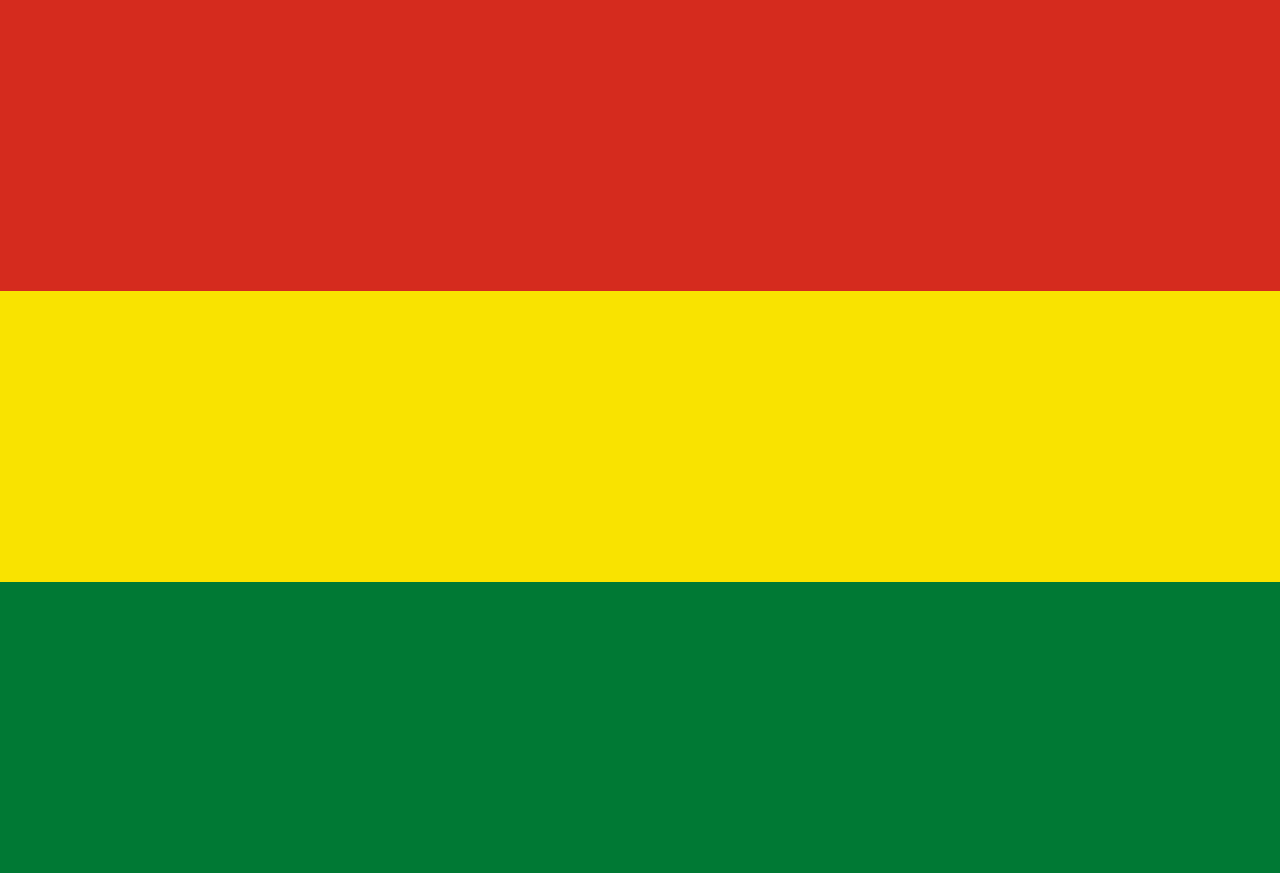

Bolivia
SUMMARY: Bolivia is a diverse, landlocked country in central South America, known for its rich cultural heritage, breathtaking geography, and complex history.
Overview
Bolivia is a country of contrasts, where the Andean highlands meet the Amazonian rainforest, and the tropical lowlands stretch as far as the eye can see. The country's geography is as varied as its climate, with snow-capped peaks, temperate valleys, and vast savannas. From the bustling streets of La Paz to the tranquil waters of Lake Titicaca, Bolivia is a land of vibrant culture, stunning landscapes, and resilient people. The country's name is derived from the Bolivian Empire, founded by the Spanish conquistador Pedro de Mendoza in 1538, which was later renamed after Simón Bolívar, the Venezuelan leader who fought for independence in the early 19th century.
Bolivia's history is a testament to its rich cultural heritage, with over 30 indigenous languages spoken across the country. The Aymara and Quechua peoples have lived in the Andean highlands for centuries, developing a unique culture that blends traditional practices with modern influences. The country's colonial past is evident in its architecture, with grand cathedrals, monasteries, and plazas that reflect the Spanish and Portuguese influences. Bolivia's natural resources are also a major draw, with vast deposits of lithium, tin, and silver, as well as an abundance of timber, minerals, and fossil fuels.
History/Background
Bolivia's history dates back to the pre-Columbian era, when the Inca Empire stretched across the Andean region. The Spanish conquest in the 16th century brought significant changes to the region, with the establishment of the Bolivian Empire and the introduction of Christianity. The country declared independence in 1825, but its early years were marked by conflict and instability. Bolivia's history is also marked by its struggles for social justice, with the country's indigenous peoples fighting for their rights and autonomy. The country's current constitution, adopted in 2009, recognizes the country's plurinational identity and guarantees the rights of its indigenous peoples.
Key Information
- Area: 1,098,581 square kilometers (424,162 sq mi)
- Population: approximately 11.8 million people
- Capital: La Paz (administrative capital), Sucre (constitutional capital)
- Largest city: Santa Cruz de la Sierra
- Language: Spanish (official), Aymara, Quechua, and over 30 indigenous languages
- Currency: Bolivian peso
- Economy: rich in natural resources, including lithium, tin, and silver
- Climate: varied, ranging from tropical to temperate and alpine
Significance
Bolivia's significance extends far beyond its borders, with its rich cultural heritage, stunning landscapes, and complex history making it a fascinating destination for travelers and scholars alike. The country's struggles for social justice and its commitment to preserving its indigenous languages and traditions make it a model for other countries in the region. Bolivia's natural resources also make it a key player in the global economy, with its lithium deposits being particularly significant for the development of electric vehicles and renewable energy.
INFOBOX:
- Name: Plurinational State of Bolivia
- Type: Country
- Date: 1825 (independence)
- Location: Central South America
- Known For: Rich cultural heritage, diverse geography, and complex history
TAGS: South America, Andes, Amazon, indigenous peoples, colonial history, natural resources, lithium, tin, silver, social justice, plurinational identity.


