




Overview
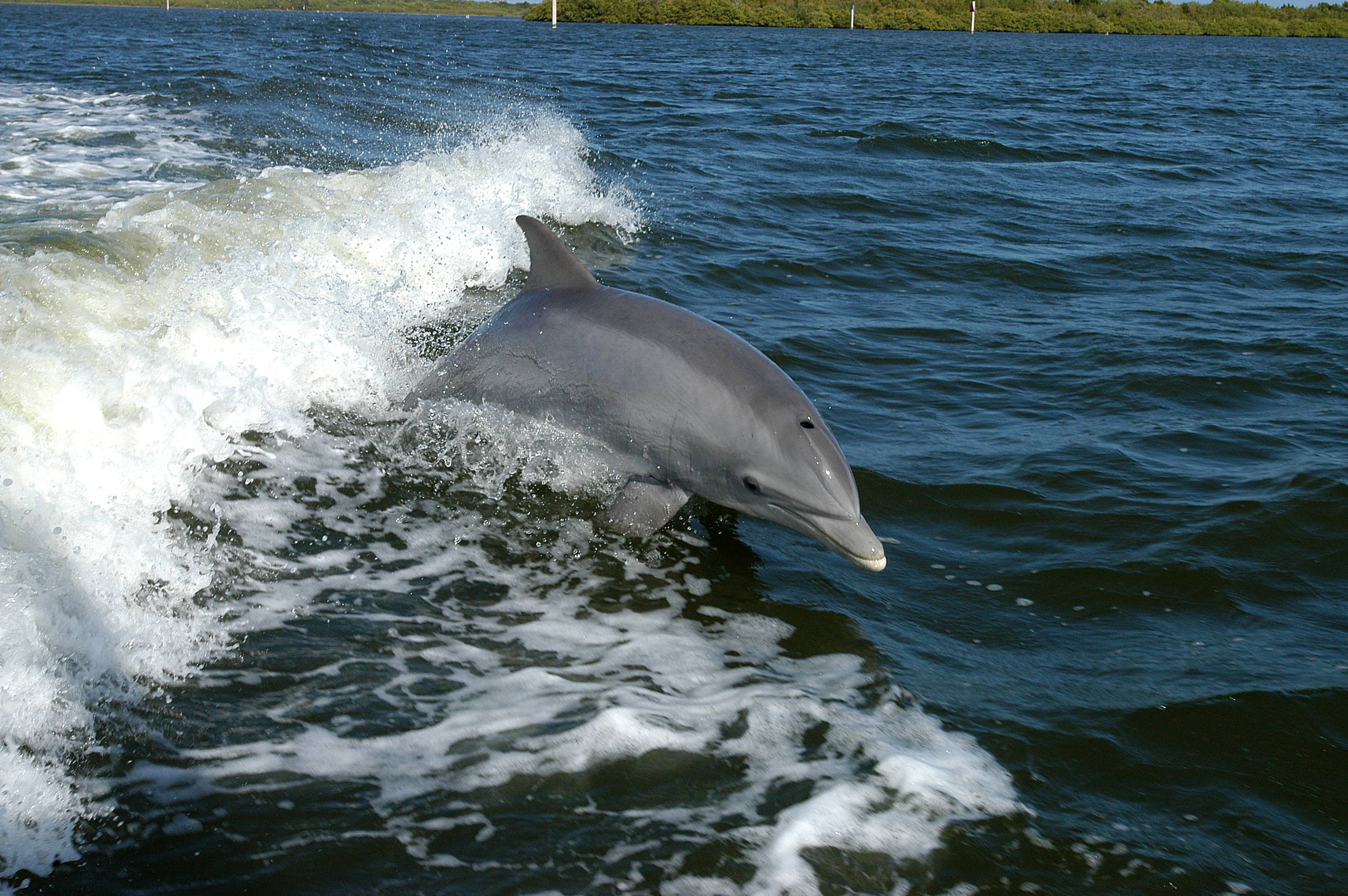
The bottlenose dolphin belongs to the family Delphinidae, the oceanic dolphins, and is classified within the genus Tursiops. Three species are now recognized by molecular genetics: the common bottlenose dolphin (Tursiops truncatus), the Indo‑Pacific bottlenose dolphin (Tursiops aduncus), and the recently described Tamanend’s bottlenose dolphin (Tursiops tamanendii). A fourth taxon, the Burrunan dolphin (Tursiops australis), oscillates between species and subspecies status, reflecting ongoing debate over genetic divergence and geographic isolation.These cetaceans thrive in warm and temperate seas across the globe, from the shallow bays of the Gulf of Mexico to the open waters off New Zealand. They are conspicuously absent only from the polar extremes of the Arctic and Antarctic circles, where water temperatures and ice cover exceed their physiological tolerances. Their common name derives from Latin: tursio (dolphin) and truncatus (truncated or shortened), a nod to the dolphin’s relatively blunt, “bottleneck” teeth compared with other toothed whales.
Bottlenose dolphins are apex predators, feeding on a varied diet of fish, squid, and crustaceans. Their echolocation system—high‑frequency clicks and whistles—allows them to hunt in turbid coastal waters and navigate complex reef structures. Socially, they form fluid, fission‑fusion groups that can range from a few individuals to several hundred, displaying sophisticated cooperation, cultural transmission of foraging techniques, and even tool use, such as sponge‑carrying observed in Shark Bay, Australia.
History/Background
Fossil evidence places the Tursiops lineage back to the Pliocene epoch, roughly 5 million years ago, when early delphinids began exploiting expanding coastal habitats. The first scientific description of the species was published by Georges Cuvier in 1806, who noted the animal’s “shortened teeth” and assigned the binomial Delphinus truncatus. Subsequent taxonomic revisions moved the dolphin into its own genus, Tursiops, in 1865.The 20th century saw a surge in marine research, with the bottlenose dolphin becoming a model organism for studies of cognition, communication, and marine mammal physiology. Landmark milestones include the 1960s “Dolphin Research Center” experiments that demonstrated self‑recognition in mirrors, and the 1990s discovery of distinct vocal dialects among regional populations, underscoring cultural diversity within the species. In 2011, genetic analyses using mitochondrial DNA clarified the three‑species split, prompting revisions to conservation status assessments worldwide.
Key Information
- Scientific name: Tursiops spp. (commonly T. truncatus, T. aduncus, T. tamanendii) - Size: Adults range 2–4 m in length; weight varies from 150 kg to over 650 kg. - Lifespan: Typically 40–50 years in the wild; some individuals exceed 60 years. - Distribution: Cosmopolitan in temperate and tropical oceans; absent only from polar circles. - Diet: Opportunistic carnivores; primary prey includes sardines, herring, mackerel, and cephalopods. - Reproduction: Gestation lasts ~12 months; calves are born tail‑first, nursing for 12–18 months. - Social structure: Fluid pods with fission‑fusion dynamics; strong mother‑calf bonds and cooperative hunting. - Conservation status: T. truncatus listed as “Least Concern” by the IUCN, but regional populations face threats from habitat degradation, by‑catch, pollution, and acoustic disturbance. - Human interaction: Frequently featured in ecotourism, marine education, and therapeutic programs; also subject to fisheries interactions and occasional captivity controversies.Significance
The bottlenose dolphin serves as a sentinel species, reflecting the health of coastal ecosystems. Their reliance on clear acoustic channels makes them especially vulnerable to noise pollution from shipping, seismic surveys, and naval exercises, providing a measurable indicator of anthropogenic impact. Conservation initiatives—such as the establishment of marine protected areas (MPAs) in the Mediterranean and the Gulf of Mexico—often prioritize bottlenose dolphin habitats to safeguard broader biodiversity.Beyond ecological importance, these dolphins captivate public imagination, fostering a deep cultural connection that fuels marine stewardship. Their intelligence and charismatic behavior have inspired countless documentaries, scientific outreach programs, and even legal debates over personhood rights. By studying their social learning and cognitive flexibility, researchers gain insights applicable to broader questions of animal consciousness, ecosystem resilience, and the evolutionary pathways that shape complex societies.


