




Overview
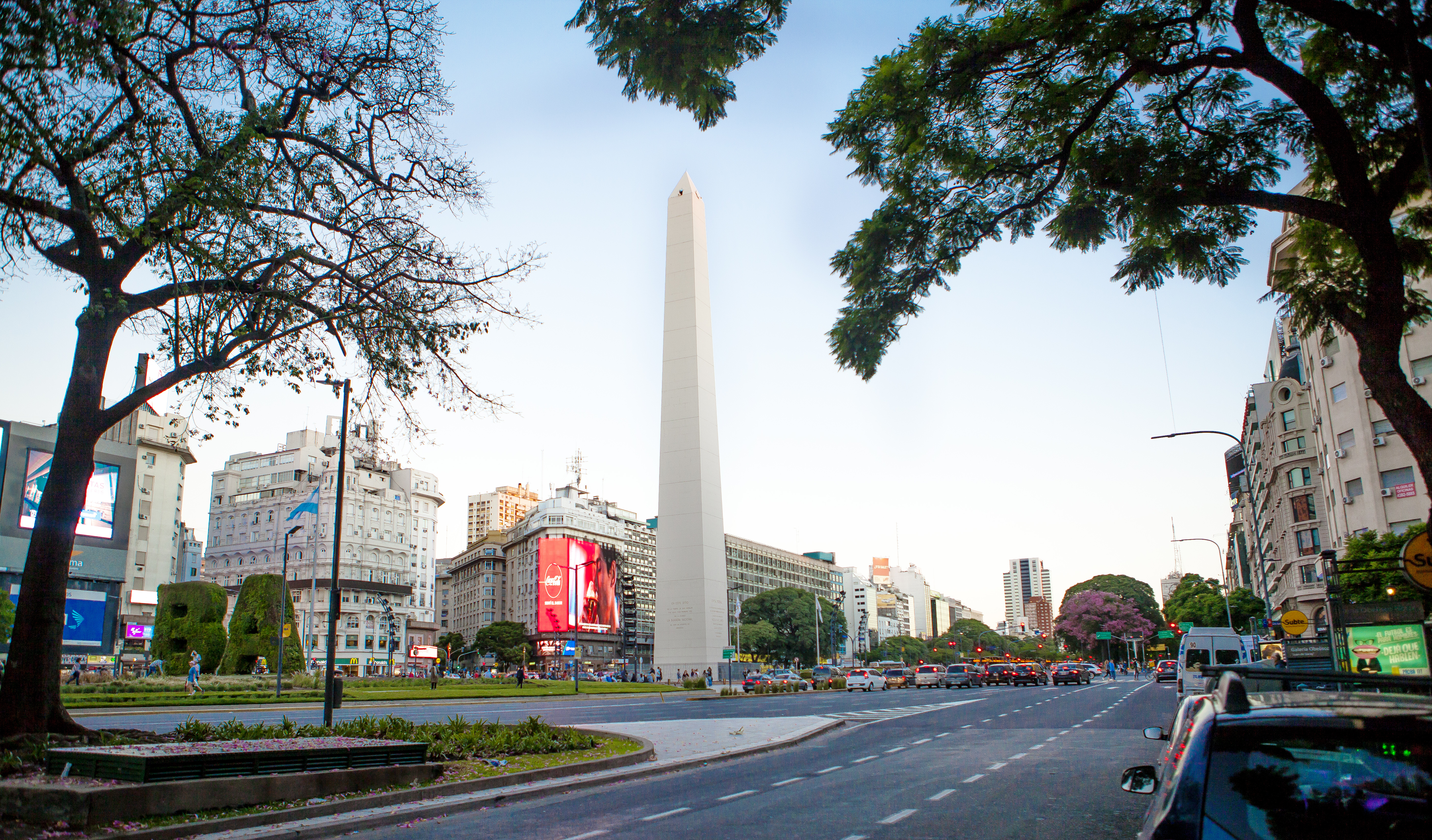
Buenos Aires, the Autonomous City of Buenos Aires, is a bustling metropolis that embodies the essence of Argentina. Located on the southwest of the Río de la Plata, the city is a treasure trove of European and Latin American influences. As the largest city in Argentina, Buenos Aires is a hub of culture, art, music, and cuisine, attracting millions of visitors each year. The city's eclectic mix of colonial, Art Nouveau, and modern architecture creates a visually stunning landscape, with grand boulevards, picturesque plazas, and ornate buildings. From the vibrant streets of La Boca to the elegant neighborhoods of Recoleta, Buenos Aires is a city that pulsates with energy and life.
Buenos Aires is a city of contrasts, where European grandeur meets Latin American passion. The city's residents, known as porteños, are famous for their warm hospitality and love of life. They take pride in their city's rich cultural heritage, which is reflected in its many museums, galleries, and performance venues. From tango music to football (soccer), Buenos Aires is a city that lives and breathes its passions. Whether you're exploring the city's historic neighborhoods, sampling its delicious cuisine, or simply soaking up the atmosphere, Buenos Aires is a city that will leave you with unforgettable memories.
History/Background
Buenos Aires has a rich and complex history that spans over 400 years. Founded in 1536 by Spanish conquistador Pedro de Mendoza, the city was initially a small settlement on the banks of the Río de la Plata. Over the centuries, Buenos Aires grew into a major port city, attracting immigrants from all over Europe and Latin America. In the 19th century, the city became a major center of culture and politics, with the likes of Eva Perón and Che Guevara playing significant roles in its history. Buenos Aires was also a key player in the country's struggle for independence, with the city's residents playing a crucial role in the fight against Spanish rule.
Key Information
- Population: The city proper has a population of 3.1 million, while the urban area has a population of 16.7 million.
- Area: The city covers an area of 203 square kilometers (78.4 square miles).
- Language: Spanish is the official language, but many porteños also speak English, Italian, and other languages.
- Currency: The Argentine peso is the official currency.
- Climate: Buenos Aires has a humid subtropical climate, with mild winters and hot, humid summers.
- Economy: Buenos Aires is a major economic hub, with a strong focus on finance, commerce, and industry.
- Culture: Buenos Aires is known for its rich cultural heritage, with a strong emphasis on music, dance, and art.
- Sports: Football (soccer) is the most popular sport in Buenos Aires, with the city's teams, such as Boca Juniors and River Plate, being among the most successful in the country.
Significance
Buenos Aires is a city of immense cultural and economic significance, not just for Argentina but for the world. As a global city, Buenos Aires is a hub of international trade, finance, and culture, attracting visitors and businesses from all over the globe. The city's rich cultural heritage, stunning architecture, and passionate residents make it a unique and unforgettable destination. From its vibrant streets to its elegant neighborhoods, Buenos Aires is a city that embodies the spirit of Argentina and the Latin American region.


