



**
Overview
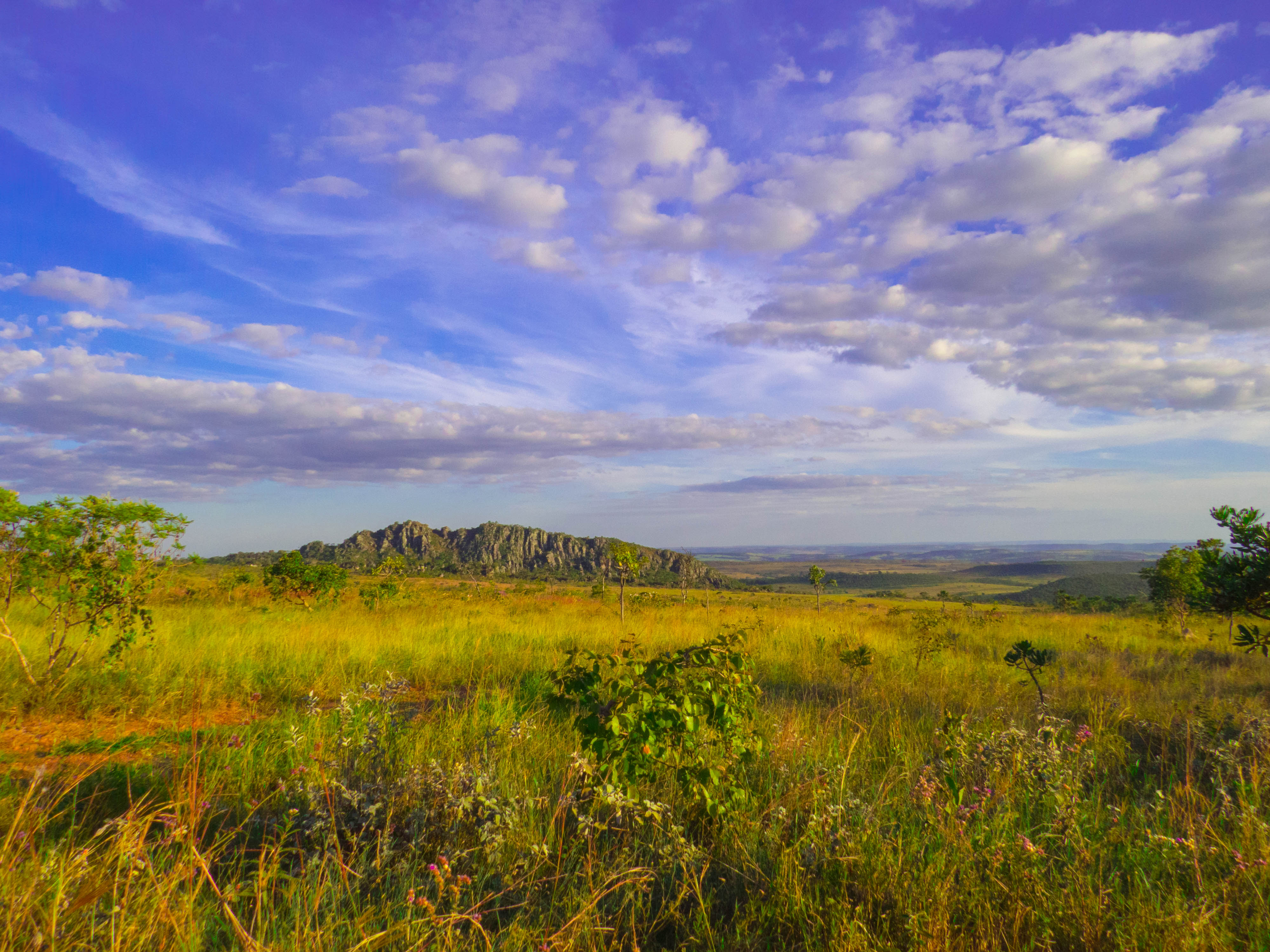
The Cerrado stretches across more than 2 million km² of Brazil’s interior, making it the country’s second‑largest biome after the Amazon rainforest. It occupies the Brazilian Highlands (Planalto), a gently undulating plateau that rises between 300 m and 1 500 m above sea level. Within its borders lie the states of Goiás, Mato Grosso do Sul, Mato Grosso, Tocantins, Maranhão, Piauí, Bahia, Minas Gerais, São Paulo, Paraná, and the Federal District. The landscape is a patchwork of forest savanna, wooded savanna, park savanna, and gramineous‑woody savanna, interspersed with seasonal wetlands and ribbon‑like gallery forests that cling to rivers and streams.Ecologically, the Cerrado is a transition zone between the Amazon rainforest to the north and the Pantanal wetlands to the southwest. Its soils are typically acidic, low in nutrients, and rich in aluminum, conditions that have driven the evolution of a uniquely adapted flora. Over 12 000 plant species have been recorded, many of them endemic and equipped with deep root systems, thick bark, and fire‑resistant traits. The fauna is equally diverse, hosting iconic mammals such as the maned wolf, giant armadillo, and jaguar, as well as more than 800 bird species, countless reptiles, and a staggering array of insects.
Human presence in the Cerrado dates back thousands of years, but the region’s modern identity is shaped by agriculture, mining, and urban expansion. Its fertile soils, once considered marginal, have been transformed by soybean, corn, and cattle production, turning the biome into a global food‑production engine. Yet this economic boom has come at a steep ecological cost, with estimates that over 50 % of the original vegetation has been lost since the 1970s.
History/Background
The term “Cerrado” derives from the Portuguese word for “closed” or “dense vegetation,” a reference to the thick, interwoven grasses and shrubs that dominate the landscape. Paleo‑environmental studies suggest that the Cerrado emerged approximately 5 million years ago during the Miocene, when the uplift of the Brazilian Plateau altered regional climate patterns, fostering a drier, fire‑prone environment. This long‑term isolation allowed a distinct evolutionary radiation of plants and animals, many of which are found nowhere else on Earth.European colonizers first encountered the Cerrado in the 16th century, but its harsh climate and poor soils discouraged early settlement. It was not until the late 19th century, with the construction of railroads and the advent of mechanized agriculture, that the interior began to open up. The mid‑20th century marked a turning point: the Brazilian government launched the “Plano de Integração Nacional” (National Integration Plan) and later the “Programa de Desenvolvimento da Integração Nacional”, incentivizing large‑scale soy and cattle ranching. By the 1970s, the Cerrado became the focus of a massive colonization and agribusiness push, leading to rapid deforestation and habitat fragmentation.
Conservation awareness grew in the 1990s, spurred by scientific reports highlighting the biome’s unparalleled biodiversity and its role in carbon storage. In 2000, the Brazilian Ministry of the Environment established the Cerrado Biosphere Reserve, a UNESCO‑designated area aimed at balancing sustainable development with ecological protection. Despite these efforts, the region remains under intense pressure, with ongoing debates over land use, indigenous rights, and climate policy.
Key Information
- Area: ~2.04 million km² (≈ 22 % of Brazil’s land surface). - Population: Approximately 30 million people live within the Cerrado’s boundaries, including major urban centers such as Brasília, Goiânia, and Cuiabá. - Habitat Types: Forest savanna, wooded savanna, park savanna, gramineous‑woody savanna, seasonal wetlands, and gallery forests. - Biodiversity: > 12 000 plant species (≈ 30 % endemic), > 1 000 vertebrate species, and countless invertebrates; home to endemic genera like Cerradoa (plants) and Cerradomys (rodents). - Economic Output: Produces roughly 40 % of Brazil’s soybeans and 30 % of its corn, making it a cornerstone of the global grain market. - Threats: Deforestation (≈ 50 % loss), fire regime alteration, invasive species, mining (especially nickel and gold), and climate change‑induced droughts. - Conservation: Over 200 protected areas, including national parks (e.g., Serra da Canastra, Chapada dos Veadeiros) and ecological stations; ongoing restoration projects aim to reconnect fragmented habitats.Significance
The Cerrado’s importance transcends its borders. Ecologically, it functions as a “water tower” for South America, feeding major river basins such as the Paraná, São Francisco, and Tocantins. Its deep-rooted vegetation regulates water flow, mitigates floods, and sustains downstream agriculture and hydroelectric power. Biologically, the biome is a global biodiversity hotspot, harboring species that contribute to scientific research, medicine, and ecosystem services like pollination.Economically, the Cerrado underpins Brazil’s status as a leading agribusiness exporter, feeding a growing global population. However, this productivity is a double‑edged sword: unsustainable land conversion threatens carbon sequestration, accelerates climate change, and erodes cultural heritage of indigenous and traditional communities who have stewarded the land for centuries.
The Cerrado also serves as a living laboratory for studying fire ecology, savanna dynamics, and the impacts of large‑scale agriculture on tropical ecosystems. Lessons learned here inform conservation strategies worldwide, especially in other savanna regions facing similar development pressures. Protecting the Cerrado is therefore not only a national priority but a global imperative for biodiversity preservation, climate stability, and food security.
INFOBOX:
- Name: Cerrado (Brazilian Tropical Savanna)
- Type: Ecoregion / Biome
- Date: Formed ~5 million years ago (Miocene)
- Location: Central Brazil – Goiás, Mato Grosso do Sul, Mato Grosso, Tocantins, Maranhão, Piauí, Bahia, Minas Gerais, São Paulo, Paraná, Federal District
- Known For: Biodiversity hotspot, major agricultural producer, critical water source for South America
TAGS: Brazil, Savanna, Biodiversity, Agriculture, Conservation, Ecosystem Services, Climate Change, Indigenous Peoples


