




Overview
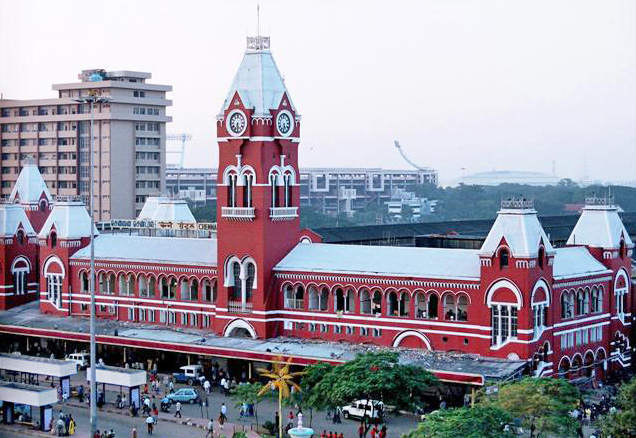
Chennai, formerly known as Madras, is a city that seamlessly blends tradition and modernity. With its rich history dating back to the 17th century, Chennai has evolved into a thriving metropolis that is home to over 10 million people. The city's strategic location on the Coromandel Coast of the Bay of Bengal has made it a significant hub for trade, commerce, and culture. Chennai's unique blend of Dravidian and European architectural styles, its vibrant street food scene, and its world-renowned music and dance traditions make it a fascinating destination for travelers and a source of pride for its citizens.
As the capital of Tamil Nadu, Chennai is the economic, cultural, and educational hub of the state. The city is home to several prestigious educational institutions, including the Indian Institute of Technology (IIT) Madras, the Anna University, and the Madras Medical College. Chennai's economy is driven by the automotive, IT, and healthcare sectors, making it one of the fastest-growing cities in India. The city's cultural scene is thriving, with numerous museums, art galleries, and performance venues that showcase the rich cultural heritage of Tamil Nadu.
History/Background
Chennai's history dates back to the 17th century, when the British East India Company established a trading post on the Coromandel Coast. The city was founded in 1639 by the British, who named it Madras. Over the centuries, Chennai has been ruled by various empires, including the Pallavas, the Cholas, and the Vijayanagara Empire. In 1688, the British East India Company established the first municipal corporation in India, which is now known as the Greater Chennai Corporation. Chennai played a significant role in the Indian independence movement, with several key figures, including Mahatma Gandhi and Subhas Chandra Bose, visiting the city during the freedom struggle.
Key Information
- Population: Chennai has a population of over 10 million people, making it the sixth-most populous city in India.
- Area: The city covers an area of approximately 426 square kilometers.
- Economy: Chennai's economy is driven by the automotive, IT, and healthcare sectors.
- Education: Chennai is home to several prestigious educational institutions, including the Indian Institute of Technology (IIT) Madras and the Anna University.
- Culture: Chennai is known for its vibrant music and dance traditions, including the Bharatanatyam and the Carnatic music.
- Infrastructure: Chennai has a well-developed transportation network, including an international airport, a major port, and a comprehensive public transportation system.
Significance
Chennai's significance extends beyond its economic and cultural importance. The city has played a significant role in India's independence movement and has been a hub for social and political activism. Chennai's cultural heritage is a source of pride for its citizens, and the city's unique blend of tradition and modernity makes it a fascinating destination for travelers. The city's economic growth has had a positive impact on the state of Tamil Nadu, making it one of the fastest-growing states in India.


