Confederalism
Confederalism is a system of government where a group of sovereign states or chiefdoms join together for specific purposes, such as defense, foreign relations, or economic cooperation, while maintaining their independence and autonomy.
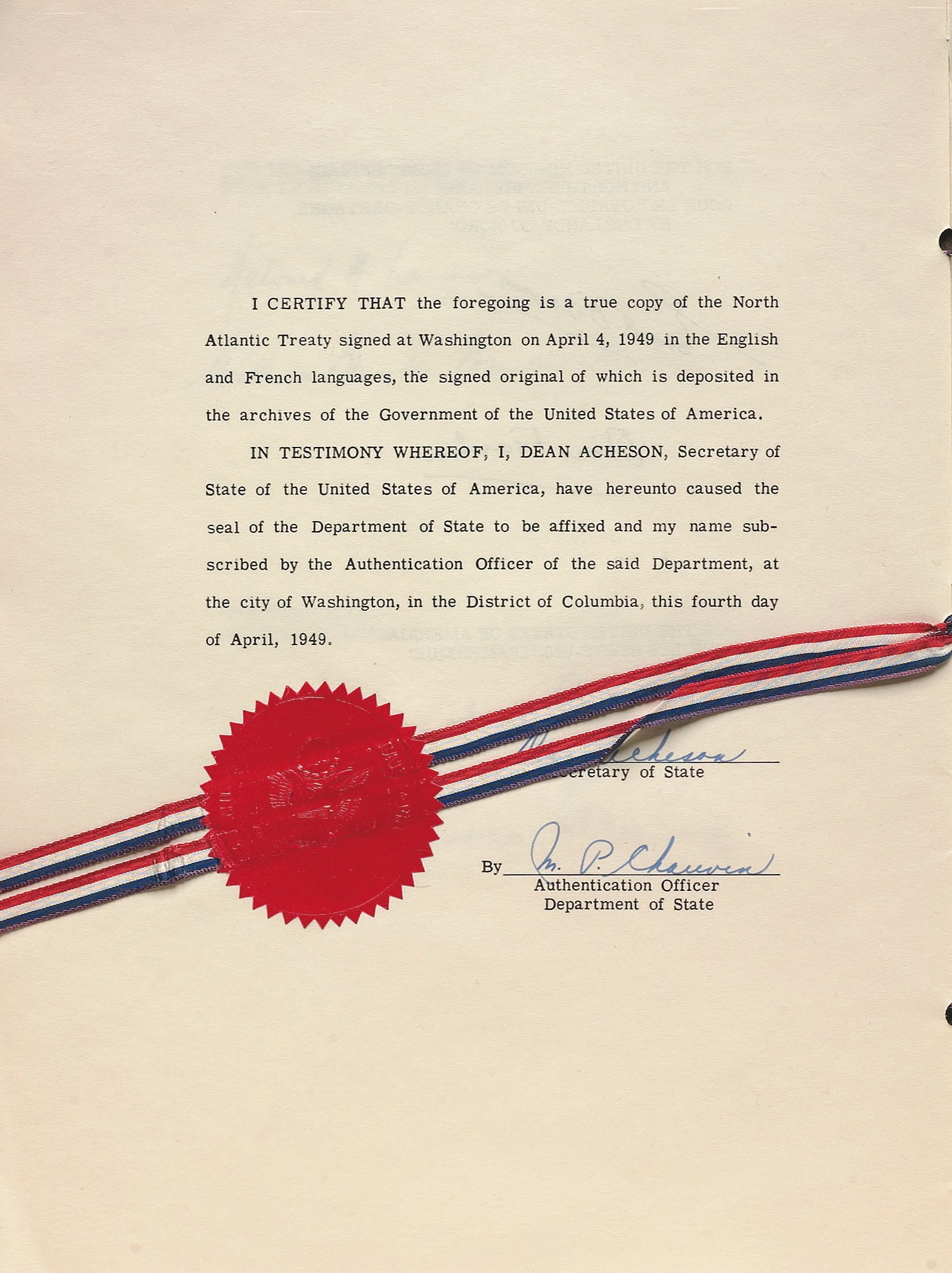
Confederations are typically formed by a treaty or agreement between the member states, which outlines the terms and conditions of their cooperation. The central government of a confederation usually has limited powers and is responsible for providing support and coordination to its member states. Confederalism is a form of intergovernmentalism, which emphasizes the interaction between states on the basis of sovereign independence and government.
Confederations have been used throughout history to address various challenges and opportunities, such as trade, security, and cultural exchange. They can be found in different regions and contexts, from ancient civilizations to modern-day international organizations. Confederalism offers a unique approach to governance, balancing the need for cooperation and coordination with the desire for independence and self-governance.
History of Confederalism
The concept of confederalism dates back to ancient times, with examples such as the ancient Greek city-states and the Roman Republic. In modern times, confederations have been established in various parts of the world, including the United States, Switzerland, and the European Union. Each of these confederations has its own unique characteristics and challenges, reflecting the diverse needs and interests of its member states.
Ancient Confederations
One of the earliest examples of a confederation is the ancient Greek city-states, which formed the Delian League in the 5th century BCE. The Delian League was a loose alliance of city-states that aimed to counter the threat of the Persian Empire. Another example is the Roman Republic, which was a confederation of city-states that eventually expanded to become a vast empire.
Modern Confederations
In modern times, confederations have been established in various parts of the world. One of the most well-known examples is the United States, which was formed as a confederation of 13 colonies in 1776. The Articles of Confederation, which governed the United States from 1781 to 1789, were a classic example of a confederation. Another example is Switzerland, which has been a confederation of cantons since the 13th century.
European Union
The European Union (EU) is a modern-day confederation of 27 member states that aim to promote economic and political cooperation. The EU was established in 1993 and has since become one of the most powerful economic and political blocs in the world. The EU's system of governance is based on a confederal model, with member states retaining significant autonomy and decision-making power.
Mechanism of Confederalism
Confederations typically operate through a system of representation, where member states are represented in a central governing body. This body may be a council, a parliament, or a committee, and its powers and responsibilities are outlined in a constitution or treaty. The central government of a confederation usually has limited powers and is responsible for providing support and coordination to its member states.
Decision-Making Process
The decision-making process in a confederation is often based on consensus or majority voting. Member states may have different levels of representation and voting power, depending on their size, population, or economic contributions. The central government may also have the power to make decisions on behalf of the member states, but this is usually subject to certain limitations and constraints.
Dispute Resolution
Confederations often have mechanisms for resolving disputes between member states. This may involve arbitration, mediation, or other forms of conflict resolution. The central government may also have the power to impose sanctions or other penalties on member states that fail to comply with the terms of the confederation.
Applications of Confederalism
Confederations have been used in a variety of contexts, from ancient times to modern-day international organizations. They offer a unique approach to governance, balancing the need for cooperation and coordination with the desire for independence and self-governance.
International Organizations
Confederations have been used in international organizations such as the United Nations, the International Monetary Fund, and the World Trade Organization. These organizations bring together countries from around the world to address global challenges and opportunities.
Regional Organizations
Confederations have also been used in regional organizations such as the European Union, the African Union, and the Association of Southeast Asian Nations (ASEAN). These organizations aim to promote economic and political cooperation among member states.
Local Governments
Confederations have also been used in local governments, such as city-states or municipalities. These confederations may be formed to address specific challenges or opportunities, such as transportation, public health, or economic development.
INFOBOX:
- Name: Confederalism
- Type: System of government
- Date: Ancient times to present
- Location: Global
- Known For: Balancing cooperation and independence
TAGS: Confederation, Intergovernmentalism, System of government, International relations, Regional organizations, Local governments, Decision-making process, Dispute resolution, Global governance, Economic cooperation