**
Overview
Constitutional law governs the highest legal framework of a nation, setting out how the executive, legislature, and judiciary are created, how they interact, and what they may or may not do. It establishes the supreme authority of a written or unwritten constitution, making any law that conflicts with it void. In democratic societies, constitutional law also enumerates civil liberties—such as freedom of speech, religion, and due process—providing citizens with a legal shield against governmental overreach.
In federal systems like the United States, Canada, India, and Germany, constitutional law further delineates the relationship between the central (federal) government and sub‑national units (states, provinces, territories). This division of authority, often called federalism, allocates certain powers exclusively to the national government, reserves others for the sub‑national entities, and sometimes shares responsibilities. The courts, especially constitutional or supreme courts, act as the ultimate interpreters, applying doctrines such as judicial review to ensure that all branches respect the constitutional order.
History/Background
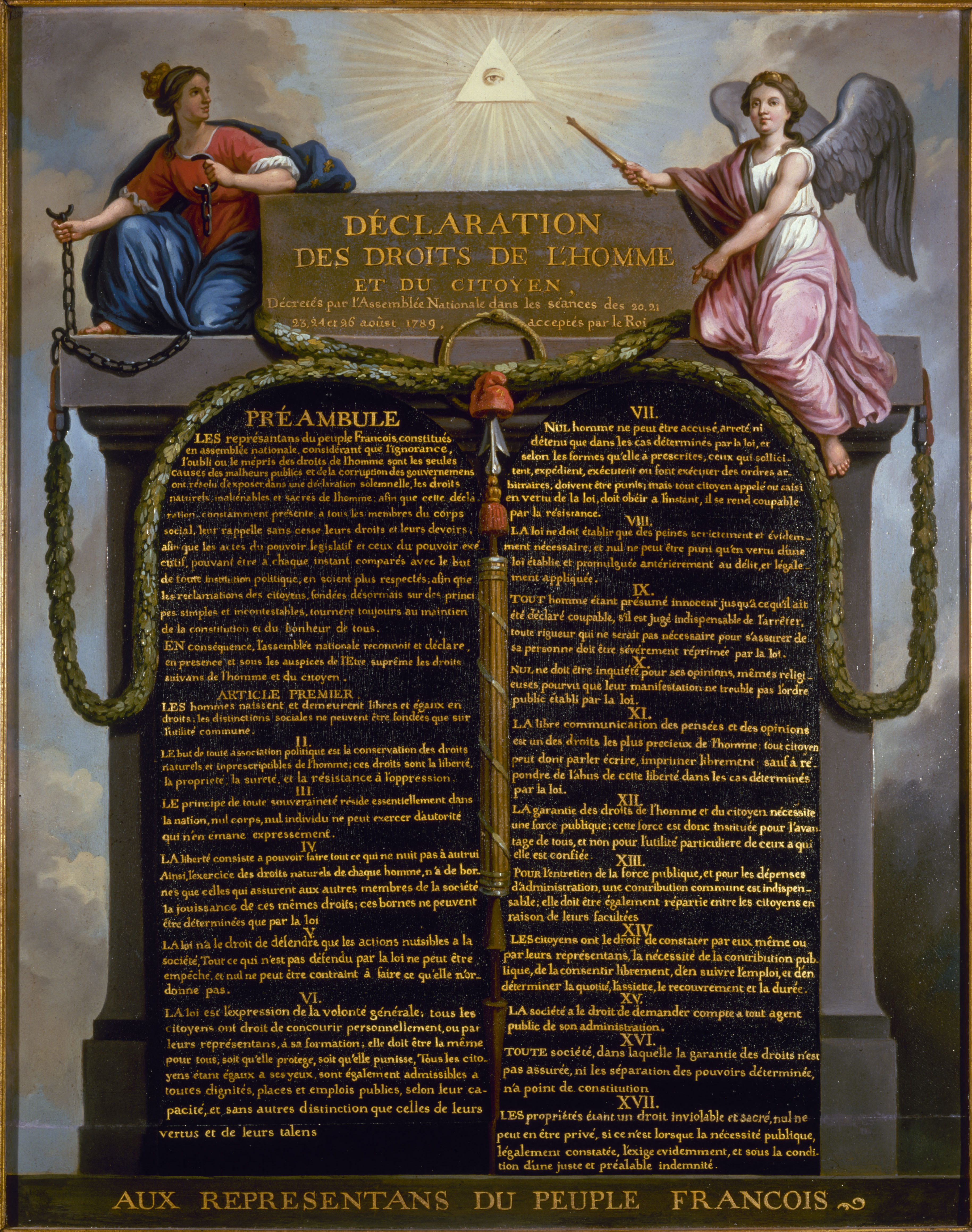
The modern concept of constitutional law emerged in the late 17th and 18th centuries with the rise of written constitutions that limited monarchical power. The English Bill of Rights (1689) and the U.S. Constitution (1787) are seminal documents that introduced the idea of a supreme legal charter. The French Declaration of the Rights of Man and of the Citizen (1789) spread the notion of individual rights as constitutional guarantees.Throughout the 19th century, constitutionalism spread to Latin America, Asia, and Africa, often accompanying independence movements. The Canadian Constitution Act (1867) created a federal structure, while the Indian Constitution (1950) became the world’s longest written constitution, embedding extensive social and economic rights. The 20th century saw the expansion of human rights provisions within constitutions, influenced by the Universal Declaration of Human Rights (1948) and later regional treaties. In the United States, the Brown v. Board of Education (1954) decision marked a turning point for judicial enforcement of equality clauses, and the Marbury v. Madison (1803) case established the principle of judicial review that underpins constitutional adjudication worldwide.
Key Information
- Supremacy Clause: Most constitutions contain a clause stating that the constitution is the supreme law, rendering conflicting statutes invalid. - Separation of Powers: The division of government into three branches to prevent concentration of authority. - Judicial Review: Courts’ power to invalidate laws and executive actions that violate the constitution; originated in Marbury v. Madison. - Federalism: Allocation of powers between central and sub‑national governments; includes exclusive, concurrent, and residual powers. - Bill of Rights / Charter: Sections dedicated to protecting fundamental freedoms, due process, and equality. - Amendment Procedures: Mechanisms for constitutional change, ranging from rigid (U.S. amendment process) to flexible (UK’s uncodified constitution). - Constitutional Courts: Specialized tribunals (e.g., Germany’s Federal Constitutional Court) that focus exclusively on constitutional questions. - Doctrine of Implied Rights: Courts may infer rights not explicitly listed, as seen in U.S. substantive due process jurisprudence.Significance
Constitutional law shapes the political culture of a nation by defining the limits of governmental power and safeguarding individual liberties. It provides a stable yet adaptable framework that can evolve through amendments, judicial interpretation, and societal consensus. In federations, constitutional law balances unity with regional diversity, enabling varied policies while maintaining national cohesion. The doctrine of judicial review ensures that the rule of law prevails over arbitrary rule, fostering accountability and public confidence in institutions. Moreover, constitutional guarantees often serve as a benchmark for international human‑rights standards, influencing treaty obligations and comparative constitutional scholarship. In crises—such as emergencies, wars, or pandemics—constitutional provisions guide the permissible scope of executive action, thereby protecting democratic order.INFOBOX:
- Name: Constitutional Law
- Type: Legal Doctrine / Body of Law
- Date: Originating in the late 17th century (e.g., 1689 English Bill of Rights)
- Location: Global (applies within sovereign states and federations)
- Known For: Defining governmental structure, limiting state power, and protecting fundamental rights
TAGS: constitutional law, separation of powers, judicial review, federalism, civil liberties, supreme court, amendment process, human rights