Overview
Contract law is the body of law that regulates agreements creating enforceable rights and obligations among two or more parties. At its core, a contract is a promise—or a set of promises—by which one party agrees to transfer goods, services, money, or a future performance to another, and the other party reciprocates with a corresponding consideration. The essential elements of a valid contract include offer, acceptance, consideration, capacity, and legality. When these elements coalesce, the parties are said to have consented to a legally enforceable arrangement, and the contract becomes a tool for predictability in commercial and personal transactions.If a party fails to fulfill its contractual duties, a breach of contract occurs. The injured party may pursue judicial remedies such as monetary damages designed to put them in the position they would have occupied had performance occurred. In certain circumstances, courts may grant equitable remedies—including specific performance, which orders the breaching party to carry out the promised act, or rescission, which voids the contract and restores the parties to their pre‑contractual status. While domestic contract law varies by jurisdiction, many legal systems share common principles derived from common law, civil law, and international conventions.
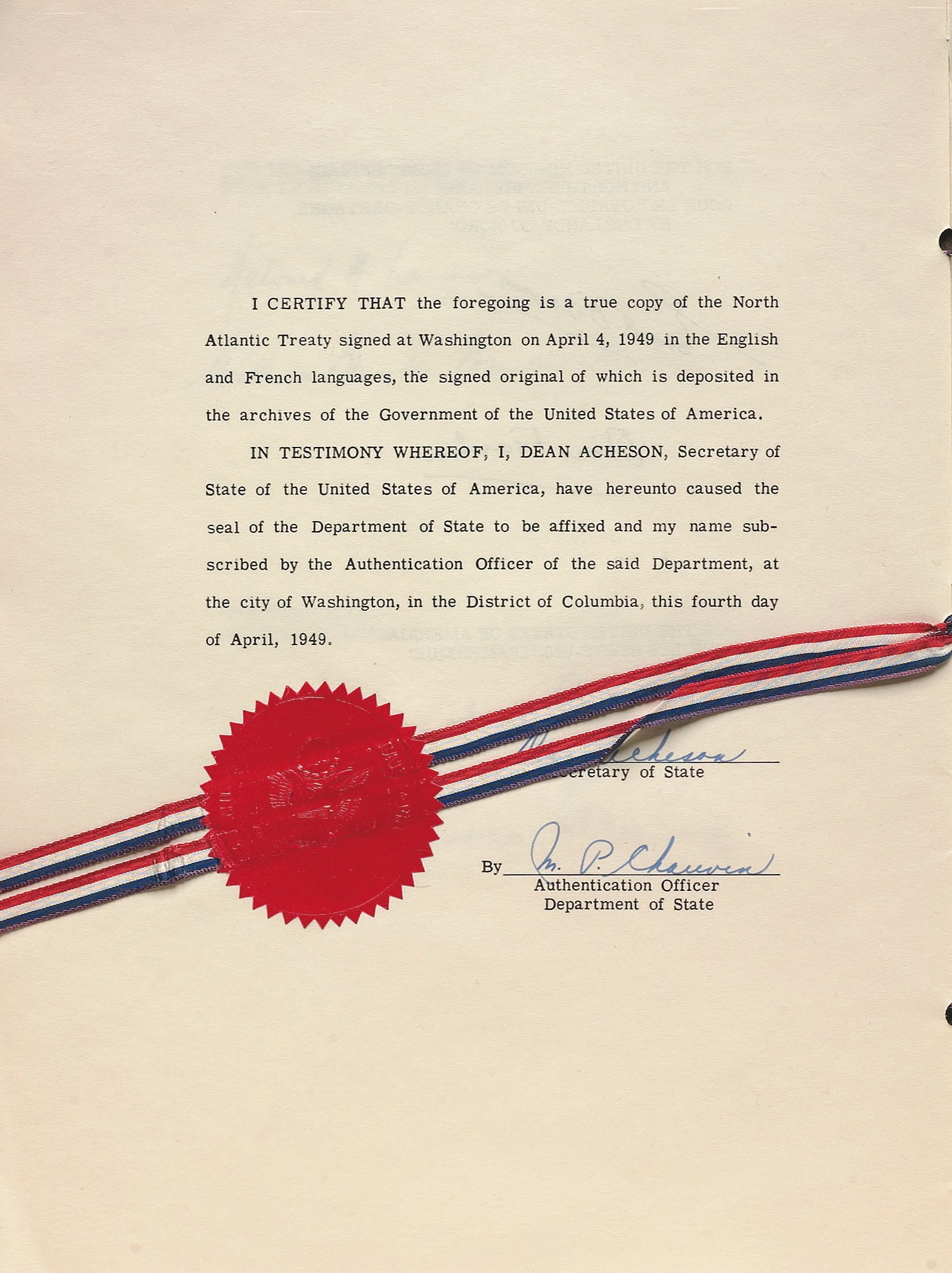
The concept of a binding agreement extends beyond private law. In the realm of international law, a comparable instrument is a treaty, a formal accord between sovereign states that creates rights and obligations enforceable under international legal regimes.
History/Background
The roots of contract law trace back to ancient civilizations, where oral and written pacts regulated trade and labor. In Roman law, the doctrine of consensus ad idem (meeting of the minds) laid early groundwork for modern contract theory. The medieval period saw the emergence of lex mercatoria, a body of merchant customs that filled gaps left by feudal law. The English common law tradition crystallized key doctrines during the 16th and 17th centuries, notably through cases such as Coutts v. Jacobs (1605) and Carter v. Boehm (1766), which articulated principles of consideration and good faith.The 19th century ushered in codification efforts, most prominently the German Civil Code (BGB) of 1900 and the French Civil Code (1804), both of which systematized contract rules for continental Europe. In the United States, the Uniform Commercial Code (UCC), first published in 1952, standardized contract provisions for the sale of goods across states. Internationally, the United Nations Convention on Contracts for the International Sale of Goods (CISG), effective 1980, created a uniform framework for cross‑border commercial contracts.