




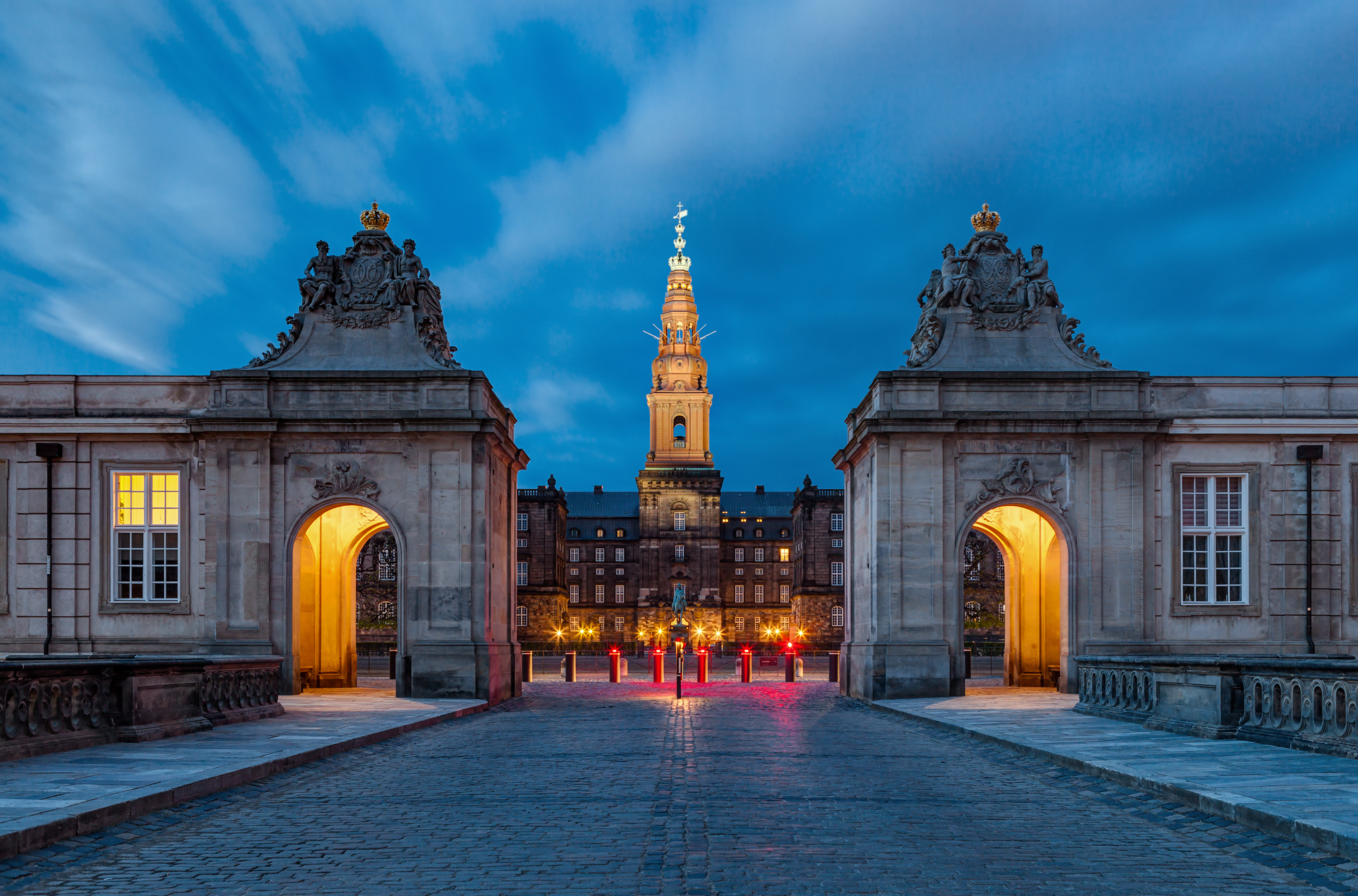
Copenhagen
SUMMARY: Copenhagen is the vibrant capital city of Denmark, known for its stunning architecture, rich history, and cultural significance, making it a must-visit destination for travelers and a hub for international business and innovation.
Overview
Copenhagen, the capital and largest city of Denmark, is a treasure trove of history, culture, and natural beauty. Located on the island of Zealand (Sjælland), with a smaller part on the island of Amager, Copenhagen is situated on the eastern coast of Denmark, overlooking the Øresund Strait. This strategic location has made Copenhagen a significant trading hub and a gateway to the Baltic region. The city's unique blend of medieval charm, modern architecture, and innovative spirit has earned it a reputation as one of the world's most livable cities.
Copenhagen's picturesque streets, canals, and harbor are lined with historic buildings, including the iconic Tivoli Gardens, the world's second-oldest operating amusement park. The city's vibrant cultural scene is reflected in its numerous museums, galleries, and performance venues, showcasing the works of local and international artists. From the stunning architecture of the Nyhavn harbor to the bustling streets of the Vesterbro neighborhood, Copenhagen is a city that seamlessly blends tradition and innovation.
History/Background
Copenhagen's history dates back to the 10th century, when it was a small fishing village called Havn. The city's strategic location made it an attractive target for Viking raids, and it was eventually fortified by the Danish king, Harald Bluetooth, in the 10th century. Over the centuries, Copenhagen grew in importance, becoming a major trading center and a hub for the Hanseatic League, a powerful mercantile and cultural organization that dominated the Baltic region.
In the 17th century, Copenhagen became the capital of Denmark, and the city underwent significant transformations, including the construction of the iconic Rosenborg Castle and the establishment of the University of Copenhagen, one of the oldest universities in Europe. During World War II, Copenhagen was occupied by German forces, and the city played a significant role in the Danish resistance movement.
Key Information
- Population: 667,000 people in the municipality and 1.4 million in the urban area.
- Area: 88.16 km² (34.03 sq mi).
- Language: Danish (official), English (widely spoken).
- Currency: Danish krone (DKK).
- Climate: Temperate maritime climate, with mild winters and cool summers.
- Economy: Service-oriented economy, with a strong focus on finance, technology, and innovation.
- Transportation: Copenhagen is connected to the rest of Europe by the Øresund Bridge, which spans the Øresund Strait and connects the city to Malmö, Sweden.
Significance
Copenhagen's significance extends far beyond its status as the capital of Denmark. The city is a hub for international business and innovation, with a strong focus on sustainable development, renewable energy, and green technology. Copenhagen is home to the headquarters of the United Nations' Climate Change Secretariat and has been recognized as one of the world's most sustainable cities.
The city's cultural significance is also noteworthy, with a rich history of artistic and literary innovation. Copenhagen is home to the famous Tivoli Gardens, the world's second-oldest operating amusement park, and the Copenhagen Opera House, one of the world's most modern and technologically advanced opera houses.
INFOBOX:
- Name: Copenhagen
- Type: Capital city
- Date: Founded in the 10th century
- Location: Zealand (Sjælland) and Amager islands, Denmark
- Known For: Sustainable development, innovation, cultural significance, and stunning architecture
TAGS: Capital city, Denmark, Sustainable development, Innovation, Cultural significance, Architecture, History, Tourism, Business.


