




Overview
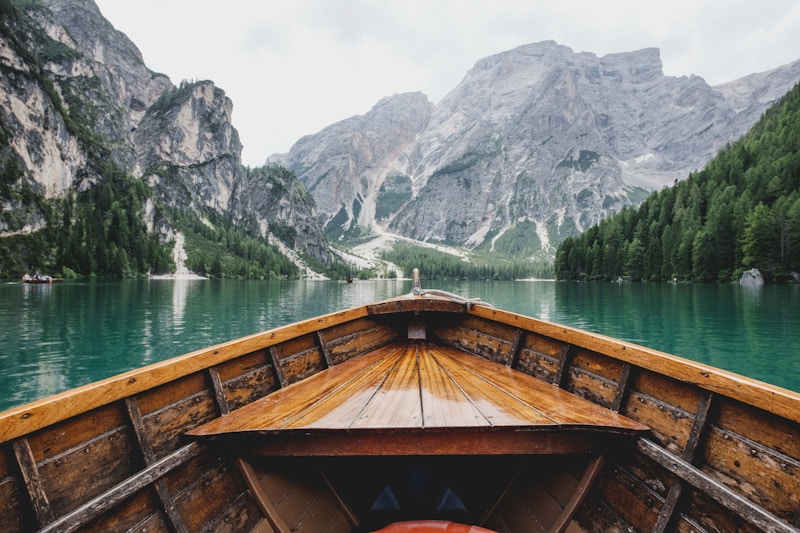
Bhutan is a country nestled in the eastern Himalayas, bordered by India and China. It is a small, landlocked nation with a population of approximately 771,608 people (2020 estimates). The country's terrain is characterized by rugged mountains, dense forests, and fertile valleys. Bhutan is a constitutional monarchy, with a unique approach to development that prioritizes the well-being of its citizens and the environment. The country has a rich cultural heritage, with a strong emphasis on Buddhism and traditional practices.
Bhutan's capital city is Thimphu, which is home to many government institutions, cultural attractions, and historical sites. The city is known for its vibrant markets, traditional architecture, and stunning views of the surrounding mountains. Bhutan is also home to several other important cities, including Paro, Punakha, and Wangdue Phodrang.
The country's economy is primarily based on agriculture, with crops such as rice, maize, and potatoes being major contributors. Tourism is also an important sector, with visitors drawn to Bhutan's stunning natural beauty, rich culture, and unique approach to development. The country's government has implemented a "high-value, low-impact" tourism policy, which aims to attract high-spending tourists while minimizing the impact on the environment and local communities.
History/Background
Bhutan has a long and complex history, with evidence of human habitation dating back to the Stone Age. The country's early history is marked by the arrival of Buddhism, which had a profound impact on the development of Bhutanese culture and society. In the 17th century, Bhutan was unified under a single ruler, with the establishment of the Wangchuck dynasty. The country's modern history is marked by its relationship with neighboring India and China, as well as its efforts to maintain its independence and sovereignty.
In the 20th century, Bhutan underwent significant modernization and development, with the introduction of education, healthcare, and infrastructure. The country's fourth king, Jigme Singye Wangchuck, played a key role in this process, introducing policies aimed at improving the well-being of Bhutanese citizens and promoting sustainable development. In 2008, Bhutan transitioned to a constitutional monarchy, with the introduction of a new constitution that enshrines the country's unique approach to development and governance.
Key Information
* Population: approximately 771,608 people (2020 estimates)
* Area: 38,394 square kilometers
* Capital city: Thimphu
* Language: Dzongkha (official), English (widely spoken)
* Currency: Bhutanese ngultrum (BTN)
* Major crops: rice, maize, potatoes
* Major industries: agriculture, tourism
* Famous landmarks: Paro Taktsang (Tiger's Nest Monastery), Punakha Dzong (Punakha Fortress), Thimphu Chorten (Thimphu Stupa)
Significance
Bhutan's unique approach to development has made it a model for other countries seeking to balance economic growth with environmental and social sustainability. The country's commitment to Gross National Happiness (GNH), a measure of well-being that prioritizes the happiness and satisfaction of citizens, has been recognized internationally as a innovative and effective approach to development.
Bhutan's cultural heritage is also significant, with a rich tradition of Buddhism and traditional practices that are unique to the country. The country's stunning natural beauty, with its rugged mountains, dense forests, and fertile valleys, makes it a popular destination for tourists and nature lovers.


