




Overview
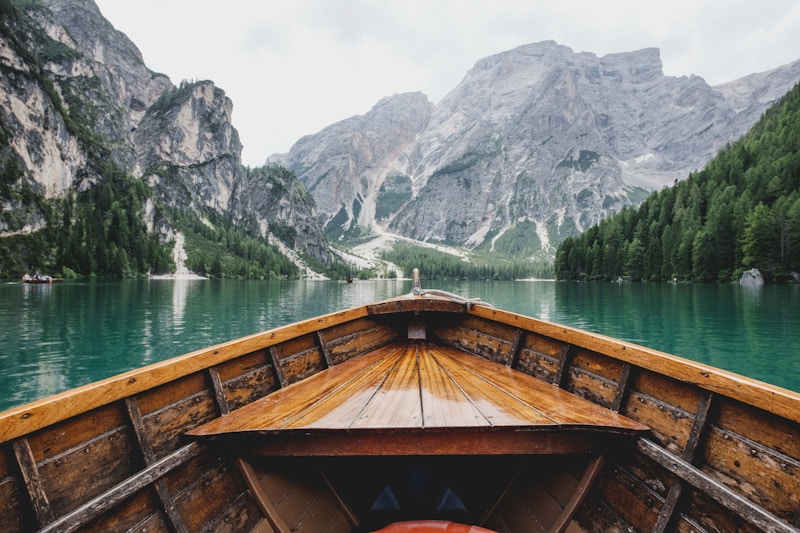
Bhutan, officially known as the Kingdom of Bhutan, is a small, landlocked country located in the Himalayas between India and China. With a population of approximately 771,608 people (2020 estimates), Bhutan is one of the least densely populated countries in the world. The country's unique approach to development, prioritizing Gross National Happiness over economic growth, has made it a fascinating case study for scholars and policymakers worldwide. Bhutan's stunning natural beauty, with towering mountains, lush forests, and pristine rivers, has also made it a popular destination for eco-tourists and adventure seekers.
Bhutan's culture is a rich blend of Buddhist and Tibetan influences, with a strong emphasis on spirituality and community. The country's capital, Thimphu, is a charming city with a mix of traditional and modern architecture, while the ancient city of Punakha is home to the majestic Punakha Dzong, a UNESCO World Heritage Site. Bhutan's unique culture and stunning natural beauty make it a must-visit destination for anyone interested in exploring the unspoiled beauty of the Himalayas.
History/Background
Bhutan's history dates back to the 8th century, when the country was first inhabited by the Lhotsampa people, a subgroup of the Tibetan people. In the 17th century, Bhutan was unified under a single ruler, Ngawang Namgyal, who is credited with establishing the country's unique approach to development, prioritizing Gross National Happiness over economic growth. Bhutan's strategic location between India and China has made it a key player in regional politics, with the country maintaining a policy of neutrality throughout its history.
In 1910, Bhutan signed the Treaty of Punakha with Britain, which established the country's borders and recognized Bhutan's sovereignty. After gaining independence from Britain in 1949, Bhutan began to modernize its economy and infrastructure, while maintaining its unique approach to development. In 2008, Bhutan became a constitutional monarchy, with Jigme Singye Wangchuck as the country's first king.
Key Information
* Capital: Thimphu
* Population: approximately 771,608 people (2020 estimates)
* Area: 38,394 square kilometers (14,824 square miles)
* Language: Dzongkha (official), Nepali, and English
* Currency: Bhutanese ngultrum (BTN)
* Religion: Buddhism (official)
* Economy: Agriculture, hydroelectric power, and tourism
* GDP (nominal): $2.5 billion (2020 estimates)
Bhutan is known for its unique approach to development, prioritizing Gross National Happiness over economic growth. The country's GDP is calculated based on a unique set of indicators, including Gross National Happiness, which takes into account factors such as life expectancy, education, and environmental sustainability.
Significance
Bhutan's unique approach to development has made it a fascinating case study for scholars and policymakers worldwide. The country's prioritization of Gross National Happiness over economic growth has led to a high level of sustainable development, with minimal environmental degradation and a strong emphasis on community well-being. Bhutan's stunning natural beauty, with towering mountains, lush forests, and pristine rivers, has also made it a popular destination for eco-tourists and adventure seekers.


